Pragmatism, Integrity, Passion

Pragmatism, Integrity, Passion

Do you struggle with pipes failing under high pressure? Broken pipelines cost your project time and money. I will show you how an alloy steel pipe solves these tough problems. An alloy steel pipe is a strong tube made of carbon steel mixed with elements like chromium and molybdenum. It offers high strength, extreme temperature resistance, and strong corrosion resistance. Builders use it for high-pressure boilers and oil lines to ensure long-lasting project safety.
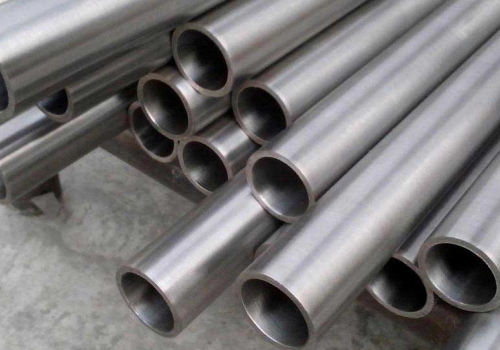
You might think all steel pipes do the exact same job. But choosing the wrong pipe can ruin your whole pipeline system. Let us look closer at how to pick the perfect pipe for your engineering needs.
Are you confused by seamless and welded pipe options? Picking the wrong process wastes your budget. I can help you understand the differences to make the right choice. An alloy steel pipe comes in two main forms. Factories make seamless pipes from one solid piece for ultra-high pressure. Factories make welded pipes from joined steel plates. This welded form offers a cheaper solution for medium-pressure and large-diameter needs.
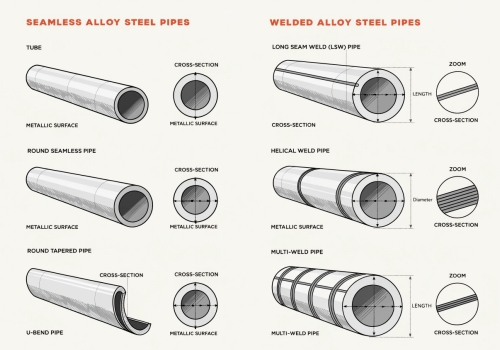
Now, let us look at the manufacturing process. You must understand how factories make these pipes. This knowledge helps you as a purchasing manager. You can save project costs while you keep high quality.
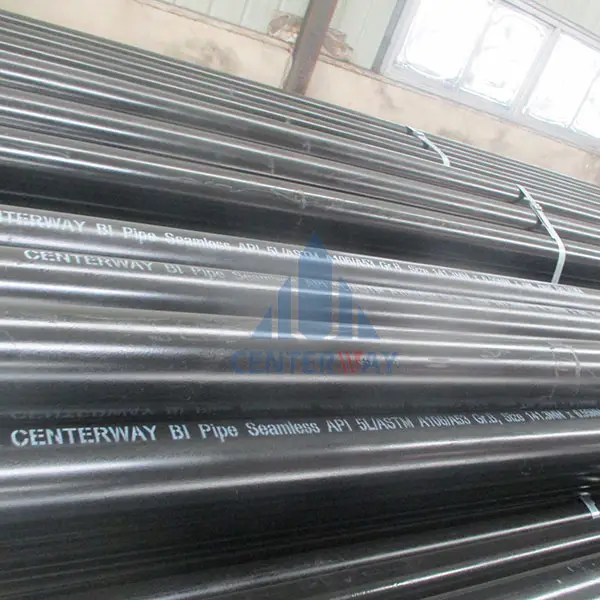
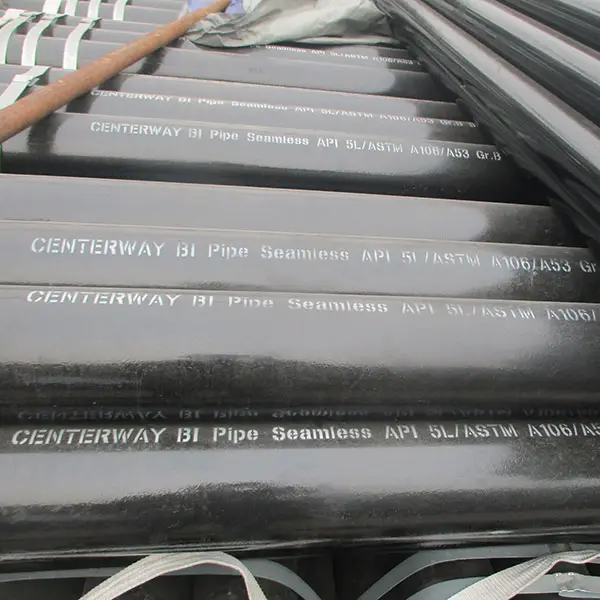
Factories make seamless pipes through hot rolling, cold rolling, or cold drawing. The pipe has no weak points. It has no weld seam. This integral shape gives the pipe stronger pressure-bearing capacity. I always recommend seamless pipes for ultra-high pressure areas. They cost more. But they provide top safety. You can use seamless pipes in oil drilling. You can use them in nuclear power plants. You can also use them for high-temperature superheaters.
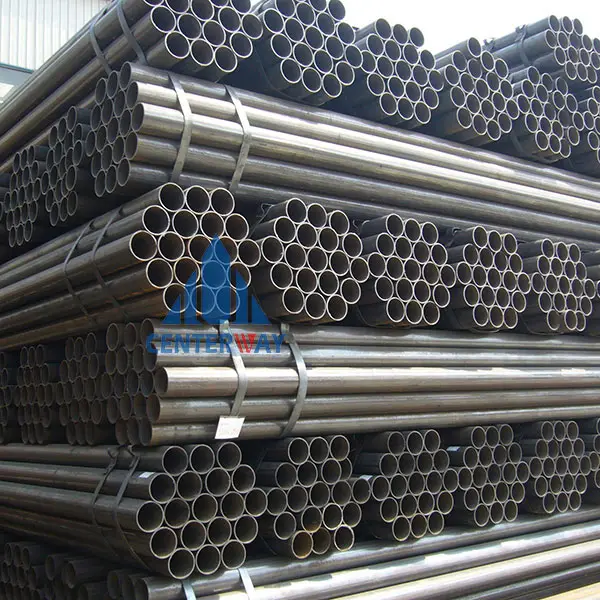
Factories make welded pipes from alloy steel plates. They use high-frequency welding. They can also use submerged arc welding. This process is cheaper. It is also faster. Welded pipes suit low-pressure environments. They work well when you need large-diameter pipes fast. You can use welded pipes for building scaffolding. You can use them for simple liquid transport.
| Feature | Seamless Pipe | Welded Pipe |
|---|---|---|
| Production Method | Hot rolling, cold drawing | Plate welding |
| Pressure Limit | Ultra-high pressure | Low to medium pressure |
| Cost | High | Low |
| Best Size | Small diameter, thick wall | Large diameter, thin wall |
You must weigh the pressure needs against your budget. Welded pipes can sometimes replace seamless pipes. But you must demand strict factory tests first.
Does your pipeline suffer from rust or extreme heat? Ordinary carbon steel fails in these harsh places. I will show you how special alloy elements protect your pipe system. The strength of an alloy steel pipe comes from adding elements like chromium, nickel, and molybdenum to carbon steel. These added materials give the pipe extreme temperature resistance and strong acid resistance. This makes the pipes highly durable and completely recyclable for future use.
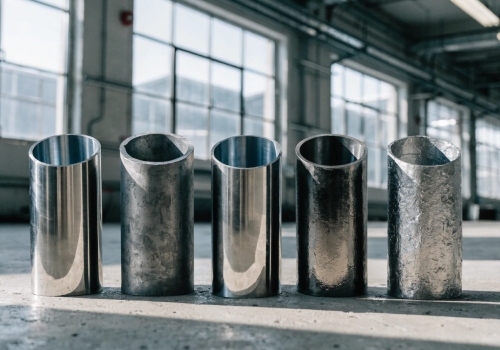
You need to know the specific materials. This helps you match the pipe to your project needs. I will explain the common types.
Factories add different elements to get different results.
· Nickel-based Alloys: Grades like Inconel 600 resist strong acids. You use them in chemical engineering.
· Stainless Steel Alloys: Grades like 304 and 316L offer high strength. They also stop rust. You use them for seawater treatment.
· Low-Temperature Alloys: Grades like 9Ni steel stay strong in extreme cold. You use them for liquid natural gas tanks.
You must check the tensile strength. You must check the yield strength. Here is a quick table for common grades.
| Standard | Grade | Tensile Strength (MPa) | Yield Strength (MPa) |
|---|---|---|---|
| GB5310 | 20G | 410 - 550 | ≥245 |
| GB5310 | 15CrMoG | 440 - 640 | ≥235 |
| ASME SA210 | SA210C | ≥485 | ≥275 |
| ASME SA213 | SA213 T91 | ≥585 | ≥415 |
Are you struggling to find a reliable supplier for your EPC company? Delivery delays and poor quality ruin project reputations. I will teach you how to source the best pipes easily. You choose an alloy steel pipe based on the exact temperature and pressure needs. You must check certifications like ASTM or GB. You should also find a one-stop integrated supplier to handle production and sales to save your time.
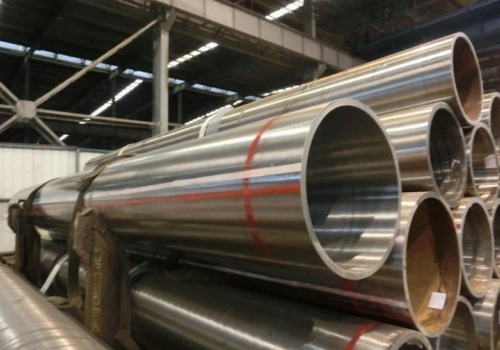
I have worked in the pipeline industry for many years. I know what an EPC purchasing manager needs. You need high-quality pipes. You need to save money. You need a simple sourcing process.
First, you must define the clear purpose. If your project has acid, you must select stainless grades. If your project has harsh gases, you must buy resistant pipes. Second, you must look at the process needs. Choose seamless pipes for high-pressure areas. Consider welded pipes for low-pressure parts. This choice saves money. Third, you must ask for test reports. Always check the warranty. Demand flaw detection testing.
You face many challenges in construction projects. You must talk to engineers. You must find the best materials. We at Centerway Steel can help you solve these problems. We have served global customers since 1996. We integrate production, inventory, and sales. We are your reliable one-stop supplier.
| Why Choose Us | Benefit to Your Project |
|---|---|
| One-stop service | Saves sourcing time |
| First-class production | Meets high-precision needs |
| ISO and CE certified | Ensures safe quality |
| Global experience | Smooth delivery process |
An alloy steel pipe offers unbeatable strength and safety for your harsh environments. Choosing the right material and a reliable supplier like Centerway Steel ensures your project succeeds easily.



 English
 Español