Pragmatism, Integrity, Passion

Pragmatism, Integrity, Passion

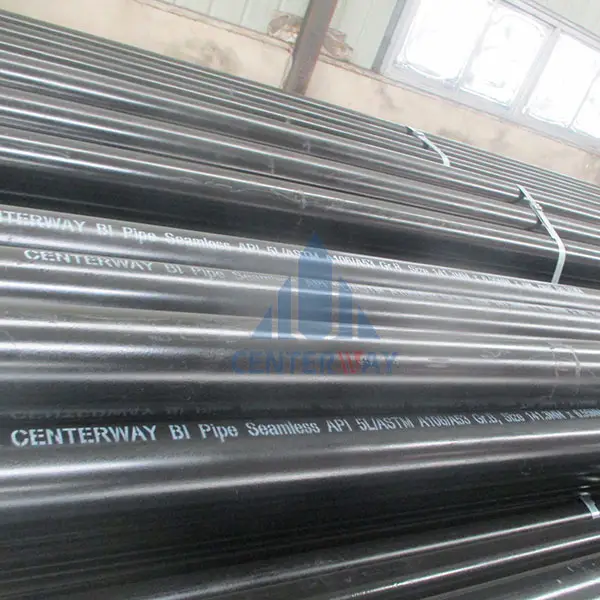
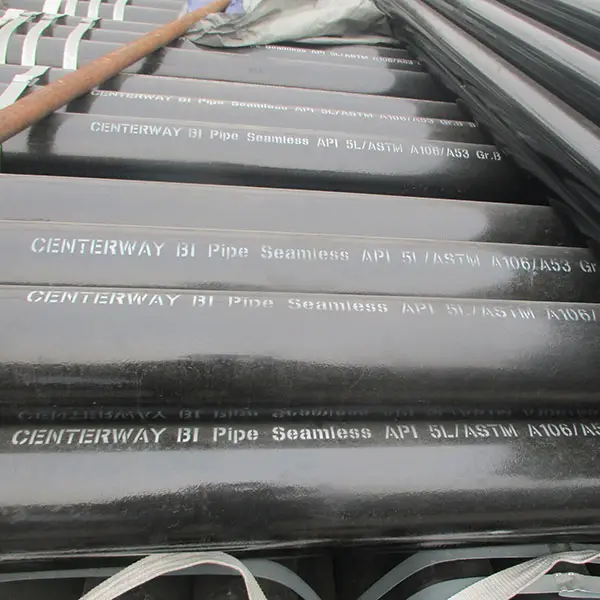
Deep well drilling often brings high pressure and costly failures. You need a strong material to prevent collapse. We offer the perfect solution for your next heavy-duty project. The api 5ct p110 casing pipe acts as a high-strength steel tube for oil and gas drilling. It delivers a minimum yield strength of 110,000 psi. We supply this exact grade to support deep wells where standard pipes simply break under extreme crushing forces.
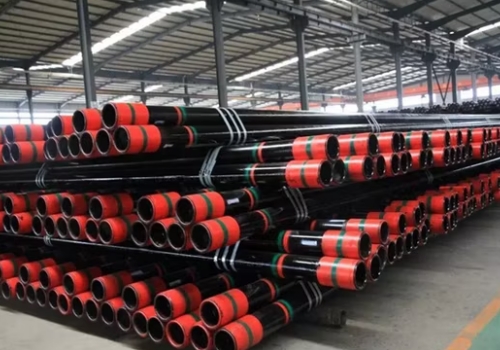
You might wonder if this specific grade fits your current site requirements. Let us explore the core features that keep you ahead of your project deadlines and stop you from looking at weak alternatives.
Weak pipes crack under high pressure, wasting your time and money. You want a robust pipe that handles extreme stress. This grade gives you unmatched strength and reliability. This pipe stands out because it packs massive yield strength and a smart chemical makeup. We apply a strict quenching process during production. This specific treatment gives the steel a perfect balance of toughness and strength for the harshest underground environments.
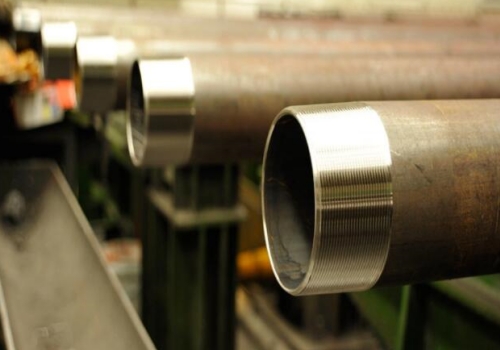
We know you need hard facts to make a solid purchasing choice. The performance of this casing pipe comes directly from its chemical build and mechanical limits. I remember a project last year. A client faced severe collapse issues in a 4,000-meter deep well. We replaced their standard pipes with our P110 grade. Their failure rate dropped to absolute zero. This success comes from the exact control of carbon, manganese, chromium, and molybdenum in the steel structure. Our team ensures that every batch passes rigorous testing. We refuse to compromise on quality because we know the stakes are incredibly high for your operations.
You must look at the exact numbers. The table below shows the strict limits we follow to ensure every single pipe meets the global standard.
| Feature | Value Range |
|---|---|
| Minimum yield strength | 110,000 psi (758 MPa) |
| Maximum yield strength | 140,000 psi (965 MPa) |
| Minimum tensile strength | 125,000 psi (862 MPa) |
| Maximum hardness | 32 HRC |
| Carbon content | 0.26% to 0.35% |
| Manganese content | 1.20% to 1.60% |
· Saves money compared to thicker, lower-grade pipes.
· Supports cold drawing and heat treatments easily.
Choosing the wrong steel grade ruins your entire budget. You feel stressed when balancing cost and safety. Comparing the options clears up your buying decision immediately. P110 offers nearly forty percent more strength than N80. It allows you to use thinner walls for deep wells, which saves weight and cost. However, unlike L80, it does not resist hydrogen sulfide. You must pick the right grade based strictly on your specific well conditions.
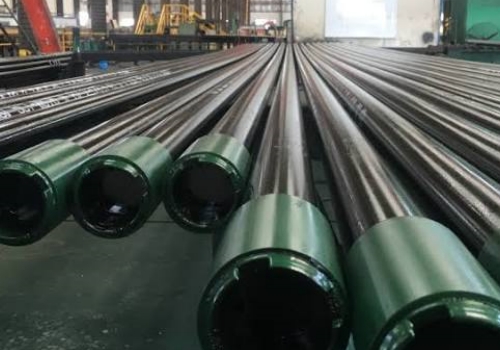
Many buyers ask me if they can just use a thicker N80 pipe instead of upgrading to P110. I always advise against this bad idea. Adding thickness to an N80 pipe adds massive weight to your total string. It also shrinks the inner diameter of the pipe. This shrinkage limits your daily production flow. Our project data shows that using a thin-walled P110 solution reduces total material costs by up to fifteen percent on deep well projects. You also save a lot of money on transportation and handling fees when you choose a lighter, stronger pipe option.
You need a clear view of how these materials stack up against each other. Review this simple breakdown.
| Steel Grade | Strength Level | Sulfur Resistance | Best Use Case |
|---|---|---|---|
| N80 | Normal (80,000 psi) | No | Shallow to medium wells |
| L80 | Normal (80,000 psi) | Yes | Sour gas environments |
| P110 | High (110,000 psi) | No | Deep and high-pressure wells |
· Test the drilling environment for hydrogen sulfide (H2S).
· Choose P110 only for sweet, high-pressure wells.
· Select L80 or T95 if sour gas exists.
Ignoring material limits causes dangerous blowouts. You hate dealing with project delays due to cracked pipes. Understanding these risks keeps your site safe and productive. The biggest risk with this pipe involves its extreme vulnerability to hydrogen sulfide stress cracking. You must never use it in acidic environments. Additionally, you need to monitor the hardness levels carefully. High hardness increases brittleness, leading to sudden failures under heavy loads. We always warn our clients about the specific limits of high-strength steel. P110 brings incredible power to your site, but you must respect its strict boundaries. If the carbon content goes over 0.35 percent, the pipe becomes very hard to weld. It will crack easily during installation. We strictly control our manufacturing process to keep the hardness safely below 32 HRC. I recently helped a customer avoid a huge mistake. They almost ordered P110 for a well containing sulfur. We switched their order to a proper sulfur-resistant grade. This quick catch saved them from a guaranteed well failure. We always prioritize your safety over a quick sale, so we ask detailed questions about your site before we ship anything.
We see this casing perform best in a few specific areas. It works wonders when you apply it correctly.
· Handles large-scale hydraulic fracturing as production casing.
· Protects well integrity through shifting salt-gypsum layers.
· Pick the exact thread type based on your pressure needs.
· Apply the correct thread compound to avoid dangerous leaks.
· Tighten connections using computer-controlled tongs for exact torque.
· Test the joint integrity before you lower the string.
Finding quick answers saves your valuable time. You feel stuck when technical details remain unclear. We gathered the most common queries to help you move forward. Here we address your most pressing concerns regarding pipe connections, sand control, and environmental limits. These direct answers will help you handle and deploy your casing materials safely and efficiently on your next big site. We hear these questions every single day from buyers just like you. Our team wants you to feel completely confident before you finalize any purchase order. Let us look at the details.
Q: Can I use this casing pipe in a sour gas well?
A: No. This steel grade lacks resistance to hydrogen sulfide. You must use sulfur-resistant grades like L80 or T95 in acidic environments.
Q: How do we connect these pipes securely?
A: You mainly use threaded connections. You must match the thread type to your engineering standards. We always recommend applying the exact torque specified by the manufacturer. This strict practice ensures a perfect seal every time.
Q: How do you reduce sand erosion on the pipe?
A: We suggest using high-precision punching technology. Better hole designs on the filter sections significantly reduce the harsh impact of sand on the pipe walls.
Q: Why should we avoid buying the cheapest casing available?
A: Underground stress behaves unpredictably. Cheap pipes often feature poor hardness control or weak yield strength. A sudden collapse will halt your production instantly. It will cost you much more than the initial savings. Quality always pays off in deep operations.
This api 5ct p110 casing pipe delivers top-tier strength for sweet, high-pressure wells. Contact Centerway Steel today to order your reliable pipes and secure your next big project.



 English
 Español