Pragmatism, Integrity, Passion

Pragmatism, Integrity, Passion

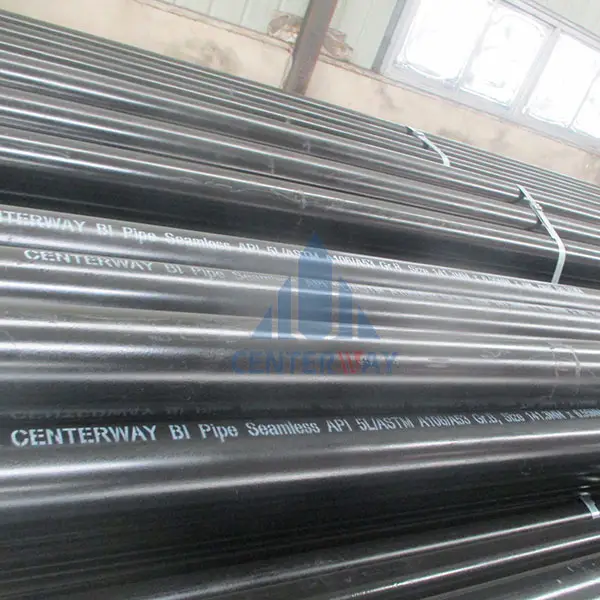
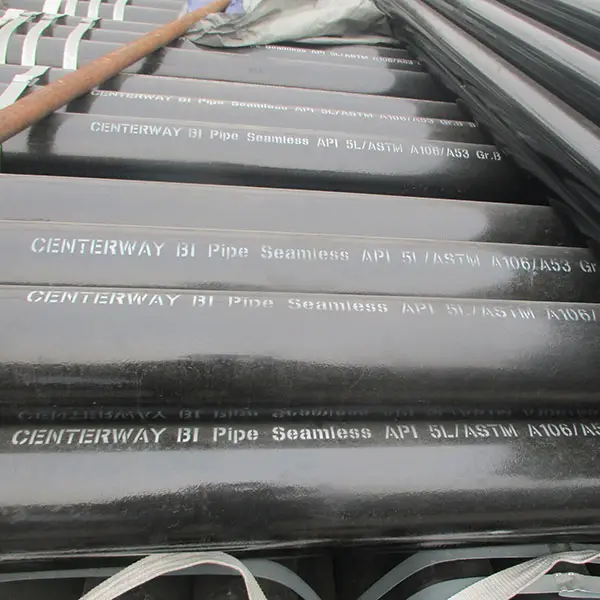
You struggle to find reliable high-strength steel for demanding pipelines. Pipe failures cost you time and money. We break down this steel standard to solve your sourcing problem. The api 5l x70 psl2 specification defines high-grade pipeline steel with a minimum yield strength of 70,000 psi (483 MPa). It requires strict quality testing, high fracture toughness, and controlled chemical elements. This standard guarantees superior safety for high-pressure oil and gas systems.
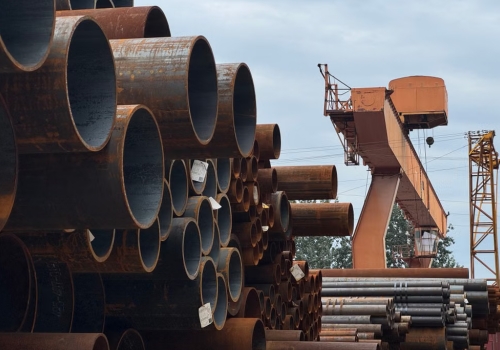
You might think all pipeline steels look the same. I will show you why missing the details of this specific grade will ruin your project budget.
You worry about pipeline cracks under extreme pressure. Standard steel grades fail when stress levels rise. You need this specific steel for its unbeatable mix of strength and toughness. You need the api 5l x70 psl2 specification because it allows you to use thinner pipe walls without giving up safety. This grade offers high fracture toughness, easy welding, and protection against harsh environments. These features directly lower your material costs and speed up your construction. I remember a water transmission project three years ago. The design team wanted to use standard X52 pipes. We calculated the wall thickness required to handle the water pressure. The pipes were too heavy and too expensive to transport. We switched the plan to X70 PSL2. This single change saved us 15% in material costs. You get these savings because of the unique mechanical properties of this steel. Mills use a process called Thermomechanical Controlled Processing (TMCP). This step makes the steel grain very fine. You get high strength without losing flexibility.
| Property | Value/Requirement | Benefit to You |
|---|---|---|
| Minimum yield strength | 70,000 psi (483 MPa) | Handles high internal pressure |
| Minimum tensile strength | 82,700 psi (570 MPa) | Prevents pipe bursting |
| Carbon equivalent | Strictly limited | Ensures easy welding |
| Fracture toughness | Charpy V-notch tested | Stops cracks from spreading |
You must pay attention to the PSL2 part of the name. PSL1 is a basic standard. PSL2 adds mandatory testing for toughness and strict limits on chemical elements. We always require these extra tests to guarantee the pipes will not fail in cold weather.
Choosing the wrong steel grade destroys your budget. Over-engineering wastes money, but under-engineering causes leaks. Let us compare this steel with other options to help you decide. This steel sits perfectly between standard grades like X52 and ultra-high grades like X80. It provides higher strength than X52, allowing thinner walls and cheaper transport. It remains easier and cheaper to weld than X80, making it your most cost-effective choice.
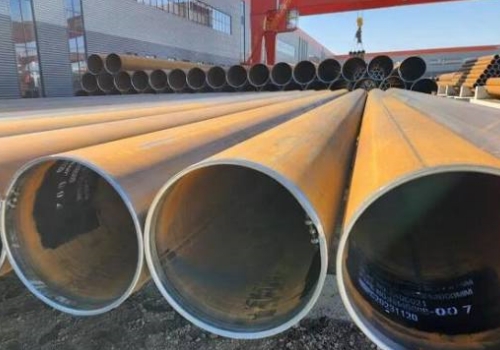
You have many options when you buy pipeline steel. I look at steel grades like tools in a toolbox. You do not need a sledgehammer to drive a small nail.
· Reduces overall material weight
· Lowers your freight and handling costs
· Handles higher operating pressures I often see buyers stick to X52 because they know it well. They miss out on the transport savings that thinner X70 pipes provide.
· Requires less specialized welding equipment
· Reduces labor costs during installation
· Maintains better fracture toughness
· Offers wider market availability High-strength low-alloy (HSLA) steels become harder to weld as their strength increases. If you buy X80, your welders need specialized training. You also face a higher risk of weld defects. X70 gives you the best balance. You get enough strength to reduce weight, but you keep the easy welding of lower grades. This balance keeps your construction moving fast and your labor costs low.
You cannot buy this steel from just any mill. Poor manufacturing leads to weak pipes and catastrophic failures. You must understand how mills produce this steel correctly. Manufacturers face strict challenges to meet this standard. They must control the chemical mix precisely and manage the TMCP cooling rates perfectly. They also perform extensive non-destructive testing. These complex steps ensure every pipe provides uniform strength and hides no internal flaws. I visited a steel mill last year to inspect a batch of pipes. I saw firsthand how difficult it is to make this steel correctly. The mill must balance strength and toughness perfectly. If they cool the steel too fast, the pipe becomes brittle. If they cool it too slow, it loses strength.
· Managing residual stress: Forming thick steel plates into round pipes creates stress. Mills must use proper expansion and heat treatment to remove this stress.
· Passing strict dimensional tolerances: You need perfectly round pipes so your crews can align them easily in the field.
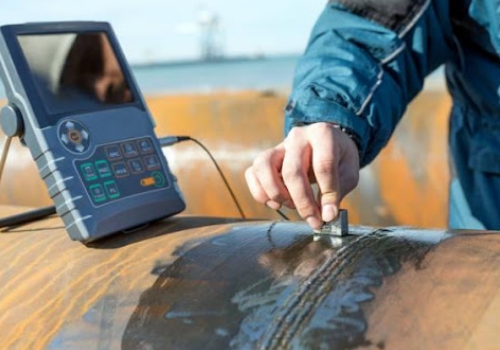
· Performing non-destructive testing (NDT): Mills use ultrasound and X-rays to check every inch of the weld seam. You must check your supplier's quality control records. I always ask for the Mill Test Certificates (MTC). These documents prove the factory met all chemical and mechanical rules. You risk your entire project if you buy pipes from a mill that skips these vital testing steps.
You probably still have specific questions before you place an order. Uncertainty delays your buying process. We answer the most common questions buyers ask us every day. Here are the answers to your top questions about this steel grade. We cover sour service compatibility, welding rules, and pressure limits. These direct answers will help you specify the right materials and communicate clearly with your teams.
You need clear facts when you talk to your engineers. Here are the questions I hear most often from other buyers in the construction industry.
Can I use this steel for sour service environments?
Yes, you can use it for sour service. However, you must specify "Annex H" or "Sour Service" when you order. The mill will further restrict sulfur and phosphorus levels. They will also test the steel for Hydrogen-Induced Cracking (HIC) resistance.
What do the "X" and "70" mean in the name?
The "X" stands for extra strong. The "70" means the steel has a minimum yield strength of 70,000 pounds per square inch (psi).
Do I need special welding rods for this steel?
Yes. You must use matching or slightly overmatching welding consumables. Your welders should use low-hydrogen electrodes to prevent cracking in the weld zone.
Is PSL2 really worth the extra cost over PSL1?
Absolutely. PSL1 does not require impact testing, and it allows higher carbon levels. PSL2 guarantees the pipe will resist cracking under sudden stress or cold temperatures. You protect your project from disastrous leaks when you insist on PSL2.
The api 5l x70 psl2 specification gives you the perfect balance of high strength, reliable toughness, and easy welding. We, at Centerway Steel, provide fully certified pipeline products globally. Contact us today to get a quote for your next project.



 English
 Español