Pragmatism, Integrity, Passion

Pragmatism, Integrity, Passion

Struggling with weak soil on your site? Foundation failures cost you time and money. Discover how the right steel piles solve these issues instantly. An ASTM A252 pipe pile is a structural steel cylinder used in deep foundations. It transfers heavy building loads deep into stable soil. This pile offers high yield strength, excellent durability, and easy installation, making it perfect for bridges, high-rises, and marine structures.
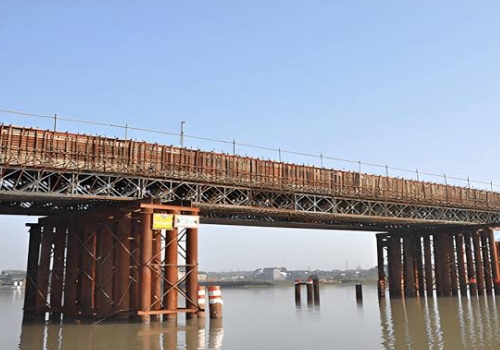
You might wonder why so many builders prefer this specific steel pipe. Let us look at the details that will change your next project.
Confused by different pile standards? Picking the wrong material ruins your budget. Let us break down what this standard means for your foundation. ASTM A252 is a standard specification for welded and seamless steel pipe piles. It acts as a permanent load-carrying member or as a shell to form cast-in-place concrete piles, offering three distinct strength grades. To understand this pile, we need to look at its core parameters. I always tell my team to check the grades first. The American Society for Testing and Materials creates these rules to keep our buildings safe. You can choose from three main grades based on your load needs. Grade 3 gives you the highest yield strength, which is why we use it most often in heavy construction. When you buy this pipe, you buy peace of mind. You know the steel will not bend under pressure. Let us look at the exact yield strength parameters for your reference:
| Grade | Minimum Yield Strength (MPa) | Minimum Tensile Strength (MPa) | Typical Application |
|---|---|---|---|
| Grade 1 | 240 | 345 | Light loads, small buildings |
| Grade 2 | 300 | 415 | Medium loads, standard structures |
| Grade 3 | 350 | 455 | Heavy loads, bridges, high-rises |
1. High load-bearing capacity for extreme weights.
2. Multiple size options ranging from 2 inches to 72 inches in diameter.
3. Great welding ability for quick site joints.
4. Custom surface treatments like hot-dip galvanizing for wet soils. We see a massive drop in project delays when teams pick the right grade from the start.
Unsure if these piles fit your specific site? Using the wrong support leads to structural cracks. Here are the exact places they work best. We use ASTM A252 pipe piles in bridge foundations, deep building supports, port docks, and shoreline protection. They transfer massive weights to solid rock layers, keeping structures totally stable in soft mud or deep water.
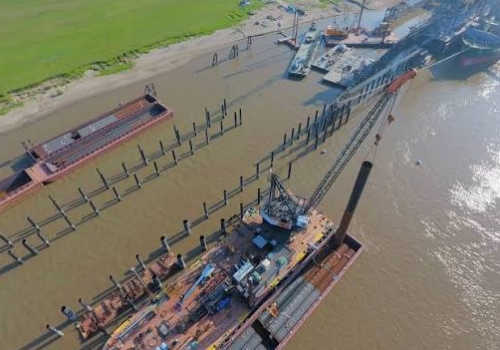
I have seen many sites where regular shallow foundations just fail. Soft soil cannot hold a large building. That is where deep piling comes in. We drive these steel cylinders deep until they hit solid rock. This transfers the entire weight of the structure safely downward. You do not want a skyscraper slowly sinking into the mud. Using this specific pipe pile stops that problem completely. Let us review the most common project types where we use them:
1. Bridge Pile Foundations: We use them to hold up massive river bridges. They fight river currents and support heavy traffic loads perfectly.
2. Port and Dock Construction: Sea water destroys normal materials. Coated steel piles resist salt water and absorb heavy impacts from docking ships.
3. High-Rise Building Supports: Tall towers need deep roots. These pipes prevent building settlement in weak city soils.
4. Shoreline Protection: We drive them into riverbanks to stop soil erosion and block floodwaters.
| Project Type | Main Challenge | How ASTM A252 Helps |
|---|---|---|
| Bridges | Strong water currents | High bending strength |
| Ports | Saltwater corrosion | Custom anti-rust coatings |
| High-Rises | Massive vertical weight | Grade 3 high yield strength |
Still deciding between concrete and steel? A bad choice creates long delays and costly repairs. Let us compare the facts directly. ASTM A252 pipe pile beats concrete piles in bending strength and installation speed. It also beats H-beam piles in corrosion resistance and handling ease. Steel pipes offer the best balance of strength, speed, and long-term durability. Every buyer wants to save money. But saving money on cheap materials causes disaster later. I always compare steel pipes, concrete piles, and H-beams before starting a job. Concrete takes too long to cure. If you hit a hard rock during driving, concrete cracks easily. Steel pipes punch right through tough soil layers without breaking. Time is money on a job site. When you use steel, you finish days or weeks earlier. Let us break down the exact differences so you can choose wisely:
1. Installation Speed: Steel pipes drive fast. Concrete requires long waiting times.
2. Transport Weight: Steel is lighter and easier to move around the site.
3. Bending Strength: Steel handles sideways forces much better than stiff concrete.
1. Corrosion Resistance: We can coat round pipes easily. H-beams have complex corners that rust faster.
2. Soil Friction: The round shape of a pipe gives better friction support in soft soils.
| Feature | ASTM A252 Pipe Pile | Concrete Pile | H-Beam Pile |
|---|---|---|---|
| Bearing Capacity | Excellent | Good | Excellent |
| Rust Resistance | High (with coating) | Low (rebar rusts) | Medium |
| Install Speed | Very Fast | Slow | Fast |
| Site Adaptability | High | Low | Medium |
Worried about site mistakes? Poor installation ruins good materials. Follow these proven steps to ensure a flawless and safe foundation. Proper construction requires selecting the right grade, driving the pile accurately, welding joints securely, and testing the final load capacity. Strict quality control at every step guarantees the foundation holds the required weight safely.
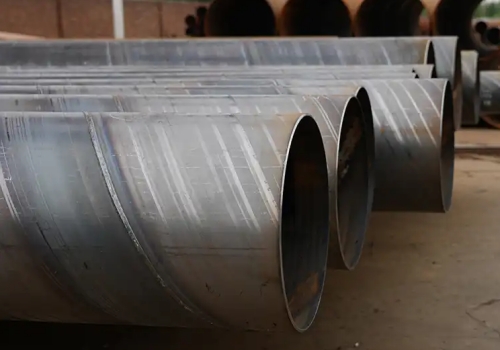
Buying the best pipe is only half the job. You must install it correctly. I always tell my contractors to watch the welding and driving steps closely. A bad weld makes the whole pile useless. We must follow strict construction rules to protect the building and the people inside it. You should never rush the testing phase. If the pipe is crooked in the ground, it will not hold the weight. Here is our standard site process to keep everything safe:
1. Method Selection: Choose an impact hammer for soft dirt. Use a drill method for hard rock.
2. Positioning: Mark the exact spot. Even a small angle mistake causes huge load problems later.
3. Splicing and Welding: When you need a longer pile, weld two pipes together. The joint must be perfectly strong.
4. Driving: Push the pipe into the ground until it hits the target depth.
1. Visual Check: Look for deep scratches or dents before use.
2. Dimension Check: Measure the wall thickness and diameter.
3. Integrity Test: Use sound waves to find hidden cracks inside the installed pile.
4. Load Test: Put heavy weights on the top to prove it holds the building.
| Testing Phase | Action Required | Expected Result |
|---|---|---|
| Pre-Install | Measure wall thickness | Matches site blueprints |
| During Install | Monitor vertical angle | Straight drive into soil |
| Post-Install | Static load test | Zero sinking or failure |
Still have burning questions? You are not alone. Let us clear up the most common doubts buyers have about these steel piles. We gathered the top questions from construction managers. Understanding these answers helps you buy smarter, speed up your project, and avoid common structural mistakes. Let us look at the quick facts right now. Over my many years in the steel business, buyers ask me the same questions every day. They want to know about rust, costs, and sizes. I keep my answers simple and direct. You need facts to make quick buying choices. I hate seeing buyers waste money on the wrong specs. Reading these answers will make you an expert before you even call a supplier. Here are the questions I hear most often:
Q: Can we use ASTM A252 pipe piles in wet sea environments?
A: Yes, absolutely. We apply strong anti-rust coatings or hot-dip zinc treatments to the surface. This stops saltwater from eating the steel and adds years to your project life.
Q: Which grade should I buy for a large bridge project?
A: Always choose Grade 3. It gives you a 350 MPa minimum yield strength. This handles massive bridge weights and heavy traffic easily.
Q: Do steel pipe piles cost more than concrete piles?
A: The upfront material cost might look higher. However, steel installs much faster and needs less repair. You save big money on daily labor and long-term maintenance.
Q: How do you connect two steel pipes together on site?
A: We use full penetration butt welding. This melts the two ends together perfectly, making the joint as strong as the rest of the pipe.
| Question Topic | Key Takeaway |
|---|---|
| Sea Use | Apply thick coatings |
| Best Grade | Grade 3 for heavy loads |
| Total Cost | Saves labor money |
| Joining | Butt welding is best |
An ASTM A252 pipe pile delivers unmatched strength and speed for your foundations. Need high-quality, cost-effective piles? Contact Centerway Steel today for your one-stop pipeline sourcing!



 English
 Español