Pragmatism, Integrity, Passion

Pragmatism, Integrity, Passion

Are you struggling to pick the right EFW steel pipe for extreme temperatures? Making the wrong choice causes costly delays and safety risks. I can help you decide easily.
Engineers design ASTM A671 for cold weather, ASTM A672 for moderate heat, and ASTM A691 for high temperatures. You must choose based on your specific limits. This careful choice guarantees total safety and protects your project budget.
You might wonder how these specifications differ in real-world applications. Let me break down the exact parameters so you can avoid buying the wrong materials and save money.
Cold environments make standard steel pipes crack easily. You need a pipe that stays strong in freezing weather to keep your pipeline running safely and avoid expensive winter leaks.
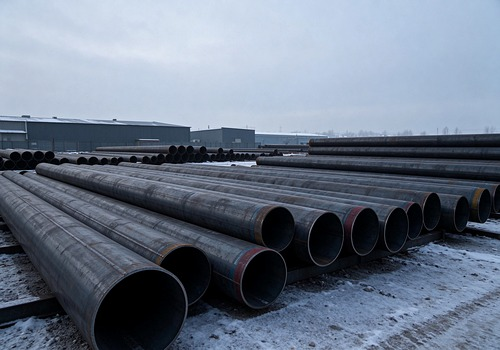
Engineers design ASTM A671 EFW steel pipe for atmospheric and low-temperature applications. We manufacture it from pressure vessel quality plates. This pipe ensures excellent toughness in freezing conditions for your project.
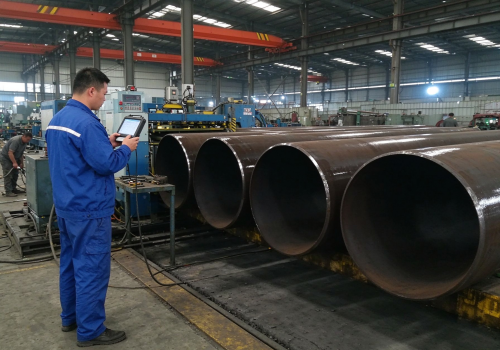
When I work with EPC purchasing managers, they often ask about the specific grades of ASTM A671. You must understand these grades to match your project needs perfectly. We use different steel plates to make different grades of this EFW pipe. We subject this pipe to rigorous impact testing to ensure it does not break when the weather gets extremely cold.
Here is a simple comparison table to help you see the differences clearly:
| Grade | Plate Specification | Tensile Strength (MPa) |
|---|---|---|
| CC60 | A516 Grade 60 | 415 - 550 |
| CC65 | A516 Grade 65 | 450 - 585 |
| CC70 | A516 Grade 70 | 485 - 620 |
Using ASTM A671 instead of standard carbon steel in very cold environments (like -45°C) prevents brittle fracture. This specific choice saves companies millions of dollars in potential leak damages. You do not want to risk a pipeline failure in winter. I always advise my clients to check the impact test temperature before placing an order to ensure absolute safety.
High-pressure systems demand highly reliable materials. If your pipes fail under pressure, your entire plant stops working. You need a proven solution for moderate temperature applications right now.
You should choose ASTM A672 EFW steel pipe for high-pressure service at moderate temperatures. It works best in environments where heat remains normal, but pressure is very high.
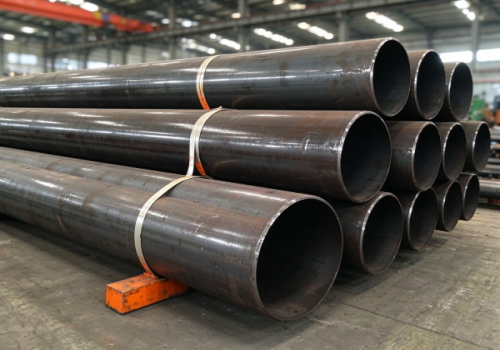
Many engineers specify ASTM A672 for general refinery piping. This standard looks very similar to A671, but the testing requirements center on pressure at normal or warm temperatures. I have seen many construction projects use this pipe for utility lines. The manufacturing process uses Electric-Fusion-Welding to create a very strong seam.
1.Grade B60 works well for basic pressure vessel applications.
2.Grade B70 handles higher pressure requirements easily.
3.Grade C70 includes killed steel for a better internal structure.
Look at this table for the heat treatment classes:
| Class | Heat Treatment Method | Radiography Required |
|---|---|---|
| Class 10 | None | No |
| Class 12 | None | Yes |
| Class 22 | Stress Relieved | Yes |
EPC contractors often order ASTM A672 Grade B60 Class 22 for refinery utility lines operating up to 200°C. This specific combination balances material cost and pressure resistance perfectly. You can reduce your procurement budget by choosing the right class. Radiography testing confirms the weld has no flaws, which gives you peace of mind during installation. I always remind buyers to match the class number with their local safety codes to avoid inspection failures.
Extreme heat weakens ordinary steel pipes quickly. You face severe safety hazards if your pipeline melts or deforms. You need a heat-resistant pipe to prevent catastrophic system failures.
ASTM A691 is the best choice for high temperatures because it contains specific alloy elements like chromium and molybdenum. These alloys give the pipe exceptional heat resistance for hot power plants.
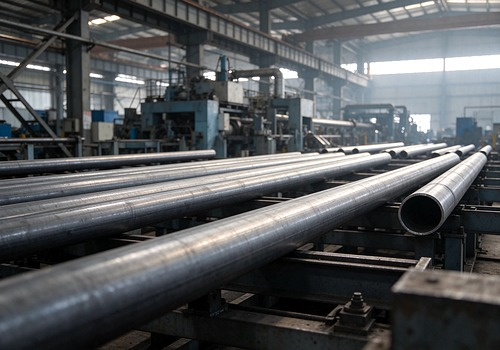
If your project involves steam lines or hot chemical processing, ASTM A691 is exactly what you need. Standard carbon steel loses its strength when it gets too hot. By adding alloys, the steel structure remains stable. I want to show you the most popular alloy grades we sell at Centerway Steel.
1.Grade 1-1/4 CR contains 1.25% Chromium for good heat resistance.
2.Grade 2-1/4 CR contains 2.25% Chromium for very demanding heat.
3.Grade 5 CR handles extreme refining environments.
This table shows why these alloys matter:
| Grade | Main Alloy Element | Typical Max Temperature |
|---|---|---|
| 1-1/4 CR | Chromium-Molybdenum | 538°C |
| 2-1/4 CR | Chromium-Molybdenum | 593°C |
| 5 CR | Chromium-Molybdenum | 649°C |
ASTM A691 alloy pipes cost about 30% to 40% more than standard A672 carbon steel pipes. However, this investment extends your pipeline lifespan by more than 15 years in 500°C steam lines. Replacing a failed pipe costs much more than buying the right alloy in the first place. You must view this as a long-term safety investment for your plant. I strongly recommend verifying the exact operating temperature before selecting the chromium percentage.
Still confused about which standard fits your specific site? Guessing the material costs time and money. Here are clear answers to guide your final choice.
I compiled the most common questions from my clients regarding EFW pipe selection. Read these quick answers to clear up any final doubts about temperature limits, testing, and order details before you make your purchase.
I know buying steel pipes is a big decision. Over my years of experience, buyers ask me the same important questions. To make your job easier, I put together this simple FAQ. You can find your answers right here.
Q: What is the main difference between A671 and A672?
A: A671 contains specific steel plates tested for low-temperature toughness. A672 uses similar plates but focuses on high-pressure service at moderate temperatures. You must choose based on your climate.
Q: Do all these EFW pipes require radiography testing?
A: No. The class number determines the testing. For example, Class 10 requires no radiography, but Class 12 requires full radiography on the weld. We can perform any test you need.
Q: Does A691 cost more than the other two options?
A: Yes, A691 includes alloy elements like chromium and molybdenum to handle extreme heat. This makes it more expensive but vital for high-temperature safety. We offer competitive prices on all alloys.
Q: Can I order these pipes with custom wall thicknesses?
A: Yes. Because we form these from steel plates, we can adjust our rollers. We can make custom wall thicknesses to match your exact pressure limits. If you have more questions, you can always reach out to me directly.
ASTM A671, A672, and A691 pipes handle cold, moderate, and high temperatures perfectly. Choose the right specification to keep your plant safe. Contact Centerway Steel today for your quote!



 English
 Español