Pragmatism, Integrity, Passion

Pragmatism, Integrity, Passion

Sourcing the right piping material can be a headache for project managers. You need durability without breaking the budget, yet the options often feel overwhelming. Carbon steel pipe uses range from transporting oil, gas, and water to providing structural support in buildings and bridges. Thanks to their high strength, shock resistance, and cost-effectiveness, they are the backbone of the energy, construction, and manufacturing sectors.
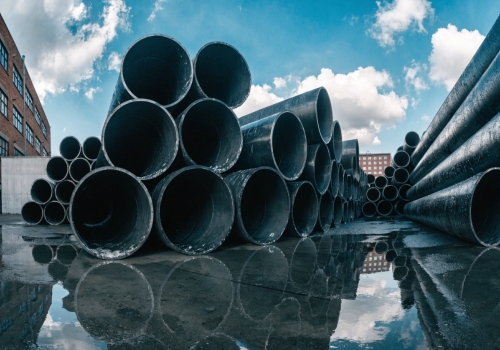
Many people assume all steel pipes are the same, but that is a mistake. If you pick the wrong type for your project, you might face leaks or structural failures. Let me explain the details so you do not make a wrong choice.
You might wonder why some pipes bend easily while others snap under pressure. The answer often hides in the chemistry of the steel itself. The level of carbon dictates the steel's hardness and ductility. Low carbon allows for easy welding in pipelines, while high carbon offers the strength needed for heavy mechanical tools.
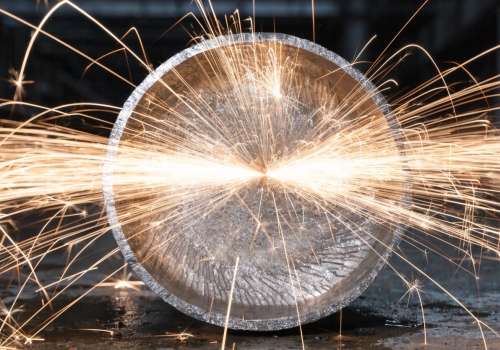
In my years of working with pipeline equipment, I have seen that the carbon percentage is the most critical factor. It changes how the metal behaves. We usually divide these pipes into three main categories based on this chemical makeup. Each category fits a specific job. Low carbon steel, often called mild steel, is what we see most often. It is soft enough to bend and weld without cracking. This makes it perfect for pipelines that travel long distances. If you need to shape a pipe on-site, this is your go-to material. Medium carbon steel is harder. It contains more carbon, which makes it stronger but less flexible. We use this for mechanical parts that face a lot of wear and tear. High carbon steel is the hardest of them all. It is very strong but can be brittle. You cannot weld it easily. We rarely use this for standard fluid transport. Instead, it is for tools or springs. Here is a breakdown to help you see the differences clearly:
| Grade Type | Carbon Content | Key Properties | Typical Applications |
|---|---|---|---|
| Low Carbon (Mild) | 0.04% – 0.30% | High ductility, easy to weld, tough | Oil & gas pipelines, water transport, general construction |
| Medium Carbon | 0.30% – 0.60% | High strength, moderate wear resistance | Axles, gears, mechanical machinery parts |
| High Carbon | 0.60% – 2.00% | Extreme hardness, low flexibility | Cutting tools, high-strength wires, springs |
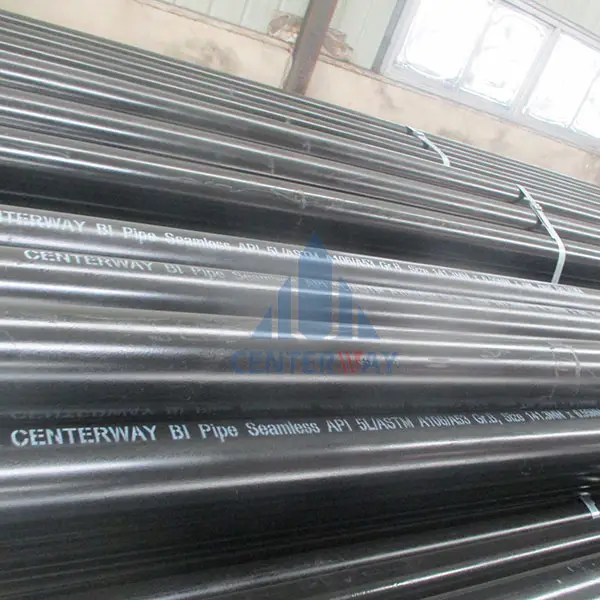
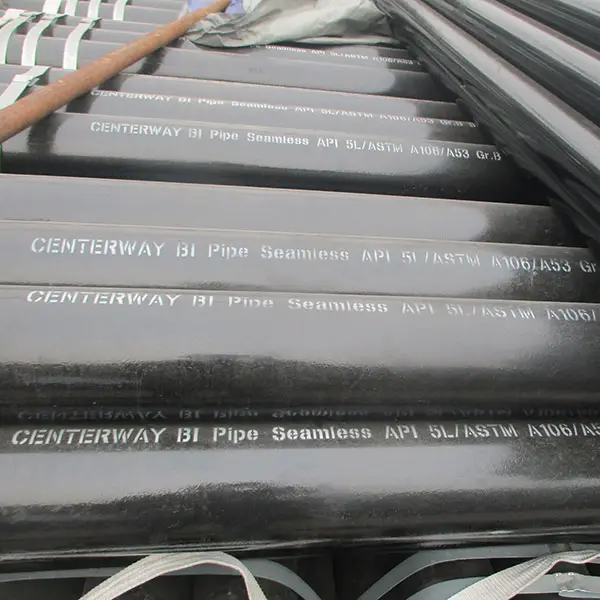
A pipe might look strong, but without the right certification, it is just a piece of metal. You cannot risk safety on unverified materials. Specific ASTM standards dictate where a pipe can go. For instance, ASTM A106 is vital for high-temperature service, whereas ASTM A53 is the standard for general fluid and gas transport.
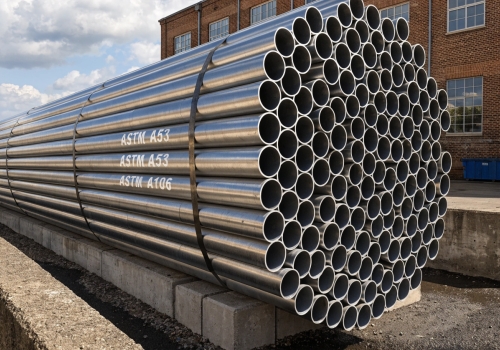
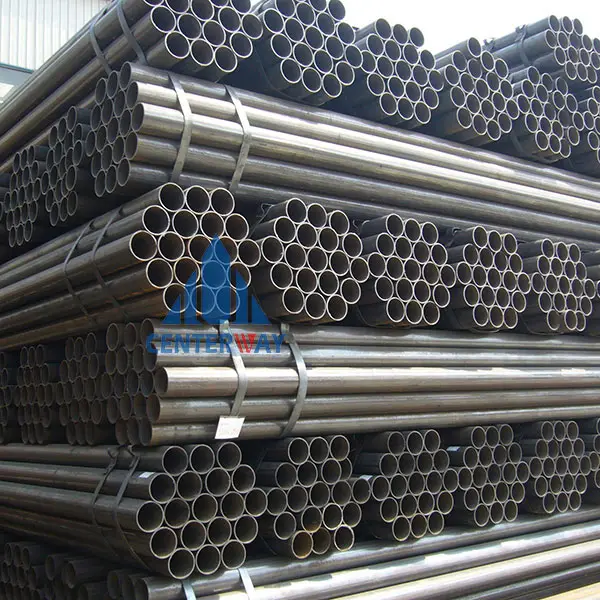
When I help clients source materials, I always ask about the application environment first. This is because carbon steel pipe uses depend heavily on the manufacturing method and the standard it follows. We generally look at two main types: Seamless and Welded. Seamless pipes have no joint. We make them from a solid round billet. This means they can handle very high pressure. If you are moving hot steam or gas under pressure, you want seamless. There is no weak point for the pipe to burst. Welded pipes start as a flat plate. We roll them and weld the seam. These are cheaper and easier to make in large sizes. They are great for low-pressure water lines or structural columns where internal pressure is not the main issue. We must also look at the strict standards set by organizations like ASTM. If you use a general-purpose pipe for a high-pressure boiler, it could be dangerous. You need to match the "Executive Standard" to the job. Here is a quick guide to the standards we deal with every day:
| Standard | Pipe Type | Primary Use Case |
|---|---|---|
| ASTM A53 | Seamless / Welded | General plumbing, air lines, and structural supports. |
| ASTM A106 | Seamless | High-temperature service like power plants and refineries. |
| ASTM A333 | Seamless / Welded | Low-temperature service, essential for cryogenic gas transport. |
| ASTM A179 | Seamless | Heat exchangers and condensers. |
| API 5L | Seamless / Welded | Line pipe for conveying gas, water, and oil in petroleum industries. |
Every EPC project manager faces the same challenge: finding a material that survives harsh environments while keeping costs down. Industries prefer carbon steel because it offers an unmatched balance of durability and affordability. It withstands high pressure in energy sectors and supports massive loads in construction projects.
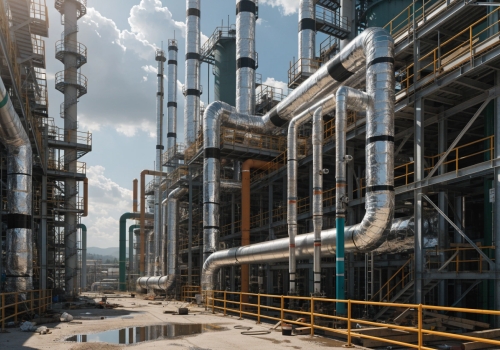
I have supplied pipes to projects all over the world, from Southeast Asia to the Americas. The reason carbon steel pipe uses are so widespread is simple: it works. It is the workhorse of the industrial world. Let's look at where it truly shines. First, consider the Oil and Gas sector. This is the biggest consumer. Whether it is upstream drilling or downstream refining, carbon steel is essential. It is tough. It can handle the shock of high pressure. When we add coatings, it resists corrosion too. Next is the Construction industry. Look at any skyscraper, bridge, or stadium. The skeleton is often carbon steel. We use it for piling to support foundations. We use it for scaffolding. It is safe because it does not break suddenly; it bends first if overloaded. This gives a warning, which is a key safety feature. Then there is the Automotive and Shipbuilding industry. Ships need miles of piping for fuel, water, and waste. Cars use it for exhaust systems and chassis frames. It resists heat and vibration better than many other metals. Finally, think about heavy machinery. Conveyor belts, rollers, and hydraulic cylinders all rely on the precision of carbon steel tubes. It is easy to machine, so we can cut and shape it to fit exact needs.
| Industry | Specific Application | Benefit of Carbon Steel |
|---|---|---|
| Oil & Gas | Transportation Pipelines | High strength prevents bursts under pressure. |
| Construction | Piling & Scaffolding | shock resistance ensures structural integrity. |
| Automotive | Exhausts & Chassis | Heat resistance and durability against vibration. |
| Shipbuilding | Fuel & Cargo Lines | Cost-effective for massive volume requirements. |
| Chemical | Processing Tanks | Can be coated to resist specific chemical attacks. |
Carbon steel pipes remain the top choice for industrial projects due to their versatility, strength, and cost efficiency across various pressure and structural applications. Finding a supplier who understands these technical details is just as important as the product itself. This is where we come in. At Centerway Steel, we do not just sell pipes; we provide solutions. Since 1996, we have integrated production and sales to support global customers like you. Whether you need ASTM A106 for a refinery or API 5L for a pipeline, our "One-stop" service ensures you get the quality you need. We have the stock, the certifications (ISO, CE, API), and the experience to make your procurement process smooth. Let us share the best China-made carbon steel pipes with you.



 English
 Español