Pragmatism, Integrity, Passion

Pragmatism, Integrity, Passion

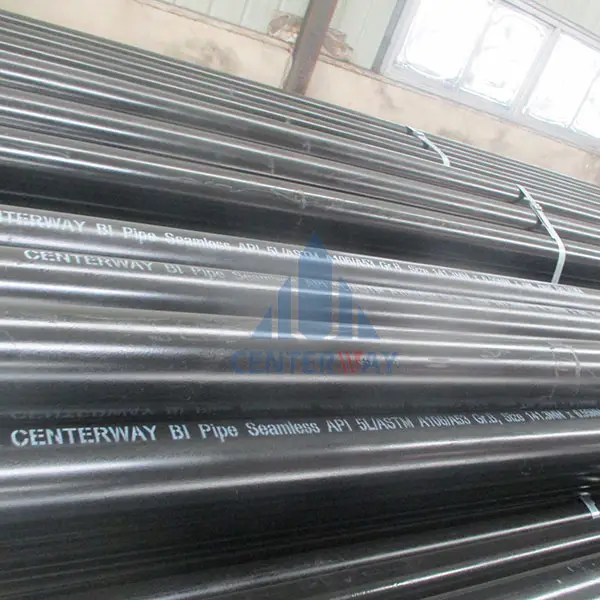
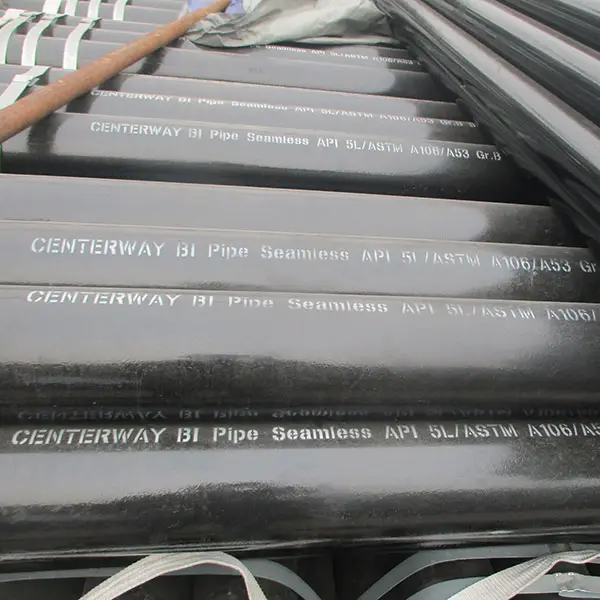
Pipeline failures cost you time and money. Finding a reliable api 5l welded pipe stops these leaks early. We will show you exactly how to pick the right one. You choose the right api 5l welded pipe by matching the steel grade to your pressure needs, selecting the correct welding type like SSAW, and verifying exact wall thickness. This ensures safe fluid transport and keeps your construction budget on track.
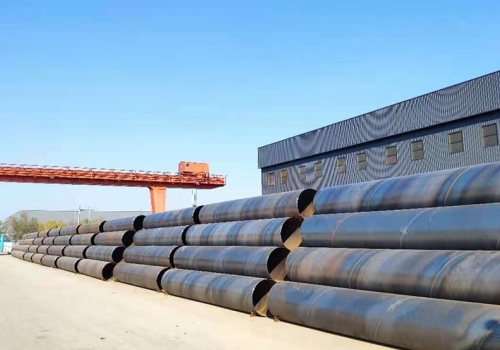
You might think all steel pipes handle pressure the same way. Keep reading to see why picking the wrong pipe ruins your entire construction project.
Using weak steel causes blowouts under heavy pressure. You need a grade that handles your specific project load. We break down the exact options you need. The most common API 5L grades include Grade B, X42, X52, X60, and X70. Grade B works for low-pressure water systems, while X70 handles high-pressure oil transport. Higher numbers indicate higher yield strength, which lets you use thinner walls to save money.
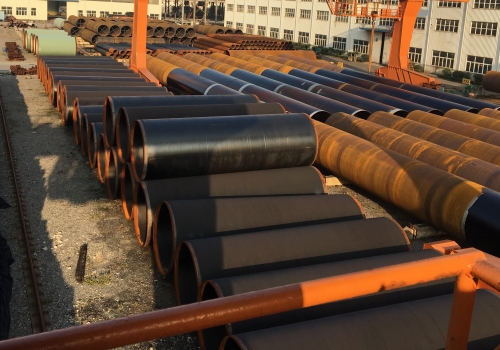
You must match the steel grade to your project environment. If you buy a grade that is too low, the pipe bursts. If you buy a grade that is too high, you waste your budget. I have spent 18 years watching buyers lose thousands of dollars by ignoring these exact specifications.
To help you decide, we look at yield strength. This metric tells you how much stress the pipe takes before it bends permanently.
· Grades X42 to X52 fit standard urban construction networks.
· Grades X60 to X80 support heavy-duty pipelines across long distances.
| Grade | Minimum Yield Strength (psi) | Best Application | Cost Level |
|---|---|---|---|
| Grade B | 35,000 | Low-pressure water | Low |
| X42 | 42,000 | Standard fluids | Medium |
| X52 | 52,000 | Gas transport | Medium |
| X70 | 70,000 | High-pressure oil | High |
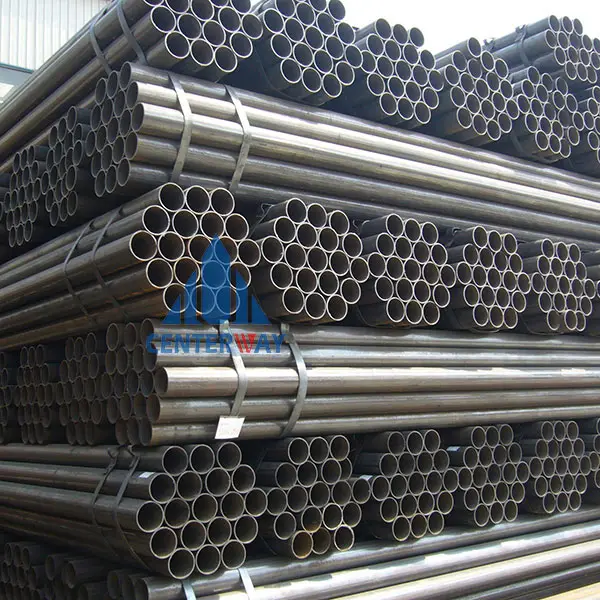
A bad weld breaks your entire pipeline system. You must pick a manufacturing method that fits your diameter and pressure. Here is how the options compare. Welding methods change pipe strength and flexibility. ERW fits small diameters with clean seams. LSAW handles very high pressures for large pipelines. SSAW provides excellent flexibility and cost savings for large-diameter construction projects. The way a factory welds the steel plate decides how long the pipe lasts. I always tell my clients to match the weld type to the project size.
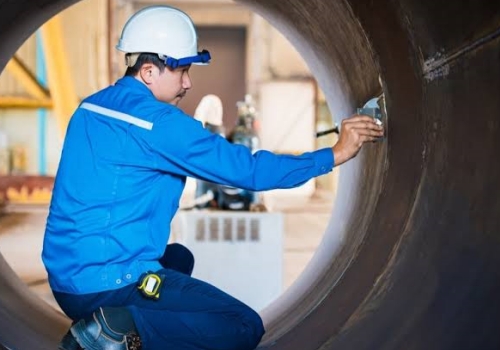
At Centerway Steel, we produce high-quality SSAW pipes because they offer the best value for massive construction jobs.
You have three main choices when buying these industrial pipes.
· Longitudinal Submerged Arc Welded (LSAW) uses a straight weld. It gives massive strength for deep-sea oil lines.
· Spiral Submerged Arc Welded (SSAW) rolls the steel plate in a spiral shape.
· It handles ground stress better because the spiral seam distributes pressure evenly.
· It costs less to produce in very large diameters compared to straight welds.
· It allows factories to make ultra-long pipes. Using ultra-long SSAW pipes means you perform fewer welds on your job site. This saves you labor costs and speeds up your installation time.
Guessing your pipe size leads to poor fluid flow. You need accurate diameter and thickness numbers to match your pumps. Let us look at the exact sizing steps. You calculate size by matching the outer diameter and schedule thickness to your flow rate and pressure limits. Diameters range from 3 to 80 inches. Schedule 40 works for standard use, while Schedule 160 resists extreme pressure. Getting the size wrong ruins your pump efficiency. You need the right inside space for the fluid and the right wall thickness to hold it safely. Industry standards use "Schedule" (SCH) to measure this wall thickness.
You need to follow a strict process to avoid buying the wrong materials.
1. Check your required flow rate to find the correct Outer Diameter (OD).
2. Find your maximum operating pressure limit.
3. Add extra thickness for future rust (corrosion allowance).
4. Pick the matching Schedule number from the API 5L chart.
· SCH 40 remains the standard for most commercial building projects.
· SCH 80 adds thick walls for industrial chemical transport.
· SCH 160 gives maximum safety for extreme high-pressure zones. We stock a huge inventory of all these sizes as your one-stop supplier. This means you get your materials fast and keep your project moving forward.
Poor installation destroys perfectly good pipes. You must handle and connect them properly to avoid early rust. We share the best site practices below. You ensure a leak-proof pipeline by keeping pipes perfectly aligned during setup. You preheat large pipes before welding to stop thermal cracks. Finally, you apply strong anti-corrosion coatings to joints and use ultrasonic testing to check every seam. Even top-tier materials fail if your crew installs them badly. I have spent my career watching site teams make the exact same mistakes. You can save thousands in repair costs by following strict installation rules.
Your site team must follow these rules every time they lay a pipe.
1. Clear the trench of sharp rocks to protect the outer pipe coating.
2. Align the pipe ends perfectly using heavy steel clamps.
3. Clean dirt and oil off the welding edges before striking an arc.
4. Weld the joints using certified technicians only.
You cannot just trust your eyes after the welding finishes. You must test the work.
· Use X-ray tools to look inside the joint metal.
· Run ultrasonic waves to find tiny hidden cracks.
· Push water through the line at high pressure to verify the seals hold. Taking these steps guarantees your system runs safely for decades without costly maintenance shutdowns.
Q: What does API 5L stand for?
A: API stands for the American Petroleum Institute. The 5L specification sets the strict standards for pipes used to transport gas, water, and oil safely.
Q: Can I use API 5L pipes for water supply?
A: Yes. Lower grades like Grade B and X42 work perfectly for large-scale water transport and municipal plumbing projects. They provide excellent strength at a good price.
Q: What is the difference between PSL1 and PSL2?
A: PSL stands for Product Specification Level. PSL1 is for standard quality use. PSL2 has stricter chemical and testing rules for higher safety in extreme environments.
Choosing the correct pipeline materials keeps your project safe and under budget. We supply premium api 5l welded pipe worldwide. Contact Centerway Steel today to secure your reliable one-stop sourcing solution.



 English
 Español