Pragmatism, Integrity, Passion

Pragmatism, Integrity, Passion

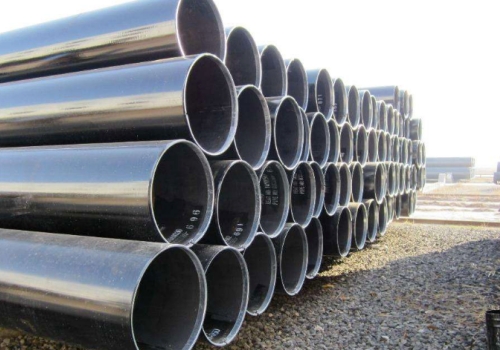
Are you buying steel pipes but confused by the names? Picking the wrong pipe wastes money and causes leaks. Let me help you solve this problem today. The main difference between ERW and EFW pipe is the welding method. ERW uses electrical resistance to heat and press the steel edges together. EFW uses an electron beam to melt and fuse the edges, creating a stronger seam for high-pressure needs.
You might think this small welding detail does not matter at all. If you stop reading now, you could buy the wrong pipe and face huge project delays later.
Do you struggle to see why one pipe costs much more? The secret hides in the factory. Let us look at how workers make these pipes. Both pipes start as flat steel coils rolled into tubes. ERW passes a high-frequency current through the edges to bond them without melting. EFW uses a laser or electron beam to completely melt and fuse the steel edges together. When I visit factories, I always watch the rolling machines. Both ERW and EFW start the same way. A machine feeds a flat steel plate through many rollers. These rollers slowly bend the steel into a circle. The real difference happens at the welding stage.
For ERW, the machine uses a high-frequency electric current. This current heats the edges of the steel. Then, heavy rollers press the edges together to make a solid seam. The steel does not actually melt. Older machines used low-frequency current. That caused many problems like seam rust and weak bonds. Today, modern factories only use high-frequency current. For EFW, the process is very different. The machine uses a strong electron beam or laser. This beam completely melts the edges of the steel. The melted edges mix and fuse together. This creates a very solid bond. The EFW process leaves a much smaller heat-affected zone. This means the metal stays strong and uniform.
| Feature | ERW Pipe | EFW Pipe |
|---|---|---|
| Heat Source | High-frequency current | Electron beam or laser |
| Steel State | Heated and pressed | Melted and fused |
| Heat-Affected Zone | Larger | Smaller and narrower |
| Seam Finish | Trimmed outside, visible inside | Cleaned and trimmed on both sides |
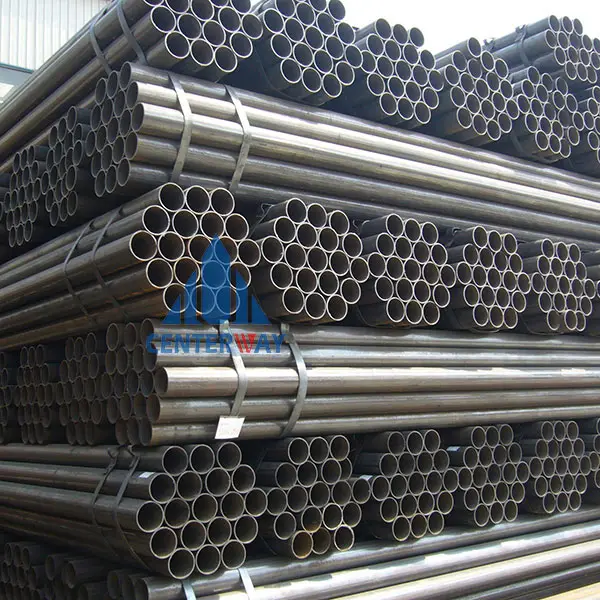
Do you need a lot of pipes on a tight budget? High material costs can easily ruin your plan. ERW pipes might be your best choice. ERW pipe is very efficient and cheap to make. You can use it in plumbing, heating, fire safety, and standard oil transport. It works perfectly for normal pressure systems and helps you save money on large construction jobs.
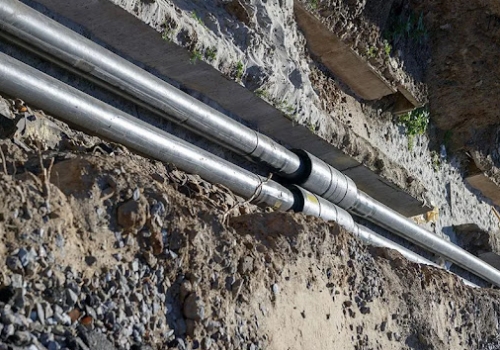
In my years of sourcing pipes, I buy ERW pipes the most. The machines that make ERW pipes last for decades if workers maintain them well. This makes the production process very cheap. Manufacturers pass these savings on to you.
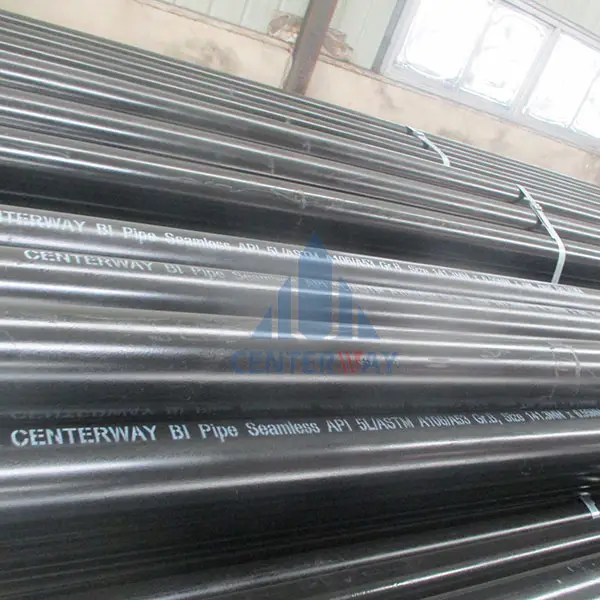
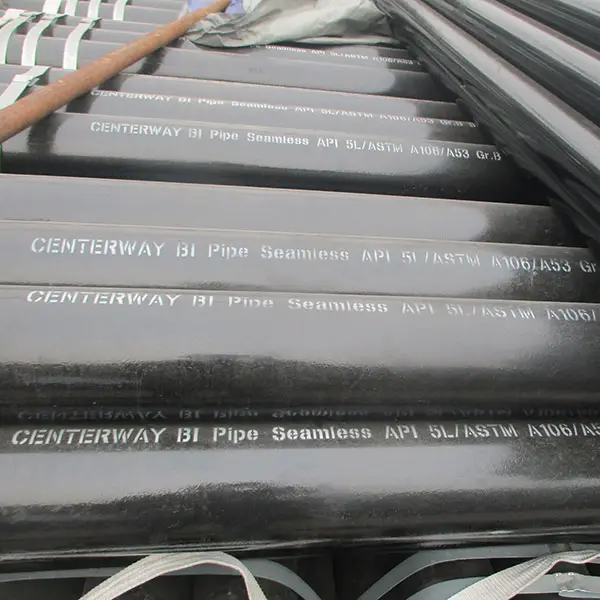
If your project moves water, air, or standard oil, ERW is perfect. You will find ERW pipes in almost every building. They are in the fire sprinklers above your head. They are in the heating systems under your feet. Let me share the technical details. Factories make ERW pipes in sizes from 1/2 inch to 48 inches. They use materials like carbon steel and stainless steel. The pipe ends can be plain, cut at an angle, or threaded. We at Centerway Steel test all our ERW pipes to meet strict rules.
| Specification | ERW Pipe Details |
|---|---|
| Size Range | 1/2 inch to 48 inches |
| Common Materials | Carbon steel, Stainless steel |
| Common Uses | Plumbing, HVAC, automotive, general oil |
| Standard Rules | ASTM A178, ASTM A53 |
Are you worried about pipes breaking under extreme pressure? A weak pipe seam can cause a terrible disaster. EFW pipe gives you the strong safety you need. EFW pipe handles high pressure and harsh chemicals much better than ERW. The melting method makes the metal strong and uniform. You can safely use EFW as a cheaper replacement for expensive seamless pipes in demanding environments.
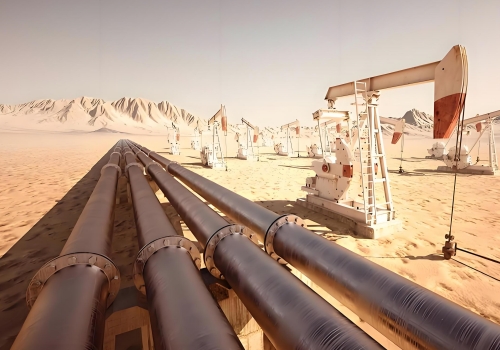
When I buy pipes for chemical plants, I never take risks. I always look at EFW pipes. The fusion process makes EFW pipes incredibly strong. Because the laser melts the steel, the weld is very dense. It has no weak spots.
Many buyers think they must use seamless pipes for high-pressure jobs. Seamless pipes are very expensive. Here is a secret I learned. You can use EFW pipes instead. They cost less than seamless pipes but offer similar strength. Industries that process heavy chemicals, oil, and food love EFW pipes. These pipes can handle extreme heat and terrible rust. Factories can make EFW pipes in huge sizes. You can buy them from 1/8 inch all the way up to 100 inches. You can also get them in special metals like high nickel alloy.
| Specification | EFW Pipe Details |
|---|---|
| Size Range | 1/8 inch to 100 inches |
| Common Materials | Stainless steel, High nickel alloy, Carbon steel |
| Common Uses | Petrochemical, food processing, chemical plants |
| Standard Rules | ASTM A672, ASTM A691 |
Are you still not sure which pipe fits your exact needs? Guessing will lead to system failures. You need clear rules to choose the right pipe. To pick the right pipe, look at your project rules. Use ERW for basic water or gas transport to save money. Use EFW if your system handles high pressure, extreme heat, or strong chemicals. I always tell my team to check three things before buying. We check the system pressure, the risk of rust, and the total budget. This simple checklist helps us find the exact difference between erw and efw pipe for every job.
If you build a normal office building, ERW is your best friend. It saves money and does the job well. But if you build a heavy oil refinery, do not use ERW. The high pressure will break it. You must use EFW. EFW costs a bit more at first. But it prevents deadly accidents later. At Centerway Steel, we supply both types of pipes. We keep a huge inventory. We also help you talk to engineers before you buy. This ensures you get a safe and perfect installation. We want to be your one-stop supplier for all pipeline products.
| Decision Factor | Choose ERW When... | Choose EFW When... |
|---|---|---|
| System Pressure | Pressure is standard or low | Pressure is very high |
| Budget | You need to save money | You have a larger budget |
| Environment | Normal water or air | Harsh chemicals or high heat |
| Pipe Size Needed | Up to 48 inches | Up to 100 inches |



 English
 Español