Pragmatism, Integrity, Passion

Pragmatism, Integrity, Passion

Are you struggling to find the right pipes for high-pressure projects? Wrong material choices cost money and cause failures. I will show you the best pipe solutions right now. The main EFW steel pipe applications include oil and gas transport, power generation, structural construction, and water treatment. These electric fusion welded pipes offer high strength, resist corrosion, and handle extreme pressure well. They give you a safe and reliable option for large-scale industrial projects.
You might wonder why EFW pipes are so popular. I have spent 18 years in the construction supply field. I want to share my knowledge with you so you can avoid costly mistakes.
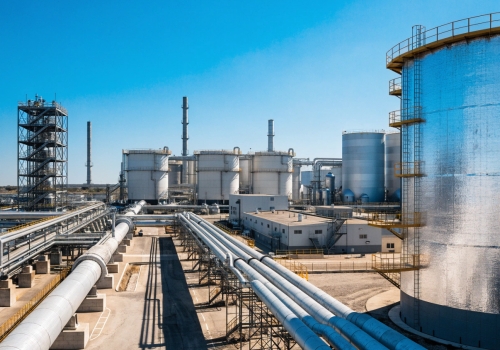
High-pressure oil transport is dangerous. Weak pipes can burst and cause huge disasters. You must use strong materials to keep your pipelines safe. The oil and gas industry uses EFW pipes for both onshore and offshore pipelines. These pipes connect wellheads to processing plants. They carry oil and gas over long distances safely because they handle extreme pressure and resist harsh chemicals.
I always tell my clients to look closely at pressure ratings. The oil and gas sector demands the highest safety standards. EFW pipes consist of high-quality carbon alloys. This material gives the pipe great strength. The welding process makes the seam very solid. You can use these pipes to transport crude oil, natural gas, and refined products. I have supplied pipes to many large projects. I know that corrosion is a big problem. Saltwater and harsh chemicals eat away at normal steel. EFW pipes have special coatings and strong base metals to stop this damage. You will save money on maintenance. You will not need to replace the pipes often. At Centerway Steel, we see many buyers looking for exact specifications. I made a table to show the main uses in this industry.
| Application Area | Main Pipe Requirement | EFW Pipe Benefit |
|---|---|---|
| Onshore Pipelines | Long-distance durability | High strength and stable welds |
| Offshore Platforms | Saltwater corrosion resistance | Custom alloy options and coatings |
| Wellhead Connections | High pressure handling | Thick walls and reliable fusion |
| Refinery Transport | Chemical resistance | Excellent material purity |
Power plants operate under extreme heat and pressure. Standard pipes warp and fail in these conditions. You need specialized pipes to keep the plant running. Power plants use EFW pipes to move high-temperature steam and hot water. Hydroelectric plants use them to move water from dams to turbines. These pipes offer great heat resistance and can take heavy water pressure without breaking.
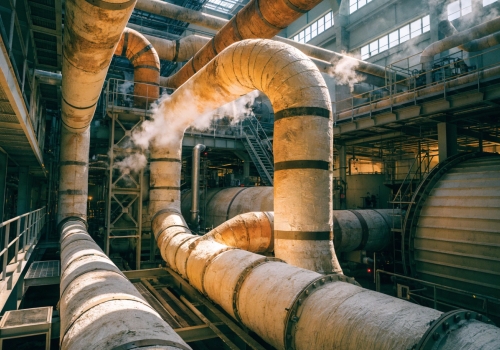
Power generation is a very strict field. Thermal plants burn coal or use nuclear energy to make steam. This steam travels at very high speeds. The steam is also very hot. Normal pipes will melt or crack. EFW pipes can take this heat safely. The electric fusion welding process makes a deep bond. This bond stops leaks completely. I have worked with engineers who design these complex systems. They always ask for pipes with proven heat resistance. Hydroelectric plants have a different problem. They deal with massive water weight. The water drops from high dams and hits the pipes hard. EFW pipes have the structural strength to absorb this shock. You can trust them to last a long time. Centerway Steel supplies pipes for all types of power plants. Here is a breakdown of how different plants use these pipes.
| Power Plant Type | Fluid Transported | Key Challenge Solved by EFW |
|---|---|---|
| Thermal Power | Super-heated Steam | Extreme heat resistance |
| Nuclear Power | Cooling Water | Leak-proof reliability |
| Hydroelectric | High-pressure Water | Impact and pressure resistance |
| Geothermal | Hot Water and Steam | Corrosion from earth minerals |
Weak structural supports cause building collapses. Flimsy plumbing leads to massive water damage. You must choose strong materials to protect your buildings and water systems. The construction industry uses EFW pipes as strong columns and beams for buildings and bridges. In plumbing, large commercial buildings use these pipes for main water lines. They handle high water pressure easily and offer a long lifespan.
I use CAD tools often to review project designs. I see many architects choose EFW pipes for modern buildings. These pipes look clean and hold a lot of weight. You can use them as main support columns. You can also use them in bridge foundations. Bridges vibrate from heavy traffic. EFW pipes absorb this vibration well. They do not crack easily under stress. This keeps the bridge safe for cars and trucks. For plumbing, multi-story buildings need high pressure to push water to the top floors. EFW pipes handle this pressure perfectly. They also resist rust inside the pipe. Clean pipes mean clean water for the people inside the building. I always help my clients find the right size for their specific building. The table below shows the common structural and plumbing uses.
| Building Sector | Specific Application | Reason for Using EFW Pipes |
|---|---|---|
| Commercial Towers | Main water supply lines | Handles multi-story water pressure |
| Bridge Building | Foundation piles and supports | High load-bearing capacity |
| Industrial Sheds | Roof trusses and columns | Easy fabrication and high strength |
| Hospitals | Clean water distribution | Internal corrosion resistance |
Buying the wrong pipe wastes your entire budget. Project delays make your boss angry. You need a clear guide to buy the exact right pipe. You must check pressure ratings, corrosion resistance, and physical sizes before you buy. High-pressure jobs need special thick-walled pipes. Chemical jobs need specific alloy materials. Always match the pipe diameter and thickness to your exact project needs.
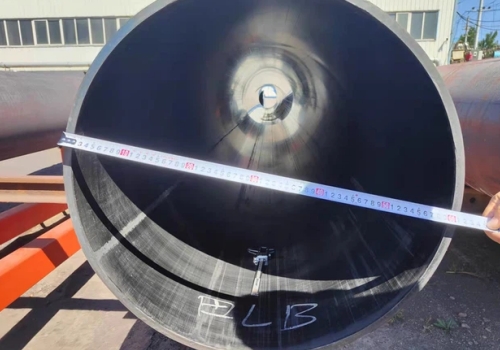
I talk to many purchasing managers every week. They all want to save costs. But you cannot save costs by buying weak pipes. You must look at the data first. First, you need to know your pressure limits. If your fluid moves fast, you need a high-pressure rating. Second, you must look at the environment. Will the pipe sit in dirt, saltwater, or open air? You must pick the right steel grade and coating for that place. Third, you must get the size right. The outside diameter and wall thickness must match your CAD drawings. If they do not match, the pipes will not fit together. This causes huge delays. As a one-stop supplier at Centerway Steel, we check all these details for you. We want to make your sourcing job easy. Check this selection guide.
| Selection Factor | What to Check | Why It Matters |
|---|---|---|
| Pressure Rating | Maximum operating pressure | Prevents pipe bursts and leaks |
| Material Grade | Chemical composition of steel | Ensures corrosion and heat resistance |
| Dimensions | Outer diameter and thickness | Guarantees proper fit and fluid flow |
| Certifications | API, ASTM, or CE marks | Proves the pipe meets safety standards |
Do you have questions about pipe sourcing? Confusion leads to bad buying choices. I have the clear answers you need. Many buyers ask about the welding process, the cost of the pipes, and their main uses. I answer these common questions below to help you understand your pipeline choices better.
What does EFW mean?
EFW stands for Electric Fusion Welded. We use an electric arc to melt the steel and join the pipe edges together. This creates a very strong seam.
How are EFW pipes different from ERW pipes?
ERW uses electrical resistance to heat the metal. EFW uses an electric arc to melt the metal with added filler material. EFW pipes handle higher pressure than ERW pipes. What are the main EFW steel pipe applications? You can use them in oil refineries, power plants, bridge building, and water treatment facilities. They are very versatile and strong.
Can I use EFW pipes for drinking water?
Yes, you can. You must ensure the pipes have the correct internal coating. This coating stops rust and keeps the water clean.
Why should I buy from Centerway Steel?
We are a professional one-stop supplier. We control the quality from start to finish. I always make sure our clients get the exact size and grade they need for their projects.
Diverse EFW steel pipe applications cover the oil, power, and construction sectors. They offer high strength and reliability. Contact Centerway Steel today to find perfect pipes for your next project.



 English
 Español