Pragmatism, Integrity, Passion

Pragmatism, Integrity, Passion

You need reliable gas lines for your EPC construction projects. Incorrect materials cause dangerous leaks. Incorrect materials cause failed inspections. I will show you the exact rules for piping materials. You can technically use galvanized pipe for gas under national codes. Local building inspectors frequently ban it indoors. Modern dry natural gas does not flake the zinc coating. Black iron pipe remains the standard for indoor gas lines. Galvanized pipe suits above-ground outdoor projects perfectly.
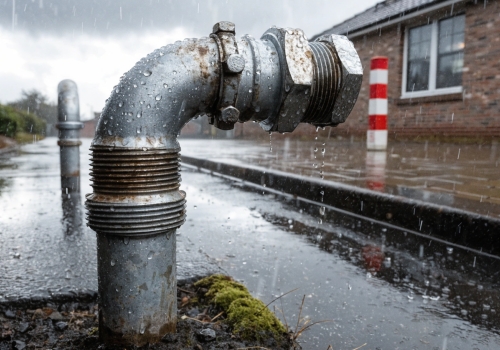
You face pressure to choose the right materials. You want to save costs for your company. Conflicting advice about pipe safety creates confusion. We must examine the actual building codes and the material science.
National codes allow these coated pipes. Local inspectors still reject your finished work. I will explain this legal trap. You will pass your inspections the first time. You must follow local city codes over national standards. The National Fuel Gas Code permits galvanized pipe for gas. Local inspectors rely on historical habits. Local inspectors enforce specific municipal amendments. You must obey local rules to avoid tearing out completed work.
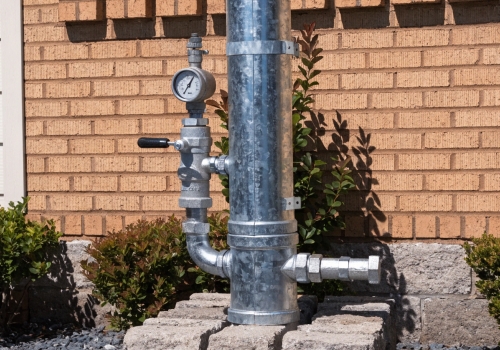
I remember a large commercial project last year. My team installed hundreds of meters of shiny pipe indoors. We followed the national rulebook perfectly. The local inspector arrived at the site. He failed the entire system immediately. He demanded black iron pipe instead. We lost days of labor. We lost thousands of dollars replacing the materials. You must understand the hierarchy of building codes. National guidelines set a baseline for safety. Local authorities create stricter rules based on regional conditions.
| Feature | National Code (NFPA 54) | Local Municipal Codes |
|---|---|---|
| Legal Status | Permitted | Frequently Banned Indoors |
| Focus Area | General safety baselines | Specific local amendments |
| Inspector Attitude | Neutral | Highly strict and traditional |
| Project Impact | Provides general guidance | Dictates final approval |
Old plumbers warn about zinc flakes clogging gas valves. This fear stops you from using durable materials. I will debunk this decades-old plumbing myth right now. Modern natural gas does not destroy zinc coatings. Historical utility companies supplied wet gas containing moisture and sulfur. That sulfur caused internal peeling. Today companies supply highly refined dry gas. This dry gas prevents any chemical reaction with the protective zinc layer.
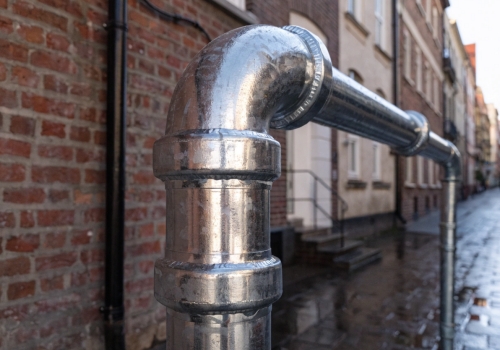
I hear this warning every time I visit a construction site. Veteran workers insist the zinc coating is a ticking time bomb. They believe metal flakes will travel down the line. They think these flakes will destroy expensive equipment regulators. I used to believe this myth myself. I researched the actual chemistry behind gas distribution. The truth lies in fuel processing methods. Past generations used unrefined fuel. Modern infrastructure changed the entire chemical equation.
| Gas Type | Moisture Content | Sulfur Levels | Effect on Zinc Coating |
|---|---|---|---|
| Historical Wet Gas | High | Very High | Causes rapid peeling |
| Modern Dry Gas | Zero | Eliminated | Completely safe and stable |
| Liquid Propane | Zero | Eliminated | Completely safe and stable |
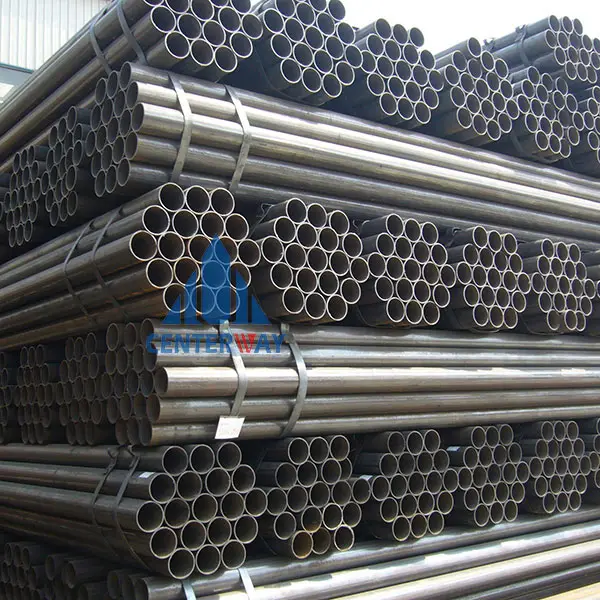
Choosing the wrong pipe material ruins your budget. Weather destroys unprotected steel fast. I will help you match the exact right material to your specific environment. Black iron pipe serves as the gold standard for indoor gas lines. Galvanized pipe excels in above-ground outdoor applications. The zinc coating prevents external weather rust. Neither material survives underground burial without specialized factory coatings.
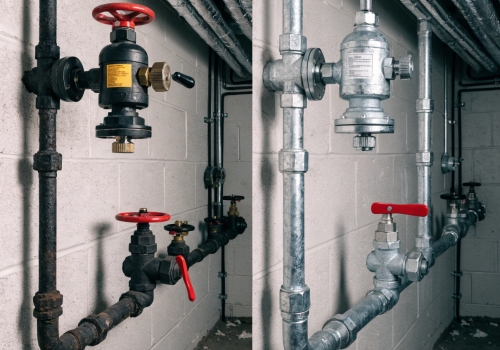
I constantly evaluate material trade-offs as a project buyer. I bought unprotected steel pipes for an outdoor rooftop heater project once. The rain rusted the entire system within three weeks. I had to replace everything. I learned to match the pipe coating to the physical environment. Black iron lacks a protective zinc layer. It costs less. It passes every indoor inspection. It rusts immediately outside. The zinc-coated alternative resists harsh weather perfectly.
| Installation Environment | Recommended Material | Primary Reason |
|---|---|---|
| Indoor Gas Lines | Black Iron Pipe | Universal code acceptance |
| Outdoor Above-Ground | Galvanized Steel Pipe | Zinc stops external rust |
| Underground Burial | Factory-Coated Steel | Soil moisture destroys metal |
Poor installation practices create silent gas leaks. Hidden leaks destroy commercial buildings. I will share professional installation secrets to secure your piping systems. You must use heavy-duty yellow Teflon tape for gas fittings. Natural gas degrades standard white water tape. You must use two heavy pipe wrenches during assembly. The two-wrench method prevents loose hidden joints inside walls. These steps guarantee a secure gas line.
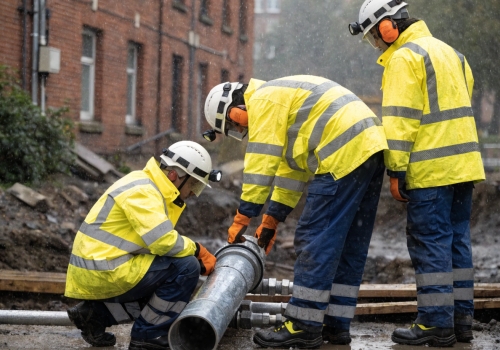
I watch installation teams work every week. I see contractors make basic assembly mistakes. They use the wrong sealing tape. They try to work too fast. I always stop the work. I force them to use the correct methods. You must select the right sealing compound first. White Teflon tape belongs on water pipes only. The chemicals in natural gas dissolve white tape. You must buy yellow Teflon tape. Manufacturers design yellow tape specifically for gas lines.
| Installation Step | Incorrect Method | Correct Method |
|---|---|---|
| Thread Sealing | White water tape | Yellow gas-rated tape |
| Tape Application | Covering all threads | Leaving first two threads bare |
| Tightening Joints | One wrench method | Two wrench backup method |
| Leak Testing | Skipping tests | Spraying soapy water on joints |
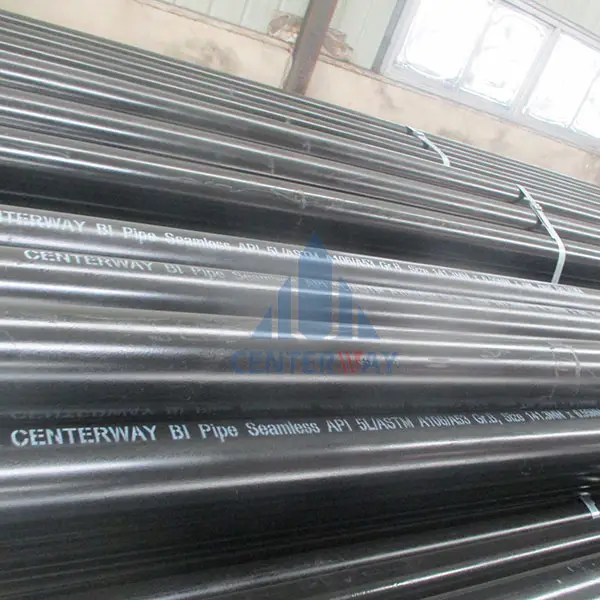
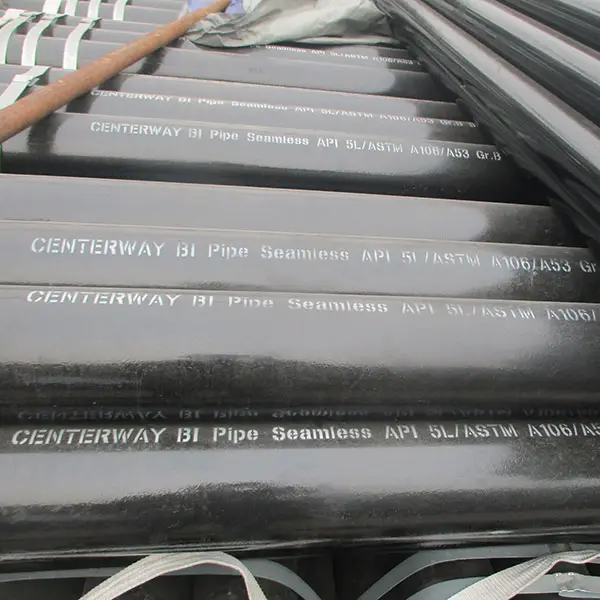
You must understand local building codes before using galvanized pipe for gas. Centerway Steel provides high-quality galvanized steel pipe to meet your strict EPC project demands safely.



 English
 Español