Pragmatism, Integrity, Passion

Pragmatism, Integrity, Passion

You need strong steel pipes for big construction projects. Weak pipes cause leaks and cost you money. I will show you how special welding solves this problem. Helical submerged arc welding is a process that forms a hot-rolled steel strip into a spiral shape. Machines join the edges under a layer of flux. This creates a highly durable pipe. We use this method to make large-diameter pipes for long-distance pipelines and heavy construction.
You might worry about finding a reliable supplier. I have helped many buyers solve this problem. Read on to see the exact details you need to know.
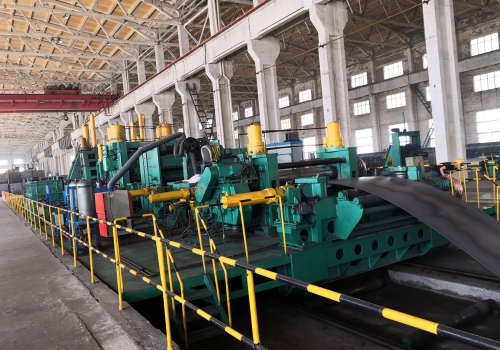
Bad manufacturing steps lead to weak steel tubes. You face project delays if pipes fail tests. I will explain the correct production steps here. The process starts by unrolling and flattening a steel coil. Rollers bend the flat steel into a spiral angle. The machine then applies helical submerged arc welding to the inside and outside seams. This continuous method produces reliable pipes of many sizes. I want to break down these steps for you. First, we prepare the steel coil. We inspect the huge steel roll for any rust. We cut the edges to make them smooth. This step ensures the edges fit together perfectly. Next, we use the forming machine. We feed the steel strip at a specific angle. This angle decides the final size of the pipe. We can make different sizes from the same steel width. After that, we start the welding. The machine hides the electric arc under special sand called flux. This flux keeps air out of the hot metal. We weld the inside first. Then we weld the outside. This double-sided weld makes the joint very strong.
Sometimes the welding makes the steel tight and stressed. We heat the pipe to relax the metal. We also use a big tool inside the pipe to push it out. This makes the pipe perfectly round. I remember a recent project we did for a water line in Australia. The buyer needed exact roundness for easy joining in the field. We expanded every single pipe. They finished the job two weeks early because the pipes fit so well.
| Production Step | Main Action | Result |
|---|---|---|
| Coil Prep | Flatten and mill edges | Clean steel ready for forming |
| Forming | Bend steel at an angle | Spiral shape created |
| Welding | Double-sided submerged arc | Strong, sealed pipe |
| Finishing | Expand and check roundness | Perfect size and shape |
High material costs ruin your project budget. Straight seam pipes can be too expensive for large sizes. I will show you why spiral pipes save money. These spiral welded pipes cost less for large diameters because we make them from narrow steel coils. The spiral seam spreads pressure evenly. This makes the pipe very strong. Factories can also produce very long lengths. This means you need fewer connections on your job site.
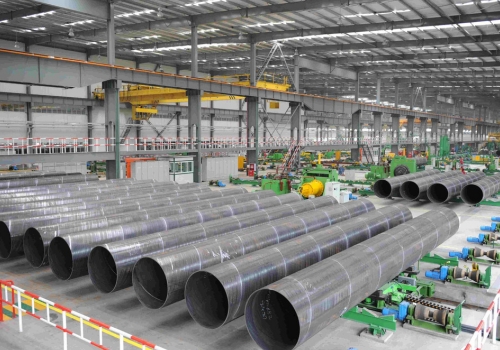
You need to understand the real benefits. Cost is the biggest reason. We can make a 100-inch pipe from a standard steel coil. Straight seam pipes need a very wide steel plate. Wide plates cost much more money. I always tell buyers that helical submerged arc welding gives them more flexibility. The spiral shape acts like a spring. It handles water pressure or gas pressure very well.
The spiral seam stops cracks from growing long. If a crack starts, the spiral shape slows it down. This keeps your pipeline safe. We shipped 5,000 tons of these pipes to a mining site in Western Australia last year. The ground there moves and shakes a lot. The engineers chose our spiral pipes. They bend without breaking.
| Feature | Spiral Welded Pipe | Straight Seam Pipe |
|---|---|---|
| Cost for large size | Low | High |
| Raw material | Narrow steel coil | Wide steel plate |
| Crack resistance | Very high | Moderate |
| Maximum length | Very long | Limited by plate length |
Leaking pipes cause terrible environmental damage. You do not want to fail a site inspection. I will share our strict quality tests with you. We test every single pipe before it leaves our factory. We use sound waves and X-rays to check the welds. We also fill the pipe with water and apply high pressure. These steps ensure your pipes will never fail under normal working conditions. Quality control is the most important part of my job. You cannot just look at a weld and know it is safe. We use special machines to look inside the metal.
We start with Ultrasonic Testing. This machine sends sound waves into the steel. The sound bounces back if it hits a hole. We also use Radiographic Testing. This is like an X-ray for metal. It shows us a clear picture of the inside weld. We do not stop there. We use a hydrostatic test. We cap both ends of the pipe. We fill it with water. We push the pressure up very high. We hold it there and check for any water drops.
We had an Australian client building a coastal water plant. They sent their own inspector to our factory. The inspector watched our hydrostatic tests for three days. Every pipe passed perfectly. He was very happy.
| Test Type | What We Check | Why We Do It |
|---|---|---|
| Visual Check | Surface and shape | To find simple outside mistakes |
| Ultrasonic | Inside the weld | To find tiny hidden cracks |
| X-Ray | Weld quality | To see the full metal bond |
| Hydrostatic | Water pressure limit | To prove the pipe will not leak |
You still have many questions before you buy. Unanswered questions make you hesitate and delay your work. I will answer the most common questions now. Buyers often ask about sizes, standards, and uses. We make pipes from 20 inches to over 100 inches. Our pipes meet API 5L and ASTM standards. You can use them for water lines, oil transport, and deep building foundations.
I talk to many buyers every week. They all ask similar things. I want to give you clear answers here.
Q: What sizes can you produce with helical submerged arc welding?
A: We produce pipes from 20 inches up to more than 100 inches in diameter. We adjust the forming machine angle to change the size. Question: Do your pipes meet international standards? Answer: Yes, they do. We strictly follow API 5L, ASTM, and other major global standards. We test everything to ensure full compliance.
Q: Can you ship these large pipes to Australia safely?
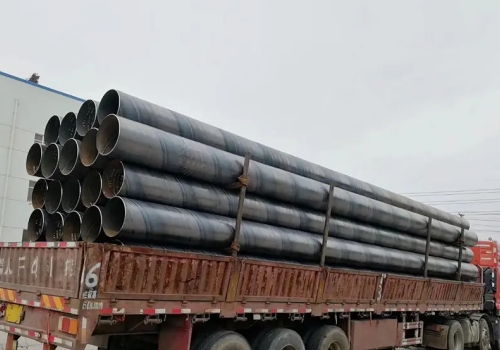
A: Yes, we can. We have rich experience in exporting. We pack the pipes carefully. We use special caps to protect the ends. We secure them on ships. They do not move during the long trip.
Q: What industries use these pipes the most?
A: Many industries use them. Oil and gas companies use them for long pipelines. City councils use them for main water pipes. Construction companies use them for piling and bridge supports.
Q: How long does it take to produce a large order?
A: It depends on the size of the order. Our factory runs continuously. We usually finish standard large orders in a few weeks. I hope these direct answers help you make a good choice. We are always ready to help you source the best materials.
We make strong pipes using helical submerged arc welding. We strictly test every pipe for your safety. Centerway Steel is your reliable partner for all your pipeline needs.



 English
 Español