Pragmatism, Integrity, Passion

Pragmatism, Integrity, Passion

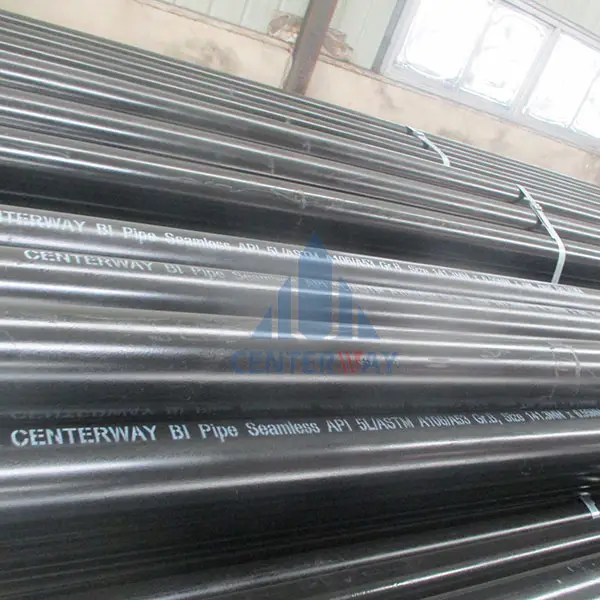
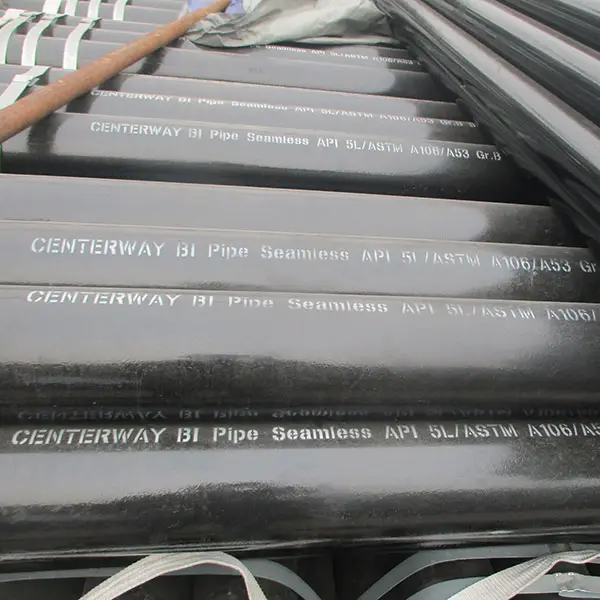
Buying steel pipes is a huge investment. Seeing them rust or bend before installation destroys your budget. I will show you how to protect your pipes from completely failing. To understand how to store ssaw steel pipe properly, keep it in a dry area away from sunlight. Stack pipes horizontally using wooden spacers, limit stacking height to 1.5 meters, and perform monthly inspections to spot any rust or pipe deformation early. Follow these simple steps to keep your materials safe and ready for your project.
Moisture and salt eat bare metal. If you leave pipes exposed outside, deep rust forms in just days. You must create the right storage environment. Store your pipes in covered sheds to block rain and sun. If you must use outdoor storage, raise the pipes off the ground with thick wooden blocks and cover the entire stack tightly with waterproof tarps to stop water damage.
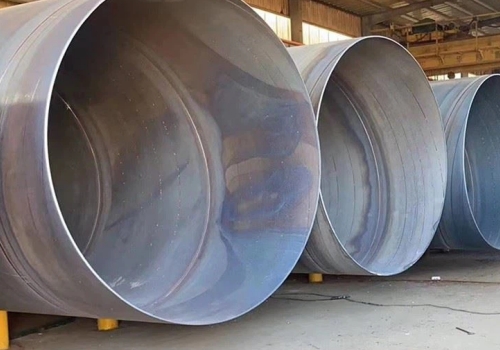
The location you choose makes a huge difference. During a recent water transportation project in Australia, we had to store pipes near the coast. The salty ocean air is brutal on raw steel. I learned quickly that indoor storage is always the best choice. If you must store pipes outside, you have to create a physical barrier. We put the pipes on thick wooden blocks to keep them away from the wet soil. Then, we covered the entire stack with heavy-duty waterproof tarps. You must tie these tarps down tightly so the wind does not blow them away. You also need to think about air flow. If you seal the pipes too tightly, condensation builds up inside the tarp. This trapped water causes rust just as fast as rain. Leave the ends slightly open to let the wind blow through. Here are the main environmental factors you must control:
· Sunlight: UV rays break down anti-corrosion coatings over time.
· Salt: Coastal areas require extra protective coatings or enclosed spaces.
· Air flow: Good ventilation stops condensation from forming on the steel surface.
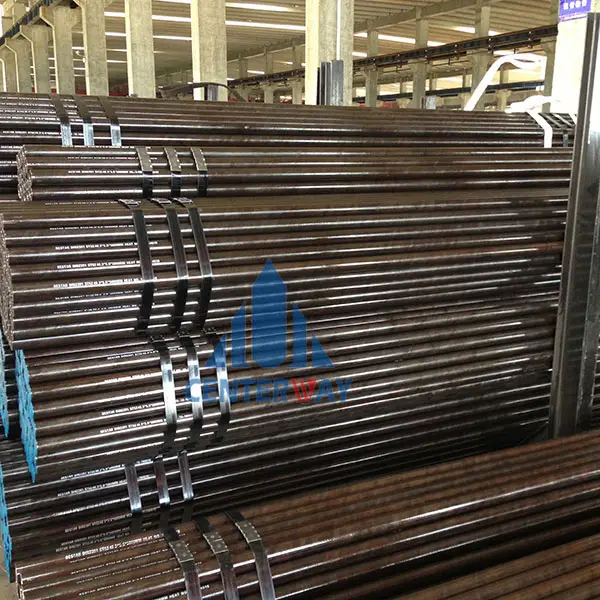
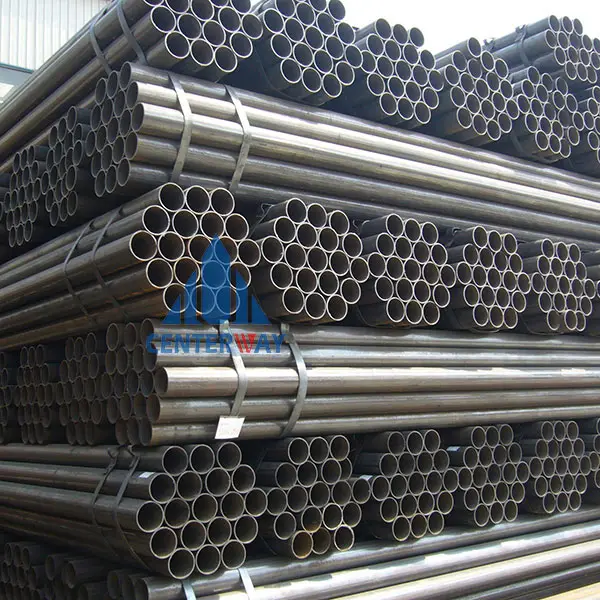
Heavy stacks crush bottom pipes. Deformed pipes fail site quality checks and stop your whole project. You must use the correct stacking method. Stack SSAW steel pipes horizontally and place wooden or rubber spacers between every layer. Align all spacers in a straight vertical line to spread the weight evenly. Group similar pipe sizes together and align the ends.
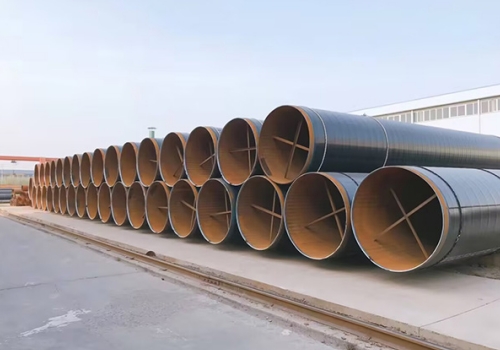
Stacking pipes directly on top of each other is a bad idea. The heavy weight creates pressure points that bend the steel. I always tell my warehouse team to use spacers. When you place a soft barrier between the metal layers, you protect the pipe shape and the surface coating. You must align these spacers in a perfectly straight vertical line. If you place a spacer in the middle of one layer and at the ends of the next layer, the uneven pressure will bend the pipes. For large diameter pipes, we use curved cradles. These cradles wrap around the bottom of the pipe and spread the weight across a larger area. Do not mix different pipe sizes in the same stack. Small pipes do not sit well on large pipes, and the whole pile becomes unstable. Here is a breakdown of common spacer materials we use:
| Spacer Material | Cost Level | Best Use Case |
|---|---|---|
| Hardwood Blocks | Low | General storage for thick-wall bare pipes |
| Rubber Mats | Medium | Pipes with painted or epoxy surface coatings |
| Molded Cradles | High | Very large diameter and thin-wall pipes |
Piling pipes too high saves yard space but destroys your materials. The massive weight causes severe ovality. You must control your stack height. Keep your maximum stacking height for SSAW steel pipe under 1.5 meters. You must lower this height limit if you store pipes with very large diameters or thin walls to stop the bottom layers from bending.
You cannot use one rule for all pipes. The 1.5-meter limit is a safe starting point, but you must adjust based on what you are storing. If you store heavy, thick-walled pipes, they can handle more weight. If you store large-diameter pipes with thin walls, they act like empty soda cans under pressure. They will flatten if you stack them too high. I always calculate the risk before building a stack. If we plan to keep the pipes in the yard for six months, I keep the stacks very low. Over a long time, even a small amount of extra weight causes permanent shape changes. Also, lower stacks are much safer for forklift drivers to handle. Consider these factors when you decide how high to stack:
1. Pipe diameter: Big pipes need lower stacks because they weigh more.
2. Wall thickness: Thin walls bend easily and need low stacks.
3. Material strength: High-grade steel holds its shape better than standard steel.
4. Storage time: Keep stacks lower if you plan to store them for many months.
Hidden rust spots grow fast. Finding damage on installation day ruins your schedule and costs money. You need a strict inspection routine. Inspect your stored pipes every month for surface rust, peeling coatings, and bent edges. Check that all plastic end caps remain tightly fitted and your storage ground stays completely dry. Fix small problems immediately.
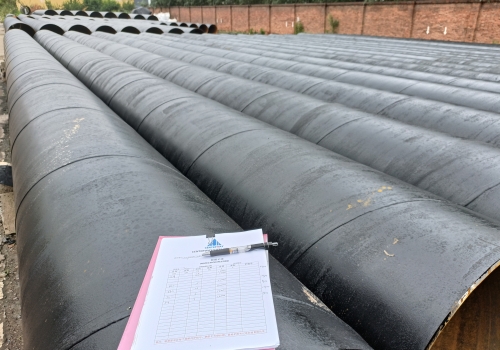
You cannot just leave pipes in a yard and forget about them. I remember an early project where we left a batch of pipes covered for three months without checking them. A small hole in the tarp let rain inside, and we lost thousands of dollars cleaning the rust. Since then, I make sure someone walks the yard every month. When you inspect the pipes, start with the ends. The beveled ends are the most sensitive part. If they rust or bend, you cannot weld them properly. Check the plastic end caps to make sure they are still tight. Next, look along the body of the pipes. Look for chipped paint, peeling coatings, or water pooling under the stack. If you see rust starting, clean it off and apply a rust inhibitor right away. Your monthly checklist must include:
· End caps: Make sure none are missing, cracked, or loose.
· Coating checks: Look for deep scratches or peeling sections.
· Stack shape: Ensure the stack is stable and not leaning to one side.
· Ground moisture: Check for mud or standing water under the wooden base blocks.
You probably have specific storage questions. Guessing the wrong answer leads to damaged pipes. Here are direct answers to common storage problems. We answer your top questions about outdoor storage limits, dirt removal, and lifting tools. These quick answers help your team handle pipes safely and avoid the most common yard storage mistakes.
Q: How long can I store SSAW pipes outdoors without damage?
A: If you use heavy tarps, wooden blocks, and good ventilation, you can store them outside safely for three to six months. Beyond six months, you must move them indoors to prevent coating degradation and deep rust.
Q: Do I need to clean the pipes before putting them into storage?
A: Yes. You must remove dirt, mud, and water before stacking them. Dirt traps moisture against the steel, which speeds up the rusting process.
Q: What equipment should I use to move the pipes in and out of storage?
A: Use forklifts with padded forks or cranes with nylon slings. Never use metal chains or bare steel wire ropes, because they scratch the protective coating and dent the pipe edges.
Q: How do I protect the internal surface of the pipe during yard storage?
A: The best way is to use tight-fitting plastic or metal end caps. This keeps dirt, rain, and animals out of the pipe interior while it sits in your yard.
Knowing how to store ssaw steel pipe saves money. Need a reliable one-stop supplier? Contact Centerway Steel today for top-quality pipeline solutions.



 English
 Español