Pragmatism, Integrity, Passion

Pragmatism, Integrity, Passion

Rust ruins pipes. Failing to clean them cuts lifespan and wastes budget. I will show you simple ways to prepare SSAW pipes for long-term use. Proper spiral pipe cleaning removes rust, oil, and scale before coating. The best methods include solvent washing, mechanical rust removal, and acid treatment. These steps ensure high-quality surface prep, extending pipe life in water supply, oil, and construction projects.
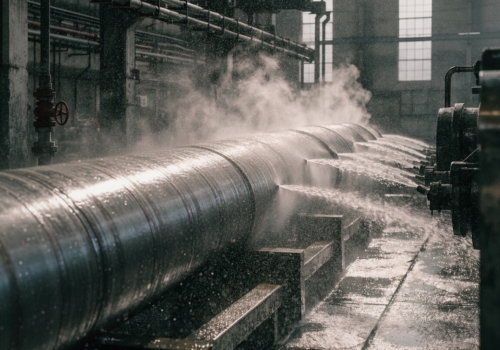
Getting the surface right is the key to any successful project. Let me break down the specific steps we use to keep pipes in perfect condition.
Grease and dust block anti-corrosion layers. If you skip washing, coatings will fail fast. Solvents fix this problem by clearing organic dirt quickly. Solvent cleaning uses chemical emulsions to wash away oil, grease, dust, and organic compounds from the steel surface. This step is a basic but essential part of spiral pipe cleaning. It prepares the pipe for deeper rust removal later.
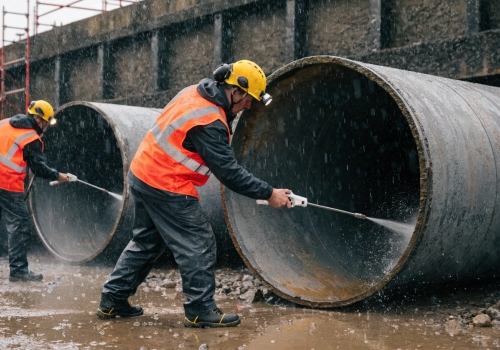
When we supply SSAW pipes for large projects, we always start with solvent washing. I have seen many buyers ignore this step. They think wire brushing is enough. But oil stops the final coating from sticking to the metal. We use special solvents to wash the large-diameter spiral steel pipes. This removes all the dust and cleaners left on the surface. I remember a big water supply project we did in Africa. The client needed pipes that could handle hot weather and rough shipping. We made sure to wash every pipe carefully. This first step does not remove rust. It only removes dirt and oil. So, we use it as an aid in anti-corrosion production. You must use it before you start brushing or blasting. We do this to ensure one-stop pipeline product services for our global customers. By integrating production and careful prep work, we save costs for your company.
| Dirt Type | Removal Method | Result |
|---|---|---|
| Dust | Solvent wipe | Clean surface |
| Heavy Oil | Emulsion wash | No grease left |
| Rust | Not effective | Needs next step |
Loose rust destroys paint grip. Leaving rust on the metal causes leaks later on. Mechanical wire brushing clears loose scale so paint sticks tight. Mechanical derusting uses wire brushes and power tools to strip loose rust and welding slag. Hand tools reach the Sa2 standard, while power tools reach Sa3. If thick scale remains, this method alone is not enough for proper anti-corrosion construction.
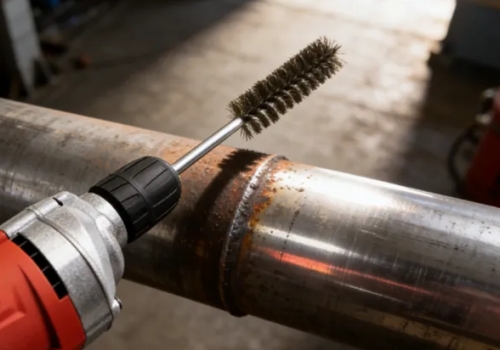
After washing the pipe, you must remove the rust. We clean the steel surface with special tools. We use wire brushes to scrub off loose rust and welding powder. Hand tools can achieve the Sa2 level of clean. Power tools can achieve the Sa3 level. When I talk to EPC buyers in Europe, they always ask about these standards. They need high precision and high strength for their urban pipeline networks. I tell them that mechanical brushing is great for loose dirt. But it has limits. If the steel surface has strong oxide scale attached to it, brushing is not ideal. The anchor pattern height will not reach the anti-corrosion construction standard. In these cases, we must use stronger methods. Our production bases have the right tools to handle these heavy thickness pipes. We ensure every pipe meets the strict CE and TUV standards before it ships to your site.
| Tool Type | Rust Level Reached | Best For |
|---|---|---|
| Hand wire brush | Sa2 | Light, loose rust |
| Power tools | Sa3 | Medium rust, slag |
| Sandblasting | Sa2.5 to Sa3 | Strong oxide scale |
Stubborn scale resists wire brushes. Hard rust ruins project quality. Acid treatment eats away old coatings and deep rust, giving you a clean base. Acid treatment uses chemicals to dissolve thick scale, deep rust, and old paint. It serves as a strong spiral pipe cleaning option. But it creates shallow anchor patterns and requires careful water rinsing to protect the environment.
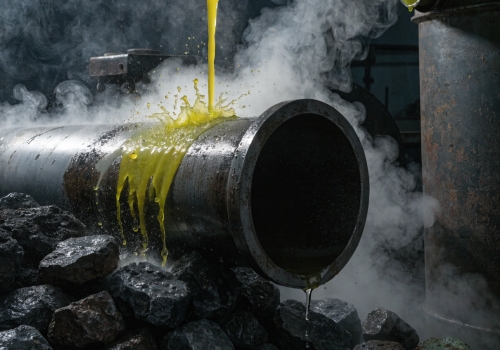
Sometimes mechanical tools cannot finish the job. We use chemical and electrolytic methods to clean large-diameter spiral steel pipes. Chemical treatment removes hard scale and old coatings. We often use it as a second step after sandblasting. Chemical cleaning makes the surface clean and rough. But we must be careful. I have worked with mining and port construction projects in Australia. They care a lot about the environment. Chemical cleaning can pollute the land and water if we do not manage it well. Also, the anchor pattern it leaves is shallow. We follow strict rules during this step. First, the cleaning agent must not contain granular abrasives. Abrasives will scratch the pipe surface. Second, we scrub in order according to the direction of the metal hairline. Third, we wash the pipe with plenty of water. After rinsing, we dry it with a dry cloth. This stops new rust from forming. These careful steps provide high-quality pipes and peace of mind for your engineering projects.
| Cleaning Rule | Reason | Action |
|---|---|---|
| No abrasives | Prevent scratches | Use pure liquid |
| Follow hairline | Keep surface smooth | Scrub in one direction |
| Rinse well | Stop chemical damage | Wash with clean water |
Proper cleaning with solvents, brushes, and acids ensures your spiral pipes last longer. These clear steps prevent rust, save costs, and keep your pipeline projects strong and safe.



 English
 Español