Pragmatism, Integrity, Passion

Pragmatism, Integrity, Passion

Are frequent pipeline leaks driving up your project costs? Bad setups cause delays and waste money. I will share the best ways to get your pipes installed right. A successful piping system installation requires choosing the correct materials, sizing pipes accurately, securing all connections, managing temperature limits, and following industry safety codes. These steps stop leaks, lower repair costs, and keep your whole project safe.
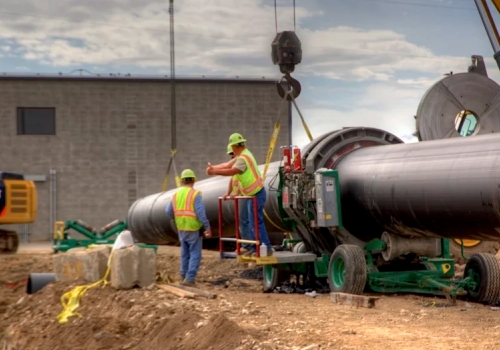
Let me show you exactly how to handle these challenges. You will see why missing even one step can ruin your entire pipeline project.
Using the wrong pipe material leads to fast corrosion. This forces you to replace parts early and lose money. You must pick materials that fit your specific project needs. To choose the right materials, you must check the fluid type, system pressure, and outside environment. Carbon steel works well for regular use, while stainless steel handles harsh chemicals. Matching the material to the job stops corrosion and makes the pipes last longer.
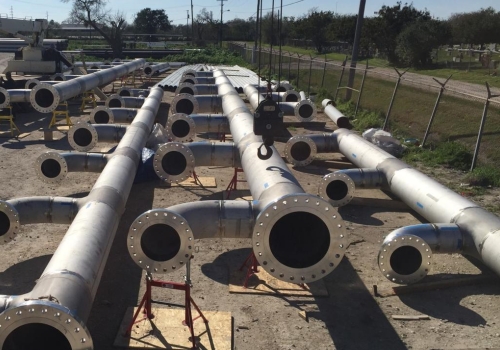
When I started in the construction industry 18 years ago, I saw a big project fail. The team picked the wrong steel grade. It taught me a huge lesson. You cannot just guess what pipe to buy. You have to look at the details. We need to think about what goes inside the pipe. Is it water, oil, or gas? We also need to think about the weather outside.
To help you decide, I always use a simple chart. It helps my team and my clients see the differences clearly. Here is a basic guide to help you choose the right pipe material.
| Material Type | Best Used For | Main Benefit | Main Problem |
|---|---|---|---|
| Carbon Steel | Oil, gas, water lines | Very strong and cheap | Can rust if not coated |
| Stainless Steel | Chemicals, food pipes | Will not rust easily | Costs more money |
| SSAW Steel Pipe | Large water and gas lines | Good for large diameters | Needs careful welding |
At Centerway Steel, we supply many types of pipes. I always tell buyers to look at this table first. It saves time. It prevents bad choices. If you choose correctly, your whole project runs smooth.
Small pipes slow down flow and build up pressure. Huge pipes waste your money and take up too much space. Getting the size right solves both problems. Accurate pipe sizing keeps the fluid flowing at the right speed and drops the pressure safely. It stops clogs, limits pipe stress, and saves you money. You must calculate the flow rate and pressure needs before you buy any pipes. Many EPC companies try to save money. They guess the pipe sizes. I did this once early in my career. The pipes shook so much. We had to replace them. The pressure was simply too high for the narrow space. The sizing step in any piping system installation is not a place to cut corners. If the pipe is too small, the pump has to work much harder. This breaks the pump quickly.
Let us look at what exactly happens when you get the sizing wrong. I have broken it down into a clear table. You can use this to avoid these mistakes in your own designs.
| Sizing Mistake | System Problem | Cost Impact |
|---|---|---|
| Pipe Too Small | High pressure, fast wear, clogs | Very high repair costs |
| Pipe Too Large | Low pressure, wasted space | High initial buying costs |
| Correct Size | Smooth flow, safe pressure | Saves money over time |
You need to talk with your engineers. You must find the exact middle ground. Using CAD tools helps a lot here. It lets you see how the pipes fit before you actually lay them down. Always double-check your numbers.
A loose joint causes dangerous gas or liquid leaks. This puts your workers at risk and stops the job. You must secure every connection tightly. To ensure secure connections, you must align flanges perfectly, use the right seals, and tighten bolts to the correct torque. Using high-quality fittings and welding properly stops leaks completely. This protects the environment and keeps your workers safe.
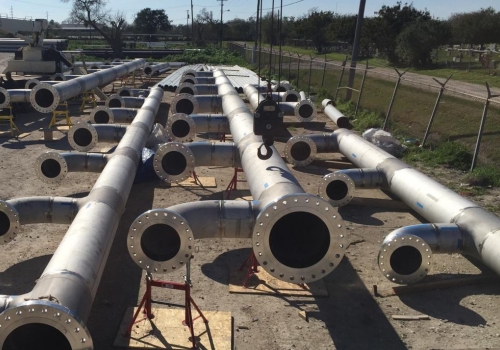
The safety reports note thousands of serious leaks over the years. Most of these come from bad connections. They do not come from bad pipes. I remember a time when a cheap flange seal caused a massive water leak on our site. We had to shut down for three days. You must treat every joint like it is the most important part of the pipeline.
Securing pipes takes skill. It takes focus. You cannot rush it. Here is how my team approaches every single joint.
| Connection Step | Action Required | Why It Matters |
|---|---|---|
| Alignment | Line up pipes straight | Stops stress on the bolts |
| Sealing | Insert a fresh gasket | Blocks fluid from escaping |
| Bolting | Tighten bolts evenly | Keeps pressure balanced |
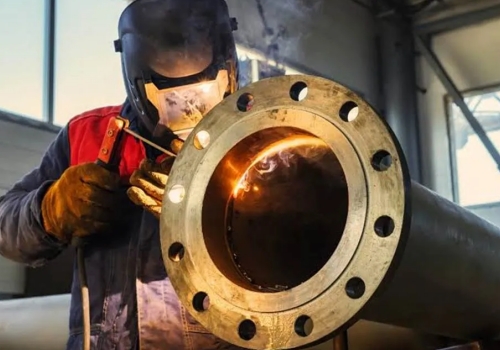
| Welding | Use certified welders | Makes the joint permanent |
When you buy from a one-stop supplier like us, you get pipes and fittings that match perfectly. This makes the assembly much easier. If the parts fit well, the risk of a leak drops to almost zero.
High heat makes pipes expand. Cold makes them shrink. Pressure changes can make them burst. You must plan for these forces to avoid disasters. Temperature and pressure changes stress the pipe material and joints. To keep the system safe, you must use expansion loops, strong supports, and pressure relief valves. Knowing the exact working environment helps you pick parts that handle these extreme changes safely. I often see designers forget about thermal expansion. If you run hot water through a long steel pipe, the pipe will actually grow longer. If there is no room for it to grow, it will push against the walls. It will bend. This will break the pipe brackets and cause a major failure. Pressure spikes work the same way. A sudden stop in fluid flow hits the pipe walls like a hammer.
You have to build flexibility into your design. You must add safety limits. We always ask our clients about their working conditions before we ship the pipes.
| Stress Factor | What Happens to Pipe | How to Fix It |
|---|---|---|
| High Heat | Pipe gets longer | Use expansion joints |
| Freezing Cold | Pipe gets shorter or cracks | Add heavy insulation |
| Pressure Spikes | Sudden force hits the joints | Install relief valves |
By planning for the worst conditions, you protect your investment. You ensure the pipes stay where they belong. Always think about what will happen to the pipeline in summer and in winter.
Ignoring safety rules leads to huge fines and unsafe work sites. It can even get your company shut down. You must follow the laws strictly. Following industry codes like ASME or ASTM ensures your pipes meet global safety and quality standards. These rules guide your material choices, testing methods, and installation practices. Staying compliant protects your company from legal trouble and guarantees the pipeline works safely. I worked on a big international EPC project once. The local inspectors checked every single document we had. If we did not have the right stamps on our steel pipes, they would not let us bury them in the ground. Codes are not just annoying rules. They are based on past mistakes. They exist to keep people alive. They exist to keep the environment clean.
As a purchaser or designer, you need to know which rules apply to your job. At Centerway Steel, all our products pass these strict tests.
| Standard Name | What It Covers | Why You Need It |
|---|---|---|
| ASTM | Material quality and strength | Ensures the steel is good |
| ASME | Pressure limits and safety | Stops pipes from bursting |
| ISO 9001 | Factory management quality | Proves the supplier is reliable |
Always ask your supplier for their certificates before you buy. If they cannot show you the papers, do not buy from them. Following the rules from the very beginning saves you from endless headaches later.
A successful project needs the right materials, exact sizes, tight joints, temperature control, and strict rule following. Doing these steps right ensures your pipeline runs safely for many years.



 English
 Español