Pragmatism, Integrity, Passion

Pragmatism, Integrity, Passion

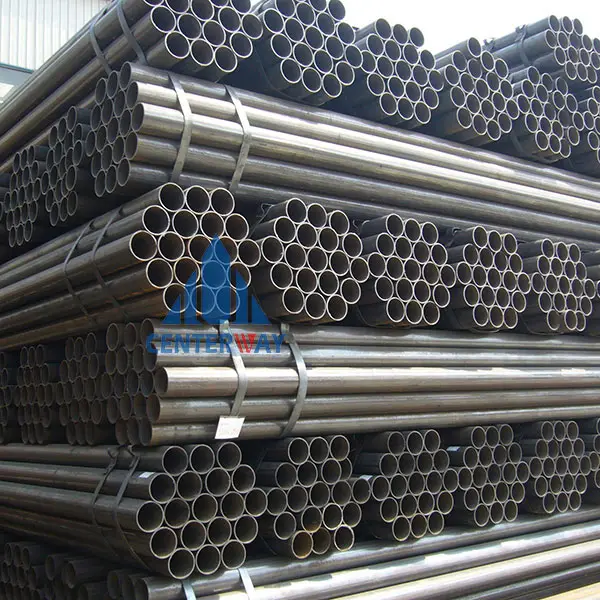
You need strong steel pipes for a big project. You worry about weak welds causing leaks. I will show you why HFW pipes solve this problem easily. You might ask what is hfw pipe. It stands for High-Frequency Welded pipe. Factories make this pipe with electric resistance welding. They use high-frequency currents of 70 kHz or more. This process joins the steel edges strongly. It does not use any extra filler metal.
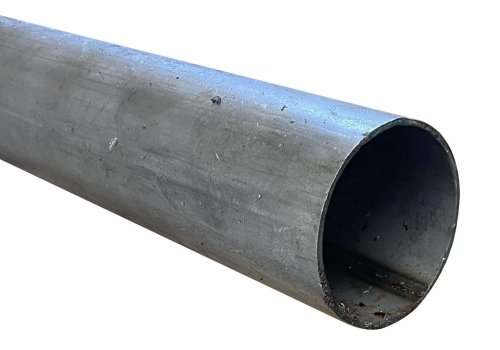
You might think all welded pipes look the same. You will change your mind after you learn the secrets behind these pipes.
Bad manufacturing steps lead to pipeline failures. You lose time and money. You must know the exact steps factories take to make these pipes safe. Workers bend a flat steel coil into a round shape. High-frequency electricity heats the steel edges. Rollers press the hot edges together to make a solid seam. Workers then remove the extra weld metal. This makes the surface very smooth.
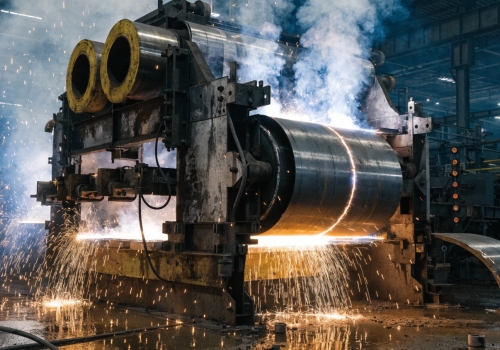
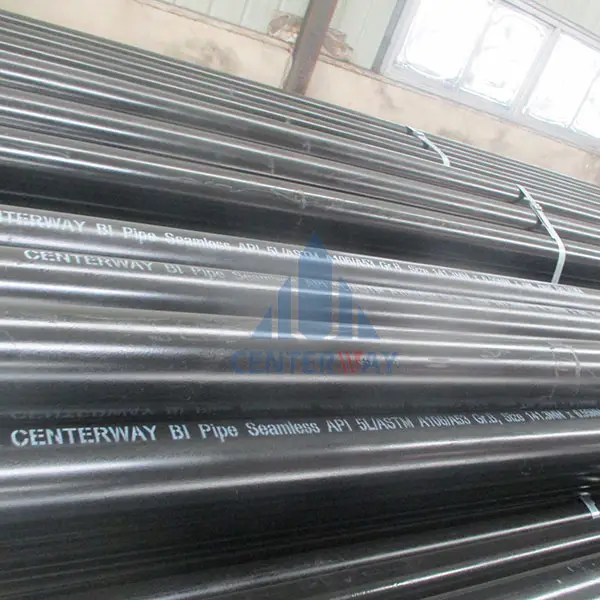
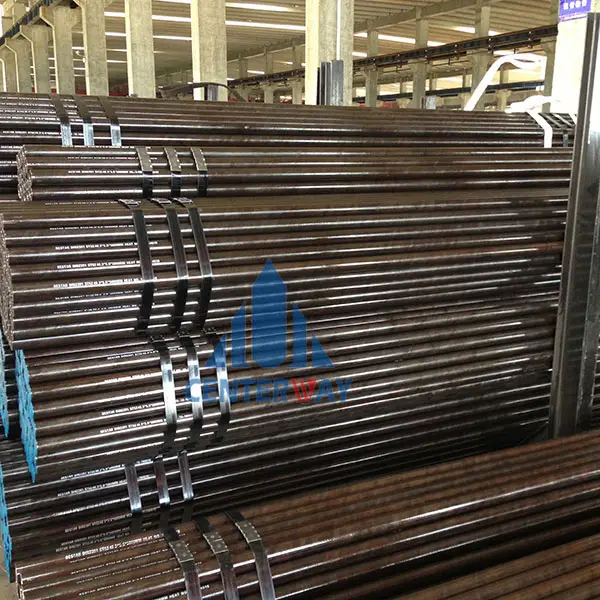
I have worked as a purchasing manager for an EPC company for 18 years. I visit many steel pipe factories. Centerway Steel has a great production line for these products. I always watch their manufacturing process closely. They start with high-quality steel coils. They unroll the steel. They clean the edges of the steel.
Machines bend the flat steel into a pipe shape. They use high-frequency currents to heat the edges. They do not use any extra welding wire. They just press the hot edges together. The heat and pressure make a perfect bond.
Workers cut the extra metal beads from the inside and outside. They cool the steel pipe with water. They put the pipe through a special sizing machine. This machine makes the pipe perfectly round. Workers cut the pipe to the exact length. The factory workers then test the weld seam. They use ultrasonic testing machines. They also use X-ray machines.
| Process Step | Action Taken | Result |
|---|---|---|
| Forming | Rollers bend the flat steel | Creates a round pipe blank |
| HF Welding | High current heats edges | Joins the pipe without filler |
| Bead Removal | Scraping tools cut extra metal | Makes the weld seam smooth |
| NDT Testing | Ultrasonic or X-ray scan | Finds any hidden weld defects |
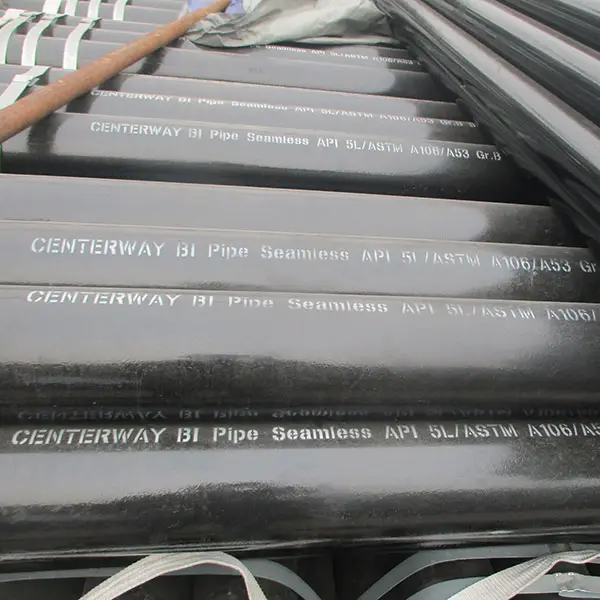
You need pipes for different jobs like water lines or building frames. Choosing the wrong pipe causes big delays. You need to pick the right standard for your project. You can use HFW steel pipes to transport oil, natural gas, and water safely. Builders also use them for structural frames and bridges. Factories make these pipes to match strict international rules like API 5L, ASTM A53, and EN 10219.
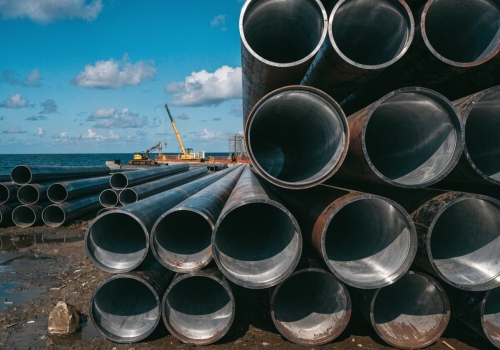
My engineering teams often ask me what is hfw pipe good for. I tell them it is perfect for many construction and pipeline jobs. The fast production speed keeps our costs low. The quality is very stable because machines control the welding process. I have bought thousands of tons of these pipes for major EPC projects. We use them for urban water networks. We use them for large factory buildings. We use them because they cost less money. They also take less time to make. You can order many different sizes. Centerway Steel makes pipes from 73 mm up to 660.4 mm in outside diameter. They make wall thicknesses from 3 mm to 22 mm.
Different projects need different pipe standards. I check the standard before I place an order. Centerway Steel can meet many global rules.
| Standard | Main Purpose | My Common Usage |
|---|---|---|
| API 5L | Oil and gas line pipe | Energy transport projects |
| ASTM A53 | General welded pipe | Water lines and simple structural use |
| EN 10219 | Cold-formed structural pipe | Building frames and supports |
| ASTM A252 | Steel pipe piles | Deep foundations for heavy buildings |
People confuse pipe names. This confusion causes you to buy the wrong product. You need to know the clear difference to make good choices. ERW means Electric Resistance Welding. It is a big category. HFW is a specific type of ERW that uses high-frequency currents. Old ERW used low-frequency currents. Those old welds often failed. Today, when people say ERW, they almost always mean HFW.
I talk to many new engineers at my EPC company. They look at drawings. They ask me what is hfw pipe and how it differs from ERW. I always explain this clearly. ERW is the main family name. HFW is the best child in that family. In the past, factories used low-frequency welding. We call this LFW. LFW caused many weld cracks. It was not safe for pressure pipes. The industry stopped using LFW for most jobs.
Now, factories use high-frequency currents. API 5L says high-frequency must be 70 kHz or higher. EN standards say it must be 100 kHz or higher. The current heats the steel edges very fast. High-frequency welding gives us a very clean weld. It gives us a very strong weld.
| Welding Type | Full Name | Frequency | Current Usage |
|---|---|---|---|
| ERW | Electric Resistance Welding | Any frequency | Broad term used in industry |
| LFW | Low-Frequency Welding | Below 70 kHz | Mostly phased out due to risks |
| HFW | High-Frequency Welding | 70 kHz or higher | The modern standard for good pipes |
I check the strength of the weld in the laboratory. The weld breaks at the same pressure as the main steel. This proves the quality is very high. When I send a purchase order to Centerway Steel, I write "HFW" to be very clear. This stops any mistakes. I know I will get strong pipes with perfect weld seams.
HFW pipes offer strong welds, fast production, and low costs for construction projects. I trust these steel pipes to keep my EPC projects safe and successful every single day.



 English
 Español