Pragmatism, Integrity, Passion

Pragmatism, Integrity, Passion

Do you struggle to find reliable steel pipes for high-pressure projects? Weak materials cause project delays. They also create safety risks. I will show you how a SAWL pipe solves these problems. A SAWL pipe is a longitudinally submerged arc-welded steel pipe. Factory workers make it by bending steel plates. They weld the straight seam inside and outside. This pipe offers high strength. It is perfect for long pipelines and heavy construction structures.
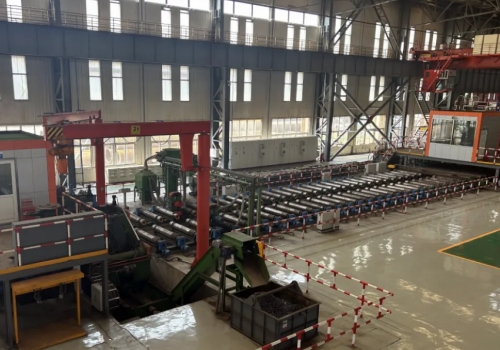
You face big risks if you pick weak materials. Bad pipes ruin entire projects and cost you money. I want to share important facts about these steel pipes with you. You must understand these details to protect your next big construction job.
Do you worry about pipe weld failures? Poor welding ruins pipeline systems. You can avoid this problem. You just need to understand the strict manufacturing process of these pipes. Factory workers produce these pipes through a careful process. They cut and mill steel plates first. They use the JCOE method to form a cylinder next. Finally, they weld the straight seam inside and outside. They use submerged arc welding.
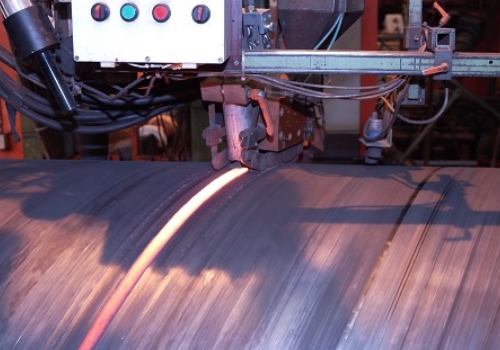
I want to explain the production process to you. You must know how factories make these pipes. You can trust their quality this way. The process involves several key stages. Each stage guarantees the final strength of the pipe. First, we prepare the steel plate. We select high-strength carbon steel. We remove all rust from the surface. We also remove oil. Clean surfaces prevent weld defects. Next, we cut the plates to the exact size. We mill the edges. This creates the perfect shape for welding. Then, we start the forming process. We bend the flat plate into a cylinder shape. We usually use the JCOE forming method. This method bends the plate step by step. We pre-weld the seam after forming. This holds the shape.
The main welding happens next. We weld the inside seams. We weld the outside seams. We use submerged arc welding. Flux covers the weld area. This prevents oxidation. It keeps the weld clean.
| Production Step | Purpose |
|---|---|
| Plate Preparation | Removes rust and dirt. |
| Edge Milling | Prepares the edge shape. |
| JCOE Forming | Bends the flat plate. |
| Seam Welding | Joins the pipe seams securely. |
| Cold Expansion | Removes stress from the pipe. |
Do you feel confused by different steel grades? The wrong grade wastes your money. It also risks site safety. Let us clarify the best materials and exact sizes. A standard pipe uses carbon steel or low-alloy steel. Some pipes use stainless steel. The outer diameter ranges from 350 millimeters to 1500 millimeters. The wall thickness varies from 8 millimeters to 80 millimeters. The length spans 6 meters to 12 meters.
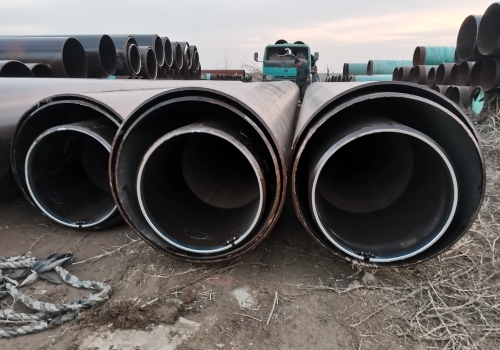
You must choose the right material for your project. I always tell my customers to match the steel grade to their environment. Carbon steel is the most common material. It works well for standard jobs. We adjust the carbon content. This changes the strength of the pipe. Sometimes, you need better performance. Low-alloy steel includes small amounts of nickel. It can also include chromium. This gives the pipe better resistance to cold weather. High-Strength Low-Alloy steel offers even more strength. We call this HSLA steel. It maintains good weldability. Stainless steel is best for highly corrosive environments. We use it for subsea projects. We use it for chemical plants.
Size matters in pipeline design. You need exact dimensions. You need them to connect pipes properly. Our pipes meet strict international standards.
| Specification | Common Range |
|---|---|
| Outer Diameter | 350 mm to 1500 mm |
| Wall Thickness | 8 mm to 80 mm |
| Pipe Length | 6 meters to 12 meters |
Do your current pipes fail under high pressure? Weak pipes lead to dangerous leaks. They cause expensive repairs. Discover why these welded pipes guarantee long-lasting project stability. These pipes offer high mechanical strength. They offer excellent dimensional accuracy. They resist high pressure easily. Construction teams use them for long oil and gas pipelines. Engineers also use them to support big bridges and offshore platforms.
I know you want reliable materials. You want pipes that last for many years. These pipes deliver outstanding performance. They have high mechanical strength. They can withstand extreme pressure. The strict manufacturing process ensures perfect dimensional accuracy. Every pipe has the exact diameter you order. Every pipe has the exact thickness you order. Good welding quality is another major benefit. The submerged arc welding method protects the weld. It stops oxidation. This makes the weld pure. This makes the weld strong. We also apply surface treatments. These treatments give the pipe high corrosion resistance. You can safely bury these pipes underground. You can safely put them underwater.
You can use these pipes in two main ways. First, you can use them to move liquids. Second, you can use them for structural support.
| Application Type | Common Use Cases |
|---|---|
| Conveying Media | Oil pipelines, gas pipelines, water networks. |
| Structural Use | Bridge supports, offshore platforms, building piles. |
You now understand how these high-quality pipes improve construction projects. They offer great strength and exact sizes. Choose the right materials today to ensure your next big project succeeds.



 English
 Español