Pragmatism, Integrity, Passion

Pragmatism, Integrity, Passion

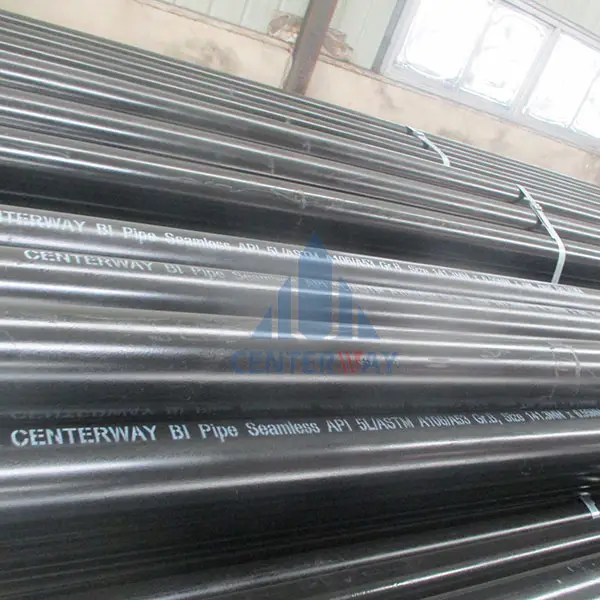
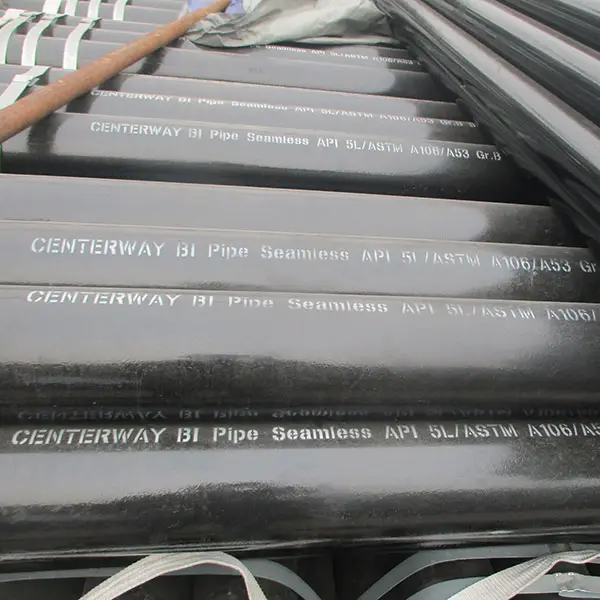
Do pipeline leaks cost you money? Bad materials cause project failures. We offer a simple solution to keep your fluid transport safe and efficient. An api 5l grade b pipe is a standard carbon steel pipe. Builders use it to safely transport oil, gas, and water. It offers high tensile strength and pressure resistance. This makes it an affordable choice for your pipeline projects.
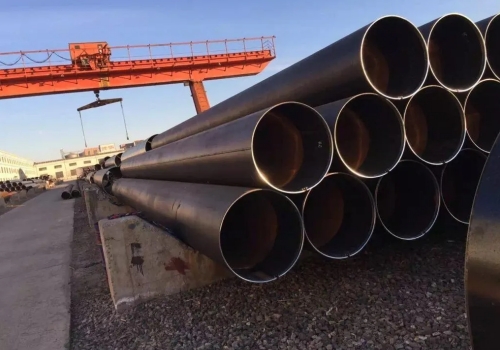
You might wonder how this specific grade beats other options. Let us look at what makes it the industry standard and how it helps your bottom line.
Do you struggle to balance budgets with strict safety rules? Cheap pipes rust and fail. This grade gives you low costs and heavy-duty performance. The API 5L Grade B specification ensures pipes meet high strength, durability, and corrosion resistance standards. These pipes give you great flexibility for onshore and offshore jobs. They resist chemical attacks and reduce your long-term maintenance costs. We need to look at the numbers to understand the value.
The chemical makeup decides how well the pipe handles stress. We follow these maximum limits:
· Manganese (Mn): 1.20% (Boosts material ductility)
· Phosphorus (P): 0.030% (Prevents cold brittleness)
· Sulfur (S): 0.030% (Ensures smooth welding seams)
You need materials that do not crack under pressure. The mechanical rules guarantee reliable work:
· Yield strength: 355 MPa minimum
· Tensile strength: 550 to 620 MPa
· Elongation: 20% minimum When you buy this steel, you get three major benefits. First, the low carbon content makes welding much easier for your team. Second, the manganese addition keeps the steel tough even in cold weather. Third, the strict manufacturing rules mean you receive exact dimensions every single time. We see projects cut installation time by 15% simply because the pipe ends match up perfectly during welding. (These exact parameters save your team from expensive repair work).
Picking the wrong specification ruins pipelines. A simple mistake leads to bad pressure blowouts. We explain the exact differences so you choose the right one. PSL1 is a standard quality pipe for basic, low-pressure jobs. PSL2 offers stricter chemical limits, mandatory testing, and higher toughness. You must choose PSL2 for high-pressure or extreme temperature environments where you need full material tracking and maximum safety.
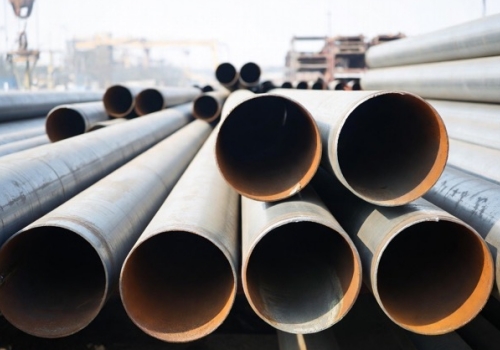
Making the right choice between Product Specification Levels dictates your project success.
| Feature | PSL1 Pipe | PSL2 Pipe |
|---|---|---|
| Usage | Standard fluid transport | High-risk pipelines |
| Toughness Test | Not required | Strictly mandatory |
| Weld Inspection | General checks | Non-Destructive Testing |
| Traceability | Basic tracking | Full history required |
| Price Point | Lower cost | Premium investment |
You must check your site conditions before you place an order. Follow these three steps:
1. Check the pressure: Upgrade to PSL2 if your system passes standard utility pressure.
2. Review the temperature: PSL2 withstands freezing offshore weather much better because it has strict impact energy ratings.
3. Assess the risk: The extra cost of PSL2 becomes a necessary insurance policy if a leak threatens human life. From our experience, standard water lines work perfectly fine with PSL1. But if you transport volatile gases, PSL2 is your only safe option. (Always ask your site engineer to confirm exact pressure ratings before you buy).
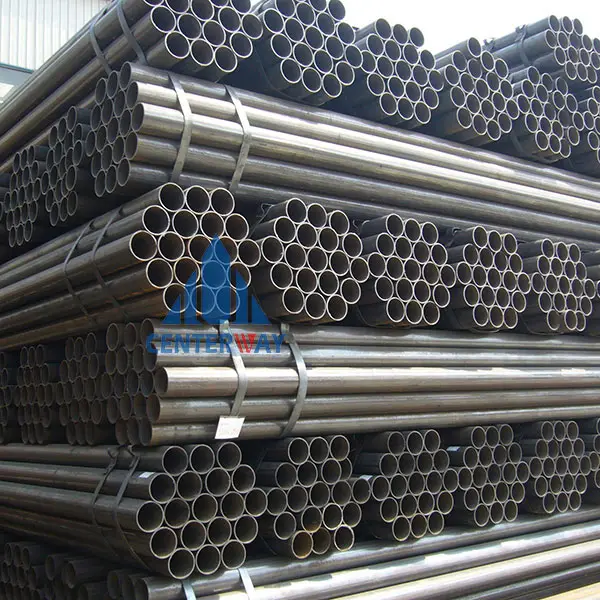
Overspending on seamless pipes drains your budget quickly. But using weak welded pipes risks bad leaks. We help you find the exact manufacturing type. Seamless pipes lack a weld seam, so they offer better pressure resistance for high-stress jobs. Welded pipes cost less and come in much larger sizes. You should pick seamless for high-pressure oil lines and welded for large, low-pressure water mains. The making process directly affects both your wallet and your pipeline lifespan.
We start seamless pipes as a solid steel block. We heat it and push a rod through the center.
· High pressure: They handle volatile oil and gas very easily.
· Corrosion resistance: Smooth surfaces stop rust buildup.
We start welded pipes as flat steel plates. We roll them into cylinders and weld the edges.
· Cost savings: They cost up to 20% less to produce.
· Custom sizes: We make them in massive diameters up to 48 inches.
· Fast production: Automated lines push these out quickly for urgent orders.
Use seamless pipes for small-diameter, high-pressure setups. Switch to welded pipes when you need massive water mains on a tight budget. Modern welding technology improves constantly, so today welded pipes perform very well even in mildly corrosive spots. (Your final choice always comes down to diameter limits and money limits).
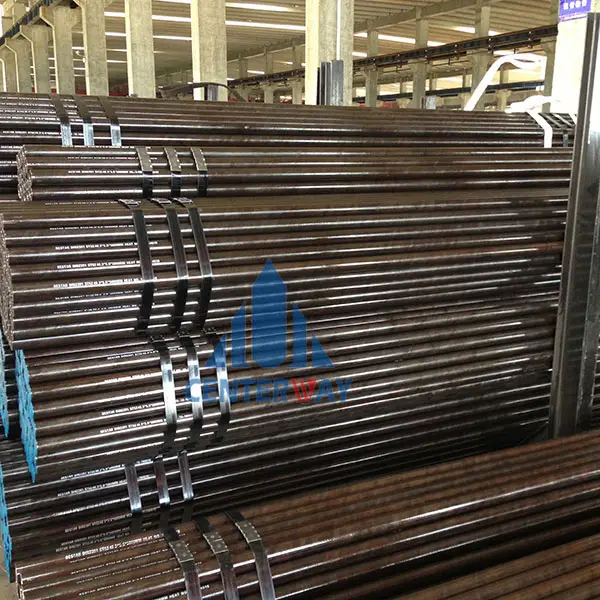
Do you face delays from bad suppliers? Receiving weak steel ruins your timeline. Learn exactly what to check so you get top-tier materials on time. When buying pipes, you must check supplier certifications. Always demand mill test certificates showing chemical makeup and testing results. Check their stock size and shipping skills to ensure they deliver your required diameters on time. Finding a trusted partner matters just as much as the steel itself. At Centerway Steel, we focus on complete quality control.
Do not buy blindly. Always ask your supplier for these documents:
· Third-Party Inspections: Look for SGS, BV, or TUV stamps.
· Traceability records: Ensures the steel origin is real.
Avoid these three dangerous problems when ordering:
1. Hidden defects: Poor suppliers skip ultrasonic testing.
2. Wall thickness changes: Cheap pipes thin out, causing burst risks.
3. Delayed shipping: Bad logistics halt your entire site.
Be specific when you ask for a quote. We usually supply these ranges:
· Diameters: 1/2 inch up to 48 inches.
· Wall thickness: Schedule 10 up to Schedule XXS.
· Lengths: Single random, double random, or custom cuts. You protect your project from expensive failures by checking testing rules and demanding clear pricing. (A reliable one-stop supplier handles the heavy lifting for you).
Do technical pipeline words confuse you? Misunderstanding rules leads to bad ordering mistakes. We answer the most common questions to clear up your doubts. These common questions cover the main differences between pipe types, the importance of carbon steel, and how wall thickness changes performance. Reading these answers helps you confidently pick the exact pipeline materials your building project needs to succeed.
Here are the most common questions our partners ask us.
Q: Why do we use carbon steel to make these pipes?
A: Carbon steel gives great strength at a very low price. It handles extreme internal pressure and fights bad weather. This makes it the safest choice for long-term pipeline networks.
Q: How does wall thickness change my pipeline performance?
A: A thicker wall directly increases the pipe ability to hold high pressure safely. You must calculate the correct thickness based on your fluid volume to stop breaks.
Q: What does Annex J mean for my project?
A: Annex J sets specific rules for sour service jobs. If your pipes move fluids containing hydrogen sulfide, Annex J ensures the steel fights severe cracking and rust.
Q: What is the main difference between ERW and seamless pipes?
A: ERW pipes come from rolled sheets with a welded seam. We make seamless pipes without seams. Seamless handles higher pressure. ERW costs less and comes in bigger sizes.
Q: Can I use Grade B pipes for building structures?
A: Yes. People design them for fluid transport, but their high strength makes them great for heavy structural columns and deep building piling. (You get great support from these thick steel walls).
Picking the right material keeps your pipelines safe and affordable. We have supported global projects since 1996. Contact Centerway Steel today to get a quote for your next api 5l grade b pipe order.



 English
 Español