Pragmatism, Integrity, Passion

Pragmatism, Integrity, Passion

Gas line safety is a major concern for any project manager, and choosing the wrong material can lead to failed inspections or dangerous leaks. You might be confused by conflicting advice about which pipes are legal and safe. The short answer is yes, you can use galvanized pipe for gas, but it is generally not recommended for long-term safety and system efficiency. While modern galvanized pipes are stronger, the zinc coating can eventually flake off and clog gas regulators. Most professionals prefer black steel pipe for indoor gas lines.
In my 25 years at Centerway Steel, I have seen many changes in the industry. I remember a project with a client from Munich who was very strict about material costs. He wanted to use existing galvanized stock for a new gas line extension. It was a tough conversation. I had to explain that while he could physically connect the pipes, the long-term risk to his equipment was not worth the small savings. That conversation saved him thousands of euros in maintenance later. It is vital to understand why these materials behave differently.
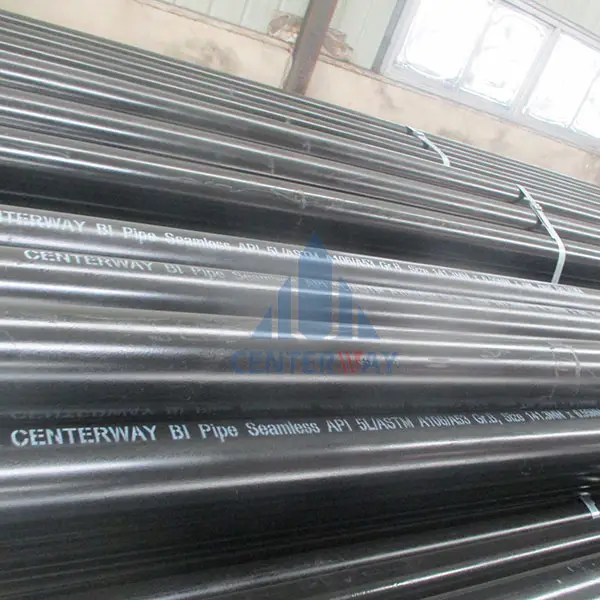
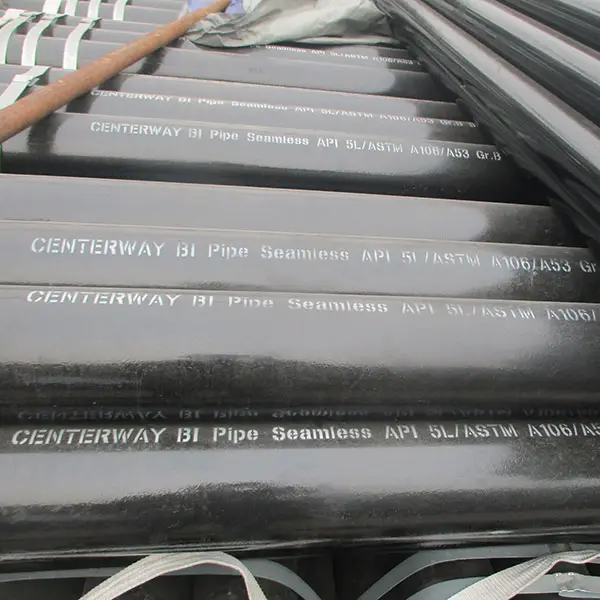
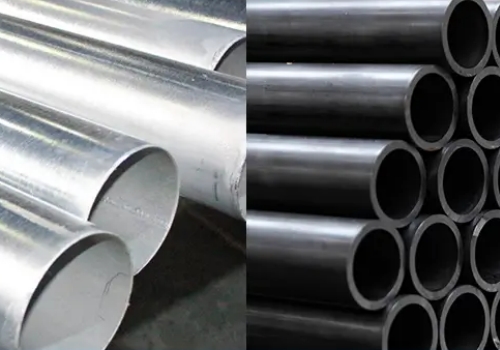
Many people in the construction industry struggle to identify the core differences between these materials at a chemical level. This lack of knowledge can lead to improper specifications in EPC contracts. The primary difference lies in the coating; galvanized pipe is covered in a zinc layer to prevent rust, while black steel pipe is uncoated and relies on a surface layer of iron oxide. Galvanized pipe is designed for water transport, whereas black steel is the standard for gas and oil.
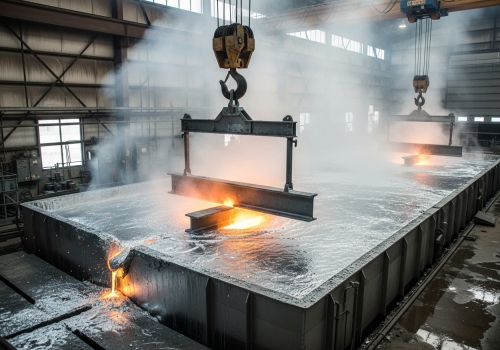
To really understand this, we need to look at how we make these pipes at Centerway Steel. For galvanized pipes, we use a process called hot-dip galvanizing. We take the steel pipe and submerge it completely into a bath of molten zinc. This is not just a paint job. The heat causes a chemical reaction. The zinc bonds with the iron in the steel to create a zinc-iron alloy layer. This layer is incredibly tough and resists corrosion from water and air. That is why you see silver pipes on outdoor fences and water lines. On the other hand, black steel pipe does not go through this zinc bath. Its dark color comes from iron oxide. This scales forms naturally on the surface during the manufacturing process. Because it does not have the zinc layer, it is more open to corrosion if exposed to water. However, for gas lines, this is not a problem. Natural gas and propane do not cause rust on the inside of the pipe. As an EPC manager, you are always looking for the most efficient solution. Since black pipe skips the galvanizing step, it is cheaper to produce. This lower cost is a massive advantage when sourcing materials for large-scale urban pipeline networks. We always advise our partners to use black steel for indoor gas to save money and ensure compliance.
If galvanized pipe is stronger against rust, why is there such a strong stigma against using it for gas systems? The history of this issue is rooted in the chemical interaction between the gas supply and the metal. The danger is that the zinc coating inside galvanized pipes can react with chemicals in the gas and flake off over time. These small flakes of zinc travel with the gas flow and can block narrow orifices in regulators and burners, causing equipment failure.
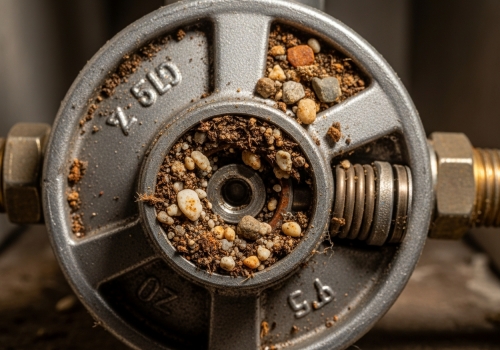
This is where critical thinking is required. You might ask, "Can you use galvanized pipe for gas if the pipe is new?" In the past, the quality of galvanizing was not as high as it is today. The zinc would peel very easily. Also, older gas supplies were not as clean as they are now. Natural gas used to contain more moisture and chemical impurities. These impurities would react aggressively with the zinc. This reaction creates a powdery residue or actual flakes of metal. Imagine the gas flowing through your pipeline system. It reaches a pressure regulator or the pilot light of a boiler. These devices have very small openings. If a flake of zinc gets lodged there, the gas flow stops. In a worst-case scenario, it could prevent a valve from closing properly, leading to a leak. However, technology has changed. At Centerway Steel, our modern hot-dip galvanizing process is strictly controlled under ISO 9001 standards. The bond between the zinc and steel is much stronger now. Despite this, the risk remains. Many local building codes in Europe and the US still prohibit it for this very reason. Also, mixing metals is a bad idea. If you connect black iron to galvanized steel, you create a galvanic cell. This speeds up corrosion at the joint. As a supplier, I always tell my customers: stick to black steel for gas. It removes the variable of zinc flaking entirely. It is the safer, more predictable choice for your engineering projects.
When planning a project that involves both indoor and outdoor piping, the rules for material selection change dramatically. You must consider what the environment will do to the outside of the pipe, not just what is flowing inside. While black steel is best for indoor gas, it will rust rapidly if installed underground or outdoors without protection. In these specific outdoor cases, you can use galvanized pipe for gas, provided local regulations allow it, because the zinc protects against external soil and weather corrosion.
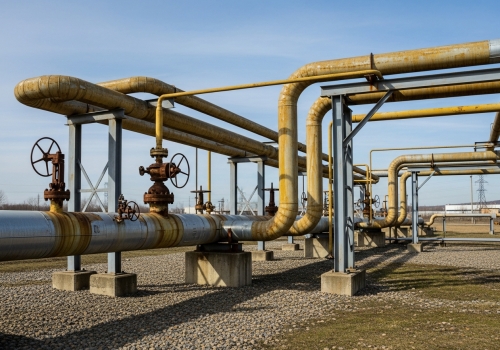
Let us dive deeper into the outdoor vs. indoor dilemma. This is a common challenge for EPC companies working on complex sites. You have a gas main coming in from the street (underground) and entering a building. If you use standard black steel underground, the moisture in the soil will eat through the pipe in a few years. You have two choices here. You can use black steel that has been heavily coated with specialized epoxy or wrapped in protective tape. Or, in some jurisdictions, you can use galvanized pipe. The external zinc coating provides the sacrificial protection needed against the rain and soil acidity. However, you must be careful. If you search "can you use galvanized pipe for gas" in your local building code, you might find that it is only permitted upstream of the meter or exclusively outdoors. Below is a comparison table to help you decide based on the location:
| Feature | Black Steel Pipe | Galvanized Steel Pipe |
|---|---|---|
| Primary Application | Gas and Oil (Indoor) | Water and Fencing (Outdoor) |
| Corrosion Resistance | Low (Rusts easily in water) | High (Zinc protects it) |
| Cost | Lower (Standard for gas) | Higher (Added process) |
| Risk with Gas | Low (Stable material) | Medium (Zinc can flake/clog) |
| Common Connection | Threaded or Welded | Threaded (Welding destroys zinc) |
In summary, while you strictly can you use galvanized pipe for gas in some outdoor situations, black steel is the superior, safer, and more cost-effective choice for most gas systems. Always check your local codes and trust a certified supplier like Centerway Steel to provide the right materials for your safety.



 English
 Español