Pragmatism, Integrity, Passion

Pragmatism, Integrity, Passion

You struggle with pipe rust in harsh oilfields. This causes bad leaks and costs you money. Composite pipes solve these hard problems and save your project budget. A composite pipe combines strong polymers and glass or carbon fibers. In the oil and gas industry, these pipes resist rust, weigh very little, and hold high pressure. They give you long-lasting performance for oil transport, water injection, and gas gathering lines.
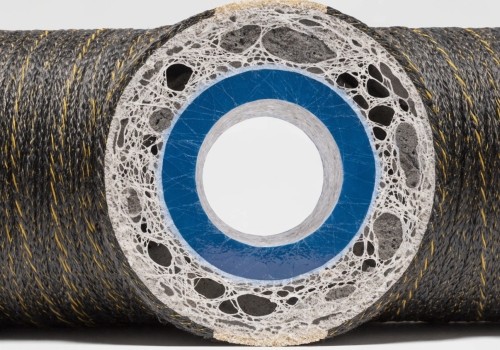
You might wonder how these new materials compare to old steel pipes. Many EPC buyers ask me this exact question every week. I will show you the real benefits and uses below.
Heavy steel pipes take too much time to install. High transport costs ruin your budget. Composite materials offer a lighter, stronger choice for your new pipelines. Composite pipes give you many big benefits. They fight rust, weigh very little, and hold high pressure well. They also keep fluids warm, bend easily, and protect the earth better than standard metals.
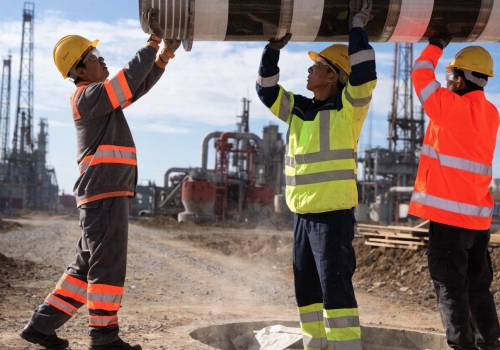
Let us look closer at these great benefits. I talk to many EPC project managers every day. They always worry about pipe rust. Rust eats away bare steel in salt water. Composite pipes do not rust. They stand up to sour gas and saltwater easily. Also, composite pipes weigh a lot less than solid metal. You need fewer big cranes to move them. This makes your daily work faster. But, pure composite pipes often need a strong base to hold them straight. This is where our LSAW pipe or SSAW pipe comes in. You can use our strong SSAW steel pipes as a firm base shell. Then, you put composite liners inside them. This mixed method gives you the best of both worlds.
I made a simple table to show you the main differences.
| Feature | Traditional Steel Pipe | Composite Pipe |
|---|---|---|
| Rust Resistance | Low | Very High |
| Pipe Weight | Very Heavy | Very Light |
| Bending Ability | Hard to bend | Easy to bend |
| Base Strength | Very High | Medium |
You need safe lines for harsh chemicals and deep sea water. Old pipes break under these harsh conditions. Composite pipes fit perfectly into these hard daily jobs. You can use composite pipes in many oilfield areas. Workers use them for production lines, subsea flowlines, and chemical injection lines. Refineries also use them a lot to move bad chemicals safely.
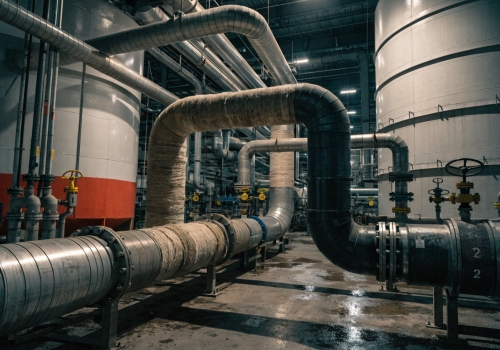
We see composite pipes in almost every part of the modern oilfield. In upstream work, oil companies use them to gather raw oil and gas from wells. The light weight helps workers lay lines fast in the dirt. Deep under the sea, water pressure is huge. Salt water also attacks the pipe from the outside. Composite pipes fight off this salt water very well.
Let us break down the exact places you can use them.
| Work Area | Main Job | Why Use Composite? |
|---|---|---|
| Upstream Gathering | Move raw oil | Stops internal wear |
| Subsea Flowlines | Connect sea wells | Fights sea salt water |
| Chemical Injection | Push chemicals in | Does not melt |
| Oil Refineries | Move acid fluids | Lasts a long time |
Finding a good pipe supplier is very hard. Bad suppliers delay your project and cost you money. You need one reliable partner to give you complete pipe solutions. You must mix good design with great materials to build a strong network. You should buy high-quality base steel pipes and match them with the right composite systems. A good one-stop supplier makes this buying process very easy.
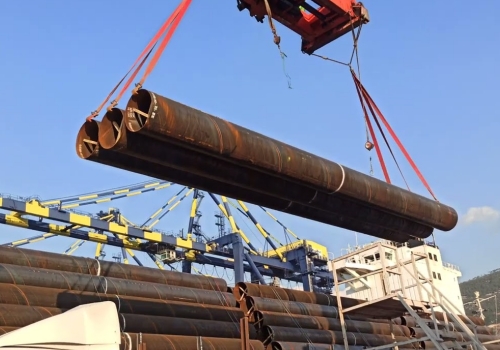
Building a safe pipeline takes careful planning. You cannot just buy any cheap plastic pipe. You must think about pressure, heat, and soil weight. Many EPC buyers come to me with mixed lists. They need steel pipes for the main trunk lines. They need composite lines for the sour branch lines.
We at Centerway Steel know this pain. Since 1996, we have helped global buyers sort out their pipe needs. You might need huge pipes for a main trunk line. Our LSAW pipe is perfect for that job. LSAW pipes offer straight seams and handle huge pressure safely. When you need long distance lines, our SSAW pipe is your best choice. You can lay our SSAW pipes across hundreds of miles. Then, you can connect them to your composite pipe oil and gas setups at the local gathering stations. We integrate all these products for you. You do not need to call ten different factories. We check the quality. We load the ships. You get a safe, complete pipeline system on time. This saves you stress and keeps your boss very happy.
Composite pipes offer great rust protection and low weight. You get the best project results when you combine them with our strong LSAW or SSAW steel pipes.



 English
 Español