Pragmatism, Integrity, Passion

Pragmatism, Integrity, Passion

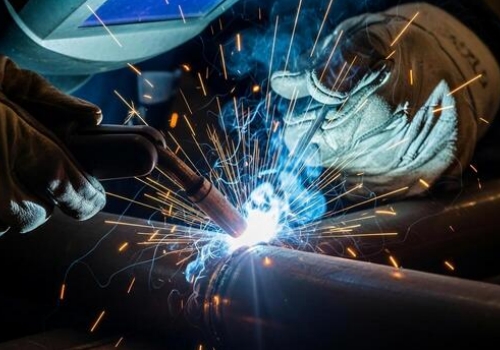
Weak pipe welds cause major leaks. These leaks ruin your project timeline and budget. I will explain how the right welding method prevents these costly disasters. The EFW pipe welding process melts steel plate edges and filler metal using an electric arc. This creates a solid, thick weld joint. Manufacturers use this method to produce heavy-duty pipes with large diameters and thick walls for demanding projects.
Many buyers choose the wrong pipe for their projects. They do not understand the manufacturing details. This mistake leads to pipeline failures. You must know the exact production steps to buy the right materials. I will break down these steps for you now.
You might buy ERW pipe to save money. Then the pipe fails under high pressure. You need to know the difference between these two methods. The EFW pipe welding process adds filler metal and uses an electric arc to melt the steel. ERW uses electrical resistance and squeezes the edges together without filler metal. EFW creates a stronger bond for thick pipes. I have seen many buyers confuse these two methods. I worked on a large water pipeline project five years ago. The buyer ordered ERW pipes for a high-pressure section. The pipes failed the water pressure test. We had to replace them with EFW pipes. This mistake cost the buyer a lot of money and time.
The welding heat source is the main difference. ERW means Electric Resistance Welding. The machine heats the steel edges with high-frequency current. Then, metal rollers push the hot edges together. No extra metal goes into the weld pool. EFW means Electric Fusion Welding. The machine uses an electric arc. The arc creates extreme heat. The heat melts the steel plate edges. At the same time, the machine feeds a filler metal wire into the gap. The melted plate and the melted wire mix together. They cool down and form a very thick, solid weld.
| Feature | ERW Pipe | EFW Pipe |
|---|---|---|
| Heat Source | Electrical Resistance | Electric Arc |
| Filler Metal | No | Yes |
| Pipe Wall | Thin to Medium | Thick to Extra-Thick |
| Best Use | Low Pressure | High Pressure |
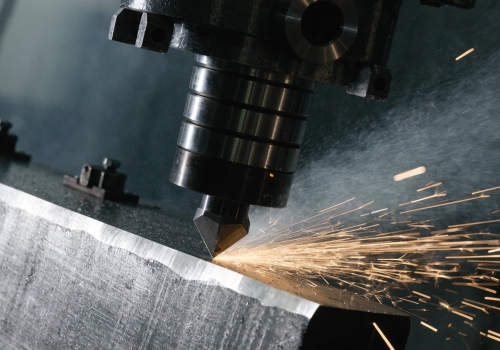
Bad steel plates make bad pipes. Poor preparation causes hidden weld defects. You must check the raw materials before you start the machines. Workers test the raw steel plates for chemical and physical strength first. Then, they cut the plates and bevel the edges. The bevel shape helps the filler metal mix deeply with the base steel.
You cannot build a strong house on a weak foundation. The same rule applies to steel pipes. I always tell my clients to ask about the preparation steps. At Centerway Steel, we spend a lot of time on this phase. We want to avoid problems later.
First, we check the thick solid steel plates. We do not use rolled coils for this method. We test the plates to meet international standards. We look for internal cracks or rust. Bad plates will ruin the final weld quality. Next, machines cut the plates to the correct size. Then, the machines cut an angle along the long edges. We call this a bevel. The bevel creates a wide gap when we bend the plate. Finally, large hydraulic machines bend the flat plate. They shape the plate into a round cylinder. The two beveled edges must align perfectly. A bad alignment leaves empty gaps. The filler metal will not fill the gaps correctly. A good shape ensures a strong joint during the EFW pipe welding process.
High heat leaves stress inside the metal. Untested welds hide dangerous cracks. You need a strict testing plan to guarantee safety. Factories use heat treatment to remove stress from the welded pipe. Then, machines adjust the pipe shape to make it perfectly round. Finally, workers use ultrasound and high water pressure to test the weld strength. The welding arc creates temperatures over 3000 degrees Celsius. This extreme heat changes the metal structure. The metal around the weld becomes hard and brittle. I remember a case where a factory skipped the heat treatment. The pipe cracked during transport.
We put the finished pipe into a large furnace. The furnace heats the pipe slowly. This heat treatment relaxes the metal. It removes the stress caused by the welding arc. The pipe becomes tough and flexible again. The welding heat also bends the pipe slightly. We use mechanical expanders to fix this problem. The expander pushes the pipe from the inside out. It makes the pipe perfectly round and very straight. After shaping, we must test the pipe. We use ultrasonic sound waves to look inside the solid metal. The sound waves find hidden holes or trapped dirt. Then, we fill the pipe with water. We pump the water to a very high pressure. This test proves the pipe can handle real work conditions.
| Test Type | What It Finds | Purpose |
|---|---|---|
| Ultrasonic Test | Internal cracks and holes | Checks weld density |
| Hydrostatic Test | Leaks and weak spots | Proves pressure rating |
| Heat Treatment | Internal metal stress | Prevents future cracking |
You have many questions about pipe buying. Wrong answers lead to bad choices. I will answer the most common questions simply and clearly. EFW pipes cost more than ERW pipes because they use filler metal and take longer to make. Buyers choose EFW pipes for high-pressure systems, thick walls, and large diameters. The filler metal makes the weld very strong. I talk to purchasing managers every day. They all have similar worries. They want to save money. They also want high quality. Finding a one-stop supplier solves many of these problems. I will answer your top questions right here.
Q: Why is the EFW pipe more expensive than ERW pipe?
A: The production speed is much slower. The process also uses extra materials like filler wire and welding flux. These extra materials cost money. The careful testing also adds to the final price.
Q: Can I use EFW pipes for standard city water lines?
A: Yes, you can. But it is usually a waste of money. ERW pipes are cheaper and work fine for low-pressure city water. You should save your money and buy ERW pipes for those basic jobs.
Q: What is the main benefit of the filler metal?
A: The filler metal mixes with the steel plate. We can change the chemistry of the filler metal. This means we can make the weld stronger than the original steel plate. We can also make the weld resist rust better. ERW cannot do this. Q: How do I know if my supplier is doing a good job? A: You must ask for their testing reports. A good supplier will give you the ultrasonic test results. They will also show you the water pressure test results. At Centerway Steel, we provide all these documents for every order.
The EFW process builds strong pipes for tough jobs. It uses an electric arc and filler metal to create a solid joint. Choose this reliable method when your project needs thick, high-pressure pipes.



 English
 Español