Pragmatism, Integrity, Passion

Pragmatism, Integrity, Passion

Weak foundations cause project failures and budget overruns. You need strong support materials. Our ASTM A252 steel pipe casing solves this problem by offering unmatched strength and reliability. ASTM A252 steel pipe casing is a structural carbon steel material. Builders use it mainly for permanent load-bearing pipe piles and concrete pile casings. It provides excellent structural strength, makes foundation work cost-effective, and resists heavy pressure in demanding construction projects.
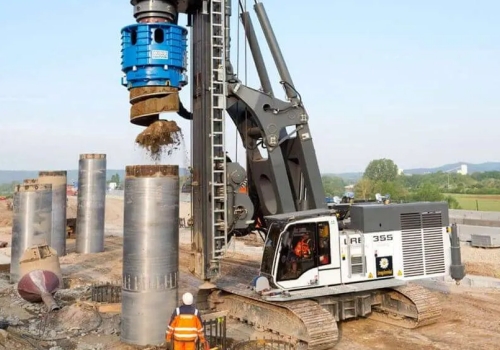
Choosing the wrong piling material can ruin your entire building project. I have seen bad choices lead to costly delays and safety risks. You must understand the material grades before you start buying. The right information will help you save money and secure your foundation. Let us look at the exact details that make this material the industry standard.
Project loads vary greatly. Using the wrong strength grade causes structural risks. You must pick the right grade to ensure safety. This standard offers three clear options. The ASTM A252 standard features three distinct strength grades. Grade 1 is for light loads. Grade 2 suits medium-duty industrial work. Grade 3 provides the highest yield strength at 45,000 psi. Engineers prefer Grade 3 for heavy-duty infrastructure and deep foundation projects. You need to match the material grade with your specific load requirements. I always tell buyers to look closely at the yield strength. Yield strength measures how much stress the pipe can take before it bends permanently. Grade 3 is the most common choice for modern piling. Its high yield strength allows you to use a thinner wall. A thinner wall means less steel weight. Less steel weight directly lowers your total purchasing cost. You do not sacrifice any load capacity when you do this. We produce all three grades at Centerway Steel. We test every batch to make sure it meets the strict global standards. I advise buyers to study their soil conditions and design loads first. Rocky soil needs higher strength. Soft mud might require a different approach. The table below breaks down the exact specifications for each grade. This simple breakdown helps you choose the right material for your next foundation job.
| ASTM A252 Grade | Minimum Yield Strength (psi) | Minimum Tensile Strength (psi) | Best Application Scenarios |
|---|---|---|---|
| Grade 1 | 30,000 | 50,000 | Light loads, small retaining walls, non-critical structures |
| Grade 2 | 35,000 | 60,000 | Medium industrial use, small bridges, commercial foundations |
| Grade 3 | 45,000 | 66,000 | Heavy infrastructure, offshore docks, high-rise buildings |
High steel prices shrink your project margins. Traditional pipe manufacturing costs too much. Spiral welded pipes cut these costs significantly. This method keeps your project under budget. SSAW (Spiral Submerged Arc Welding) is a continuous production method. It creates large diameter steel pipes from steel coils. This process reduces material waste and lowers labor costs by 10 to 20 percent compared to straight-seam pipes. It fully meets ASTM A252 requirements for piling.
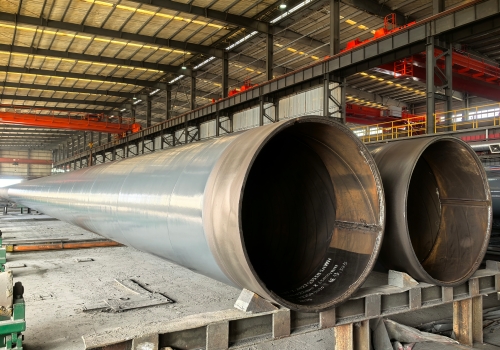
I know that managing costs is your main daily challenge. Large construction projects need huge amounts of steel. Straight-seam welded pipes are very strong, but they cost too much for standard piling. Spiral welding changes this situation completely. We take a continuous steel coil and weld it into a spiral shape. This uniform process creates very reliable structural integrity. The spiral weld distributes stress evenly across the whole pipe body. I have worked on many international projects where this made a huge difference. For example, we supplied thousands of tons of SSAW ASTM A252 steel pipe casing to a major port expansion project in Australia. The Australian market has very strict quality rules. Our Australian clients needed large diameters up to 2,032 mm. We delivered high-quality spiral pipes that passed all local inspections. The client saved 15 percent on their total material budget. They finished the port foundation ahead of schedule. Our mature experience in Australia proves that SSAW pipes handle extreme marine conditions perfectly. We have the capacity to produce these large pipes efficiently at Centerway Steel.
Harsh environments destroy bare steel fast. Rust eats away your foundation strength. You must apply the right protective coating. Good protection extends the pipe life by decades. You protect ASTM A252 steel pipe casing using advanced anti-corrosion coatings. The two most effective systems are 3LPE (Three-Layer Polyethylene) and FBE (Fusion-Bonded Epoxy). 3LPE offers maximum protection for saltwater marine environments. FBE provides a cost-effective shield for freshwater and standard soil conditions. Your pipe piles will face water, salt, and soil chemicals. Bare carbon steel will rust quickly in these conditions. Rust makes the pipe wall thinner. A thinner wall leads to structural failure. You cannot afford a failed foundation. I always recommend adding a strong coating before we ship the pipes. We use 3LPE coating for extreme environments like ocean ports. The 3LPE system has three distinct layers. The first layer is an epoxy primer that sticks tightly to the steel. The second layer acts as a strong glue. The third outer layer is thick polyethylene plastic. This plastic layer resists heavy impacts during the pile driving process. It stops saltwater from touching the steel. We use FBE coating for less aggressive places, like city bridges or freshwater rivers. FBE is a tough epoxy paint baked onto the hot steel. It costs less than 3LPE but still offers great chemical resistance. You must look at your project environment to pick the right coating. We apply both coatings in our factory to save you time.
| Coating Type | Layer Structure | Key Benefits | Best Environments |
|---|---|---|---|
| 3LPE | Epoxy primer + glue layer + PE plastic outer layer | High impact resistance, stops saltwater, lasts over 50 years | Ocean ports, coastal bridges, highly corrosive soils |
| FBE | Single or double baked epoxy layer | Excellent chemical resistance, strong bond to steel, lower cost | Urban foundations, freshwater structures, mild soils |
Finding clear answers about piling materials is hard. Confusion leads to wrong purchasing decisions. You need direct facts. Here are the clear answers to your top questions. Buyers often ask about the differences between standards and specific product lifespans. ASTM A252 focuses purely on structural load-bearing capacity. Coated piles can last up to 70 years. These steel piles perform excellently in earthquake zones due to their high yield strength and flexibility.
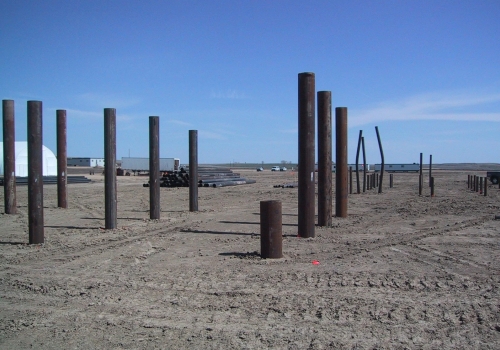
I spend a lot of time talking to buyers and project managers. You all share similar concerns when sourcing deep foundation materials. You want reliable answers to make safe, cost-saving choices. Many people confuse structural piling standards with pipeline transportation standards. Pipeline standards require expensive water pressure tests. Structural piles do not transport fluids, so they do not need these costly tests. This difference saves you a lot of money. You also worry about sizing and extreme weather events. We supply sizes from very small to incredibly large. We make sure you get the exact size your design needs. Earthquakes are another major concern. Steel is naturally flexible. It bends without breaking. High-strength steel absorbs the shaking energy from an earthquake safely. Concrete piles often crack and fail during earthquakes. Steel piles keep buildings standing. I compiled the most frequent questions I receive into a simple list below. This direct information will help you finalize your material planning with confidence.
Q: What is the main difference between ASTM A252 and API 5L?
A: ASTM A252 is designed for structural load-bearing piling. API 5L is designed for pipes that transport high-pressure oil, gas, or water. ASTM A252 does not require a water pressure test, which lowers your cost.
Q: Can I use SSAW pipes for heavy-duty Grade 3 piling?
A: Yes. High-quality SSAW pipes fully meet the 45,000 psi yield strength requirement of Grade 3. We regularly supply these for heavy-duty projects.
Q: How long will a 3LPE-coated pipe pile last in the ocean?
A: A properly installed 3LPE-coated pipe pile will last 50 to 70 years in a harsh marine environment. An uncoated steel pile might only last 20 years.
Q: What sizes can Centerway Steel supply?
A: We supply diameters from 219 mm to 2,032 mm. We provide wall thicknesses from 6 mm to 50 mm. This range covers almost all global project needs.
Q: Do these steel piles perform well in earthquake zones?
A: Yes. The high yield strength and natural flexibility of the steel allow the piles to absorb earthquake energy without breaking.
ASTM A252 steel pipe casing offers unmatched strength and value for deep foundations. You can lower costs with SSAW production and ensure long life with the right protective coatings.



 English
 Español