Pragmatism, Integrity, Passion

Pragmatism, Integrity, Passion

Leaky pipelines cost money and ruin reputations. You worry about sudden system failures. We use precise pressure testing to prove your pipes handle the stress safely. A welded pipe hydrostatic test checks a pipeline's strength and finds hidden leaks. We fill the pipe with water and increase the pressure past normal levels. This process proves the weld quality and ensures the whole system operates safely.
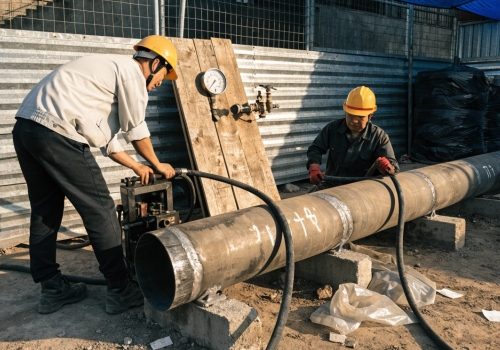
You might wonder how a simple water test guarantees decades of safety. Stop guessing and let us break down the exact steps that keep your pipelines completely intact.
Testing looks confusing. A wrong move easily causes pipe damage. We follow a strict process to test every pipe safely, accurately, and without delays. How does the welded pipe hydrostatic test work? The test works by sealing the pipe, filling it with clean water, and raising the internal pressure. We hold this pressure for a set time while checking for drops. Finally, we drain and dry the pipe completely.
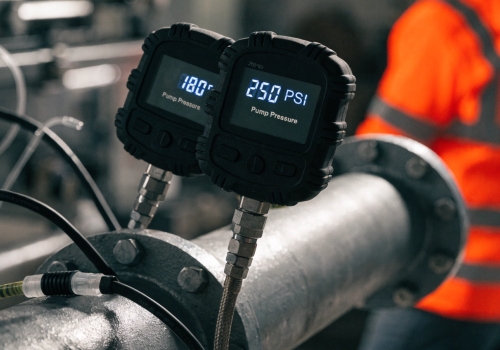
We need to know the exact details of the testing process. A quick visual check is never enough. We break the test down into clear stages. This ensures nothing goes wrong during the inspection.
· Seal all open ends with strong test plugs.
· Pump clean water into the line until it is completely full.
· Remove all air to keep pressure readings highly accurate.
· Raise the pressure using a special squeeze pump.
· Reach the target pressure based on the pipe's yield strength.
· Hold the pressure steadily for a few hours.
· Check digital gauges for any sudden pressure drop.
Here is a quick look at common testing data we use to guide our daily work.
| Parameter | Typical Value | Main Purpose |
|---|---|---|
| Test Medium | Clean Water | Safe and does not compress like air does |
| Test Pressure | 1.25 to 1.5 times normal | Proves the pipe handles pressure spikes |
| Hold Time | 2 to 8 hours | Gives us enough time to find very slow leaks |
Repairing a broken pipe underground drains your budget quickly. Untested welds risk massive failures. We test early to catch hidden flaws and save your money. Why is the welded pipe hydrostatic test essential? It is essential because it guarantees structural safety before final installation. It finds weak welds and stops early corrosion. Passing this test proves your pipes meet strict safety codes and prevents costly system shutdowns later. Skipping safety tests creates huge financial risks. We look at why you cannot ignore this vital step. It protects your expensive assets and your working team.
· Finds tiny holes in the main weld seam.
· Tests the base strength of the steel itself.
· Shows how the pipe reacts to extreme stress.
You have to follow the rules to stay in business. We help you meet them easily.
· Passes local and global safety standards smoothly.
· Gives you certified records for your project files.
· Lowers your overall project insurance costs.
You might think testing is just an extra expense. It actually keeps your money completely safe. Finding a leak during a test costs very little to fix in the factory. Finding a leak after you bury the pipe costs thousands. You have to dig it up, stop operations, and repair the heavy damage. We do the math and always find that testing pays for itself immediately. You get total peace of mind and a highly reliable pipeline system.
False pressure readings waste your valuable time. Trapped air ruins the final test data. We control the testing environment to give you clear and true results. What are the common challenges during a welded pipe hydrostatic test? Common challenges include fast temperature changes, trapped air, and dirty test water. These issues cause pressure drops that look exactly like leaks. We solve this by controlling the water quality and monitoring the ambient temperature closely.
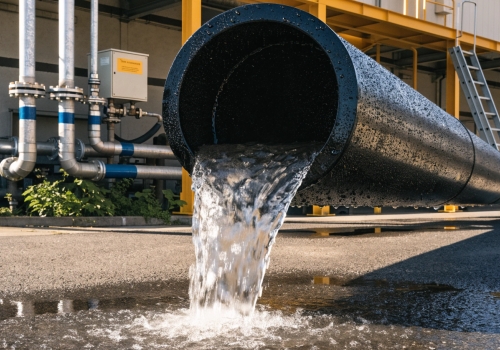
Tests do not always go smoothly. We face real physical problems in the field. We know how to solve them quickly and safely.
· Direct sunlight heats the pipe and changes the inner pressure.
· Cold weather freezes the water inside the line.
· Elevation changes make the pressure uneven across a long pipe.
Air ruins everything during a water test. We fight it every single time.
· Air compresses easily, while water does not compress at all.
· Trapped air makes the test pressure drop very slowly.
· We use high-point vents to push all air out before testing begins.
· Test water gets dirty from the inside of the new pipe.
· We must clean the water before we dump it safely.
· We use heavy air blowers to dry the pipe completely. I remember a winter project where we forgot to check the weather forecast. The water nearly froze in the line. Since then, I always check the weather and use heated water if needed. We catch these small details so your project stays completely on track.
A proper welded pipe hydrostatic test proves your pipeline is strong and safe. Buy our high-quality steel pipes at Centerway Steel today and build your project with confidence.
Q: What is a hydrostatic test?
A: A pressure test using clean water to check a pipe for leaks and structural strength.
Q: How long does the holding test take?
A: The steady pressure hold time usually lasts between 2 and 8 hours depending on the project.
Q: Can we use air instead of water?
A: Air testing is dangerous because compressed air stores explosive energy. Water is much safer for everyone.
Q: Does the high pressure damage the pipe?
A: No. We calculate the pressure limits carefully so it tests the strength without breaking the steel.
Q: How do you dry the pipe after testing?
A: We blow dry air or nitrogen through the pipe until all moisture is completely gone.



 English
 Español