Pragmatism, Integrity, Passion

Pragmatism, Integrity, Passion

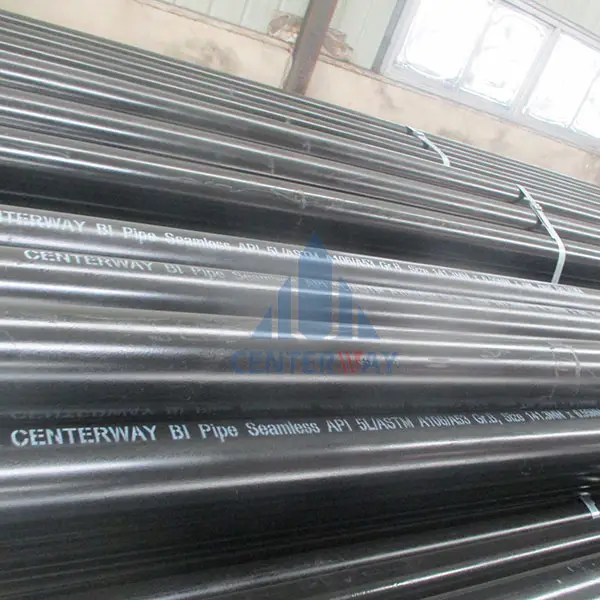
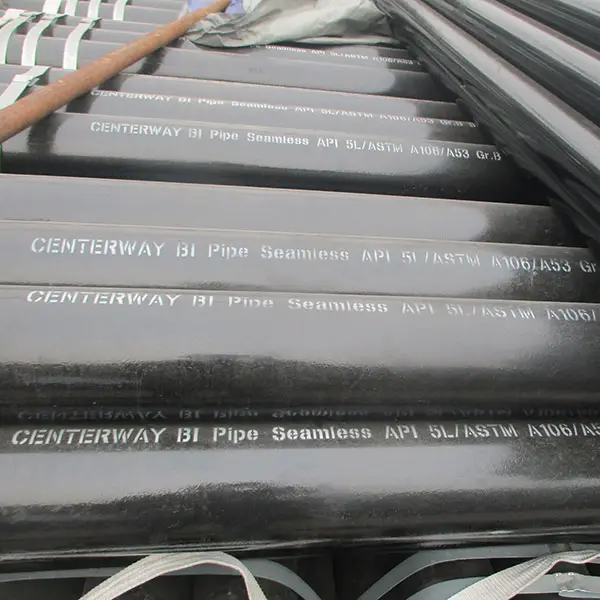
Drill failures cost you time and money. You need reliable well protection. We show you exactly how the right pipe prevents structural collapse and boosts project safety. An api 5ct casing pipe is a steel tube inserted into an oil or gas wellbore to stabilize the structure. It prevents well collapse, isolates water layers, and handles extreme pressure. We rely on this standard to ensure safe and efficient underground resource extraction.
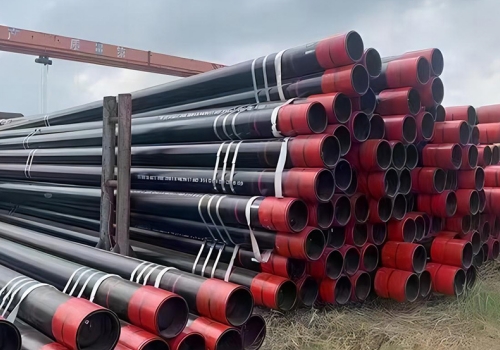
Choosing the wrong pipe materials can derail your drilling schedule and drain your budget. Let me walk you through the essential details you need to make the right sourcing choice without wasting time.
Mismatched dimensions cause installation delays. You worry about getting the wrong sizes. Here is a clear breakdown of the sizes and tolerances you must know. The API standard defines strict manufacturing requirements. External dimensions range from 6.0 mm to 219.0 mm, with wall thicknesses from 1.0 mm to 30 mm. Lengths reach up to 12,000 mm, and wall thickness tolerance is strictly capped at -12.5%.
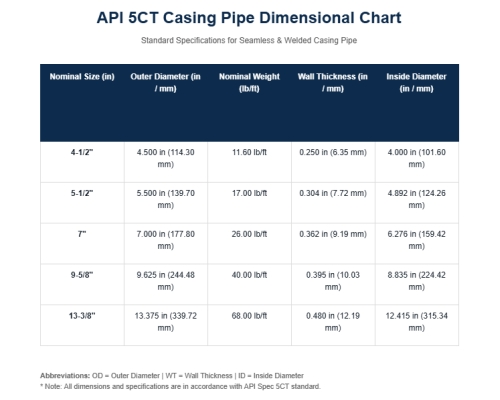
To get your well design right, you must understand the core dimensions and tolerances. At Centerway Steel, we see many buyers struggle with matching drift sizes to their specific drilling plans. When you order casing pipes, the outer diameter you select refers strictly to the pipe body, excluding any thickened parts. This detail matters greatly during field installation. A mismatch of even a few millimeters can halt your entire operation. Buying standard-compliant sizes removes this risk completely.
You will need the right connections to keep your pipeline secure. The standard supports several thread types:
· Long round thread casing (LC)
· Buttress thread casing (BC)
· Extreme-line sleeve (XC)
We strictly follow the API 5B standard for joint and thread protection. If you need flat-ended tubes of other specific wall thicknesses, we supply them based on your exact purchase agreement. Getting these specifications right from the start reduces your field modification costs. We ensure every single pipe passes our strict quality control before it leaves our factory.
High-pressure environments destroy weak pipes. You cannot afford a blowout. Understanding steel grades helps you pick the exact strength your geology demands. API 5CT grades define the yield strength of the product. Common grades include H40, J55, K55, N80, L80, and P110. Selecting the correct grade depends on well depth, pressure, and whether you are drilling in low-sulfur or highly corrosive environments.
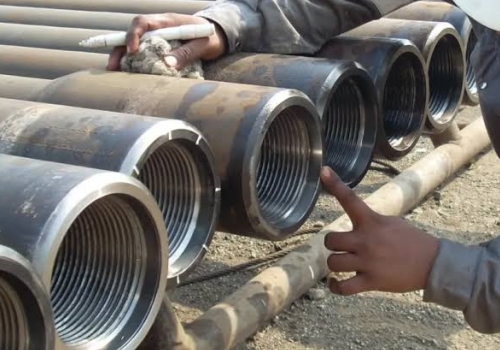
Choosing the right grade directly impacts your budget and site safety. For shallow, low-pressure land environments, J55 works perfectly and saves you money. However, if your team faces deeper wells with higher pressure, you need the tensile strength of P110.
We test all our materials to ensure they meet exact yield and tensile strength requirements. Here is a quick reference table for the most popular grades we supply:
| Grade | Yield Strength (MPa) | Tensile Strength (MPa) | Best Use Case |
|---|---|---|---|
| H40 | 276 to 552 | 414 | Shallow wells |
| J55 | 379 to 552 | 517 | Low-pressure drilling |
| N80 | 552 to 758 | 689 | Low-sulfur oil wells |
| P110 | 758 to 965 | 862 | Deep, high-pressure wells |
We know how harsh conditions affect steel. Last year, my team supplied N80 and P110 casing pipes for a major oil extraction project in Nigeria. The local contractor faced high-pressure underground conditions. By switching to our tested P110 grade, they reduced pipe failure risks to zero and saved 15% on total procurement costs. We provide this same reliable project experience to all our partners in the African market.
Mixing up pipe types ruins well integrity. You do not want extraction delays. Let us clear up the exact differences between these two vital pipeline components. Casing is cemented into the wellbore to support the walls and protect groundwater. Tubing is installed inside the casing string to transport the actual oil and gas to the surface. Casing uses thicker walls to withstand external ground pressure. Understanding this distinction helps your procurement team buy exactly what the engineers need. While both fall under the same standard, they perform totally different jobs in the field.
You can look at three main factors to tell them apart:
· Wall thickness: Casing must resist the heavy weight of surrounding rocks. It requires much thicker walls.
· Installation location: We place casing directly against the dirt and cement it. We drop tubing right down the middle of the casing. Getting a reliable supply of both items from a single source makes your job much easier. We handle full integration so you do not have to chase down multiple suppliers.
Sourcing industrial pipes brings up many questions. You need quick answers to make fast decisions. Here are the most common questions buyers ask me. We get many questions about sourcing and shipping these materials. Buyers want to know about our one-stop integration and delivery capabilities, especially for international projects. Below, I answer the top concerns directly.
Q: Do you offer one-stop sourcing for both casing and tubing?
A: Yes. We provide full integration for both types. This cuts down your vendor management time and saves you money.
Q: Can you ship directly to project sites in Africa?
A: Absolutely. We have mature logistics routes. We have extensive project experience delivering straight to sites in Nigeria, Angola, and Egypt.
Q: What certifications do your pipes hold?
A: All our pipeline products meet ISO 9001, CE, and GOST standards. Third-party organizations like SGS and BV regularly inspect our products.
Q: Can you customize the wall thickness?
A: Yes. We supply custom dimensions and flat-ended tubes based on your specific purchase agreement.
Ensure safe drilling with the right api 5ct casing pipe. Contact Centerway Steel today for reliable, one-stop pipe sourcing that keeps your projects on time and under budget.



 English
 Español