Pragmatism, Integrity, Passion

Pragmatism, Integrity, Passion

You need strong pipes for high-pressure systems. Picking the wrong grade risks catastrophic leaks. We will show you how to select the exact grade you need. An astm a672 pipe is an electric-fusion-welded steel pipe built for high-pressure service at moderate temperatures. You distinguish grades by a letter indicating heat treatment (B, C, or D) and a number showing minimum tensile strength in ksi.
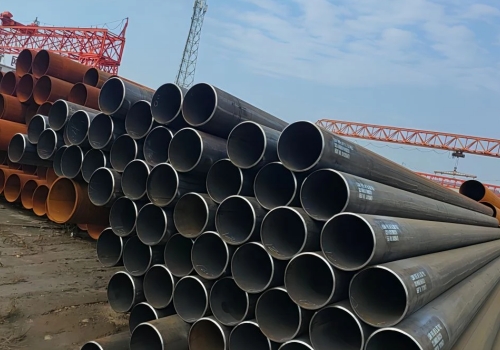
You should read this guide before you place your next material order.
Confusing heat treatment codes can cause ordering errors. Incorrect treatments lead to weak joints. I will explain the exact meaning behind these simple letters. The letters in astm a672 pipe grades represent specific heat treatments. Grade B means the pipe is normalized. Grade C indicates normalized and tempered. Grade D means the manufacturer quenched and tempered the steel. I remember visiting a job site last year. A contractor used the wrong heat-treated pipe, and the metal cracked during installation. You can avoid this by understanding the letters and numbers on your pipe. The manufacturing process changes the steel grain structure. This directly impacts how much stress the pipe can handle.
· Normalized and tempered (Grade C): We add a tempering step. This improves flexibility.
· Quenched and tempered (Grade D): We cool the steel rapidly, then reheat it. This creates the strongest structure. The number after the letter shows the minimum tensile strength in ksi (thousands of pounds per square inch). A B60 pipe has 60 ksi strength.
| Grade Type | Heat Treatment | Minimum Tensile Strength | Cost Impact |
|---|---|---|---|
| B60 | Normalized | 60 ksi | Baseline cost |
| C65 | Normalized & Tempered | 65 ksi | Medium cost |
| D70 | Quenched & Tempered | 70 ksi | Premium cost |
Weak pipes burst under pressure. Replacing failed pipelines costs millions. You must match the mechanical properties to your specific project demands. The mechanical properties of astm a672 pipe determine its safety and performance. Key factors include tensile strength, yield strength, elongation, and impact toughness. Higher grades deliver greater strength and better resistance to brittle fractures.
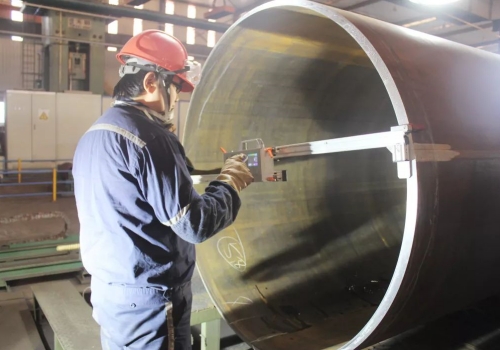
Our engineers test every batch of steel pipe before shipment. I always check the test reports myself. You need to know these four mechanical properties to keep your project safe.
· Yield strength: This is the stress point where the metal starts to bend permanently. Higher tensile grades always have higher yield limits.
· Elongation: This measures ductility. The standard requires 16% to 22% elongation in a 2-inch test piece. High elongation means the pipe bends instead of snapping.
· Impact toughness: We use a Charpy V-notch test to measure this. It shows how well the pipe absorbs sudden shocks in cold weather. If you ignore these parameters, your system might fail under dynamic loads. We suggest adding a 15% safety margin to your yield strength calculations. This simple step prevents unexpected deformation during pressure spikes.
Using premium grades for basic water lines wastes your budget. Using basic grades for gas lines risks lives. You must match the grade to the exact application. You should use Grade 60 for basic industrial water and steam lines. Grade 65 works best for chemical plants and natural gas pipelines. Grade 70 is mandatory for high-pressure oil transmission and demanding offshore platforms. I helped a client last month save 20% on their material budget. They originally requested D70 pipes for a low-pressure steam line. I showed them that a B60 grade handled the job perfectly. You can optimize your costs by matching the application correctly.
· Basic petrochemical plant piping
· Industrial water transmission
· Low-pressure steam systems
· Chemical plant processing lines
· Natural gas transmission pipelines
· Power generation feedwater lines
· High-pressure oil transmission
· Offshore oil production facilities
· Critical stress areas in power plants Grade D70 provides the highest strength and toughness. You must use this quenched and tempered grade for low-temperature environments. If you use a Grade B60 in a freezing offshore environment, the metal becomes brittle. You should always review your environmental operating temperatures before you finalize your purchase orders.
Procurement details often confuse buyers. Missing one specification delays your entire project. I will answer your most common purchasing questions clearly. Buyers frequently ask about testing, inspection, and ordering steps for these pipes. You must specify the grade, dimensions, and end preparations. You should always request material test reports before accepting any delivery.
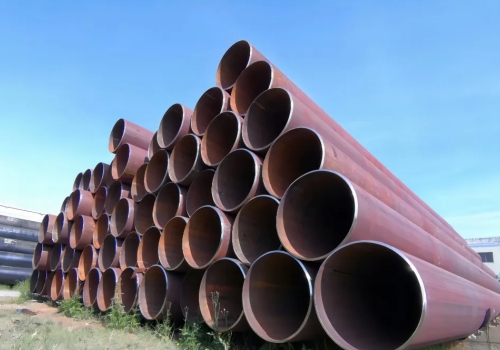
You want a smooth purchasing process. We deal with international buyers every day, and they usually ask the same valid questions. I compiled this list to help you speed up your next order.
Q: What information must I include in my purchase order?
A: You need to list the exact grade (like C70), outside diameter, wall thickness, total length, and end preparation (like beveled edges).
Q: How do I verify the pipe quality before paying?
A: You should request sample materials or Mill Test Certificates (MTC). We also welcome third-party inspectors like SGS or BV to our factory.
Q: Can I use this pipe for very low temperatures?
A: Yes, but you must choose the D grade series. The quenched and tempered process gives the steel the impact toughness needed for cold weather.
Q: How long does manufacturing take?
A: Standard production takes 30 to 45 days. Custom dimensions or special testing will add another two weeks to your lead time.
You now know how to select the correct grades. You can contact Centerway Steel today to get a fast quote on our premium astm a672 pipe for your next project.



 English
 Español