Pragmatism, Integrity, Passion

Pragmatism, Integrity, Passion

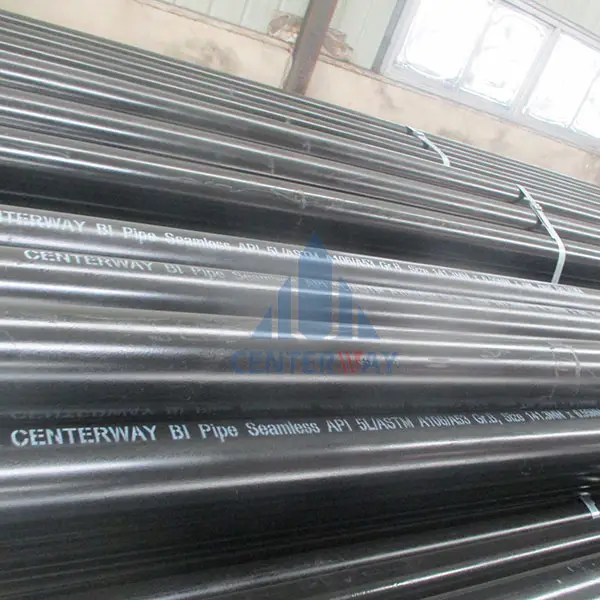
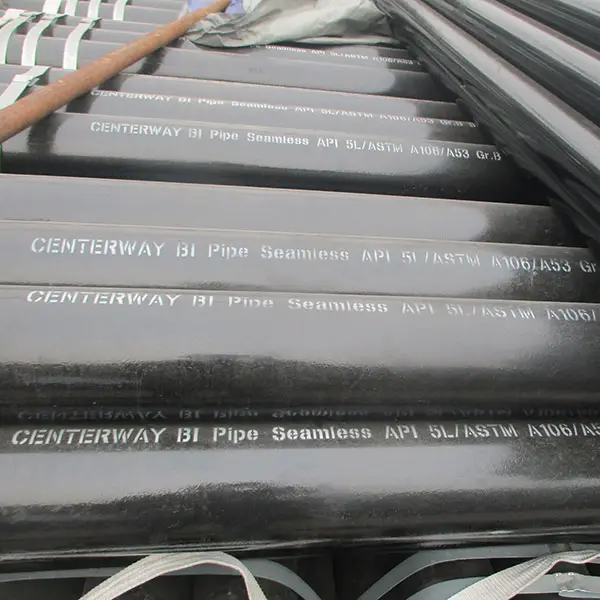
Struggle with high-pressure pipelines? Weak pipes fail and cost you money. An api 5l x70 pipe offers extreme strength and reliability for your toughest projects. An api 5l x70 pipe is a high-strength steel line pipe. The American Petroleum Institute defines this standard. It delivers a minimum yield strength of 70,000 psi. This makes it your best choice for safely moving oil and gas over long distances.
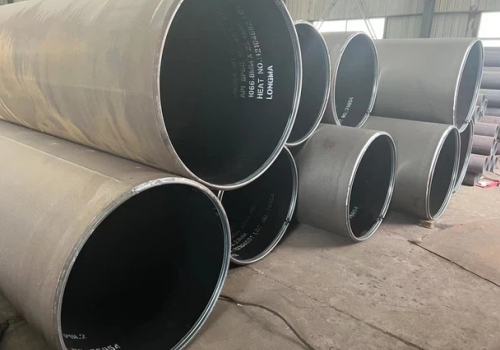
I want to show you why this specific pipe grade stands out. Keep reading to see how it can upgrade your next big project and save your budget.
Choosing the wrong steel mix causes pipeline cracks. You need materials that handle massive stress. We rely on the exact chemistry of X70 to stop these failures completely. The secret is a low-carbon mix with elements like niobium and vanadium. This recipe gives the pipe a 70,000 psi yield strength. It also provides incredible impact toughness, which keeps the pipe safe even in freezing weather.
We carefully control the chemistry to give the steel its power. We keep carbon levels low to make welding easy. We add manganese for strength. We also use micro-alloys like niobium to refine the grain structure of the steel.
| Element | Maximum Percentage | Purpose |
|---|---|---|
| Carbon (C) | 0.16% | Keeps the steel flexible and easy to weld |
| Manganese (Mn) | 1.90% | Boosts overall tensile strength |
| Niobium (Nb) | 0.08% | Improves toughness at low temperatures |
| Vanadium (V) | 0.08% | Hardens the steel structure |
Chemistry means nothing without physical strength. I always check these mechanical properties before I approve any batch for shipment. You need these exact numbers to guarantee pipeline safety.
· Tensile Strength: The steel requires 82,000 psi (565 MPa) to actually break.
· Impact Toughness: We use Charpy V-Notch tests. The steel absorbs massive shocks without cracking, even when temperatures drop below zero. This combination of strength and toughness means you can push higher volumes of gas safely. You do not have to worry about sudden pressure spikes.
Poor manufacturing ruins good steel. You waste time and money replacing bad pipes. I make sure our production process guarantees zero defects from start to finish. We use a controlled rolling process and precise heating to shape the pipe. This locks in the strength. Then, we run strict ultrasonic and X-ray tests. We catch every hidden flaw before the pipe ever leaves our factory.
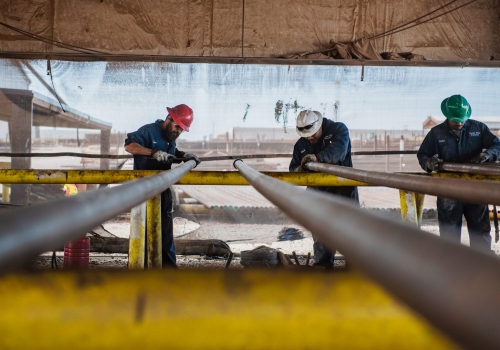
You need to know how we turn raw steel plates into high-pressure pipes. We do not just roll steel and weld it. We follow a strict science.
1. Controlled Rolling: We heat the steel and roll it flat. We control the temperature closely. This makes the internal structure of the steel very strong and uniform.
2. Forming And Welding: We bend the steel into a cylinder. We weld the seam using Submerged Arc Welding (SAW). This creates a bond that is just as strong as the rest of the pipe.
3. Heat Treatment: We heat and cool the welded pipe again. This removes any stress caused by the welding process.
I never trust a pipe based on looks alone. Invisible defects cause real-world explosions.
· Ultrasonic Testing: We send sound waves through the metal. The waves bounce back and show us any internal cracks.
· Hydrostatic Testing: We fill the pipe with water and pump up the pressure. We make sure it holds the pressure without leaking.
· Visual Inspection: My team checks every inch of the surface for scratches or dents.
Budget overruns destroy projects. Thicker, lower-grade pipes add heavy shipping costs. Upgrading to X70 actually saves you money on the total installation of your system. Using X70 allows you to choose a thinner wall pipe while keeping a high pressure rating. This cuts down your total steel weight. You lower your shipping costs and speed up your welding process directly on the job site.
I see many clients buy lower-grade pipes like X52 because the initial price looks cheaper. I always tell them to look at the total project cost. Let me show you a real comparison for a 100-mile pipeline.
| Feature | API 5L X52 | API 5L X70 |
|---|---|---|
| Yield Strength | 52,000 psi | 70,000 psi |
| Required Wall Thickness | Thicker (heavy) | Thinner (light) |
| Transportation Cost | High | Low |
| Welding Time | Slow | Fast |
Because X70 is stronger, you need less steel to hold the same pressure. Less steel means lighter trucks. Lighter trucks mean cheaper shipping.
I always tell you the truth. X70 has amazing benefits, but it has one main risk you must watch.
· Strict Handling: You cannot drop these pipes. Scratches on high-strength steel create weak points faster than on soft steel. We offer special sour-service X70 pipes to fix the cracking issue. You just need to tell us your exact gas composition.
Still have doubts about pipeline rules? Unanswered questions cause bad decisions. I put together the most common questions my clients ask to clear up your confusion today. Our clients always ask about temperature limits, welding rules, and coating choices. Knowing these details helps you plan your pipeline better. You avoid costly mistakes during the installation phase and keep your project running on a smooth schedule.
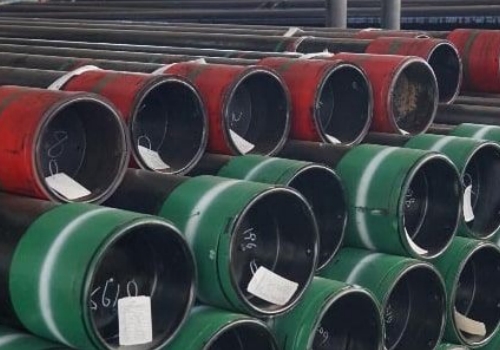
I talk to project managers every day. They ask great questions. I want to share my direct answers with you right now.
Q: Can X70 handle extreme cold weather?
A: Yes, absolutely. We test our X70 pipes down to -50 degrees Celsius. The micro-alloys keep the steel from turning brittle. You can use them safely in arctic environments.
Q: Do I need special equipment to weld this pipe?
A: You need standard pipeline welding equipment, but you must use matching high-strength welding rods. Your welders also need to pre-heat the pipe slightly to prevent moisture from ruining the weld.
Q: What type of coating protects this steel best?
A: I highly recommend Three-Layer Polyethylene (3LPE) coating or Fusion Bonded Epoxy (FBE). We apply these coatings at our factory. They block water and soil chemicals from eating away the steel.
Q: Can I use this pipe for drinking water?
A: You can, but you will waste your budget. We design this pipe specifically for oil and gas.
This api 5l x70 pipe delivers unmatched strength and saves you money on installation. Contact Centerway Steel today to get your quote and start building a safer pipeline.



 English
 Español