Pragmatism, Integrity, Passion

Pragmatism, Integrity, Passion

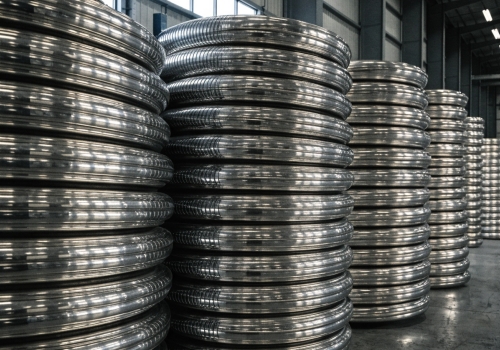
Do you struggle with high project costs? Bad pipes cause system failures and waste money. I will show you how the right choices solve these problems and save your budget. A heat exchanger tube is a special pipe component. It transfers thermal energy between two fluids without mixing them. We use these tubes in power plants, refineries, and HVAC systems. They control temperatures safely. You must pick the correct tube to stop costly machine downtime.
You might think all industrial pipes do the exact same job. However, you will soon see why specific designs matter. Read on to discover the important details.
Does poor thermal control ruin your system? Inefficient heat transfer slows down production. I will explain the core heat transfer mechanisms to help you avoid this issue. A heat exchanger tube transfers heat through its solid metal walls. The hot fluid gives heat to the cold fluid. This happens via conduction, convection, and sometimes radiation. The fluids never touch each other directly. This safe process keeps industrial systems running smoothly.
Heat moves straight through the solid wall of the heat exchanger tube. The metal must conduct heat very well. This direct transfer forms the base of the entire cooling or heating process.
Moving fluids carry the heat away. The fluid flows inside the tube or outside the tube. The speed of the fluid changes the heat transfer rate. Fast fluids usually move heat much faster than slow fluids.
High-temperature systems emit heat waves. We rarely see this in basic water cooling systems. We see this often in big industrial boilers. The hot gases radiate intense energy to the metal tubes. You must match the tube design to your specific heat transfer need. This matching saves energy and lowers your daily operation costs. Let us look at a quick breakdown of these methods.
| Mechanism | How It Works | Where It Happens |
|---|---|---|
| Conduction | Heat passes through solid metal | Tube wall |
| Convection | Moving fluid exchanges heat | Inside or outside tube surface |
| Radiation | Electromagnetic waves carry heat | High-temperature boilers |
Do you buy the wrong tube shape? The wrong shape causes blockages and wastes money. I will show you the exact tube types for your specific project needs. You can find several shapes of heat exchanger tubes. Smooth bore tubes handle clean fluids. Finned tubes increase the cooling area for gases. U-tubes manage metal expansion. Corrugated tubes create fluid turbulence. The right type depends entirely on your fluid, pressure, and daily maintenance needs.
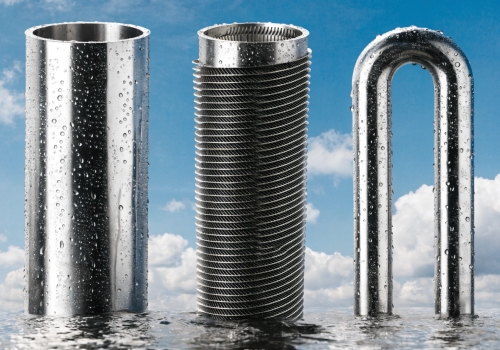
I remember a project where the buyer chose standard smooth tubes for a gas cooling system. The system failed quickly. You must pick the correct physical shape for your heat exchanger tube. Let us look at the most common types.
These tubes have plain, flat inner walls. Fluid flows easily without friction. You should use these for clean liquids. They are very easy to clean with standard tools.
These tubes have extra metal fins on the outside. The fins grab more air. You must use these when you cool liquids with air or gas. The fins make the cooling process much faster.
Hot metal expands. Cold metal shrinks. A U-tube bends in the middle. The bend lets the metal grow without breaking the machine. I recommend U-tubes for systems with big temperature changes.
These tubes have bumpy walls inside. The bumps shake the fluid. The shaking stops dirt from sticking to the wall. This shaking also speeds up the heat transfer. Here is a guide to help you choose the right shape.
| Tube Type | Best Feature | Ideal Use Case |
|---|---|---|
| Smooth Bore | Easy to clean | Clean water or oil systems |
| Finned | Large surface area | Air-cooled gas systems |
| U-Tube | Handles metal expansion | High-temperature shifts |
| Corrugated | Prevents dirt buildup | Compact and efficient systems |
Does rust destroy your pipes? Corrosion stops your machines and demands expensive replacements. I will guide you to the perfect materials that resist rust and last longer. We make a heat exchanger tube from many metals. Stainless steel offers great strength and hygiene. Copper provides excellent thermal speed. Titanium survives harsh seawater environments. Carbon steel handles high heat safely. You must match the metal to your fluid to prevent early tube failure. Many purchasing managers ask me about the best metal. There is no single perfect metal. The best material depends entirely on your project environment. A heat exchanger tube in a food plant needs a different metal than one in a dirty oil refinery.
We use a lot of 304L and 316L stainless steel. It fights common rust very well. You will find this in chemical and food plants. However, salty water can crack it over time.
I always suggest titanium for offshore marine projects. It survives salt water perfectly. It costs more money upfront. But it saves money over twenty years because it never rusts.
This metal costs less money. It handles extreme heat very well. We use it mostly in power plant boilers. You should not use it with fluids that cause fast rust. Let me share a quick material selection table. This table will help you buy the right metal.
| Material | Top Advantage | Main Weakness | Best Industry |
|---|---|---|---|
| Stainless Steel | High strength and clean | Chloride cracking | Food, Chemicals |
| Titanium | Beats seawater rust | High initial cost | Marine, Offshore |
| Carbon Steel | Cost-effective and strong | Low rust resistance | Power Plants |
Do you struggle to match equipment to your industry standards? Wrong choices lead to failed safety inspections. I will explain the main applications to ensure your project passes. We use the heat exchanger tube across many heavy industries. Power generation plants use them in boilers. Oil refineries use them in coolers. Marine platforms use them in desalination units. HVAC systems use them in large chillers. Every industry relies on them for safe thermal control.
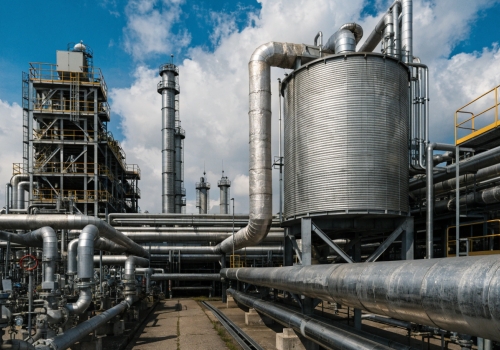
At Centerway Steel, we ship pipeline products to over 100 countries. I see these tubes used in almost every major construction and energy project. You must understand where these tubes go. This knowledge helps you design better systems for your clients.
Power plants boil water to make steam. The steam turns huge turbines. The heat exchanger tube controls this intense heat safely. It moves heat from the burning fuel to the water.
Refineries process thick, hot oil. The tubes cool the oil down. The tubes must handle very high pressures without bursting. They keep the entire oil refining process stable.
Ships and oil rigs need fresh water. They use these tubes to remove salt from seawater. They also use them to cool big ship engines. The sea environment demands very strong tubes.
Big buildings need cold air. Chillers use these tubes to remove heat from the building air. Good tubes lower the electricity bills for the building owner. Below is a summary of how different sectors use these critical components.
| Industry | Main Application | Key Requirement |
|---|---|---|
| Power Generation | Steam boilers and condensers | High temperature safety |
| Oil and Gas | Process coolers and heaters | High pressure handling |
| Marine | Desalination and engine cooling | Saltwater corrosion resistance |
| HVAC | Chillers and evaporators | High energy efficiency |
A heat exchanger tube manages thermal energy safely. You must choose the correct type, shape, and metal. Make smart choices to lower your project costs and improve system reliability.



 English
 Español