Pragmatism, Integrity, Passion

Pragmatism, Integrity, Passion

Are you confused by the terms used for industrial piping materials? Choosing the wrong pipe type can lead to costly leaks and project delays. I will help you understand the differences clearly. The main difference in black iron pipe vs black steel pipe lies in their composition and strength. Black steel pipe is made of un-galvanized carbon steel to strict ASTM standards for high pressure. Black iron pipe is typically malleable iron used for low-pressure residential gas lines and is not suitable for heavy industrial use.
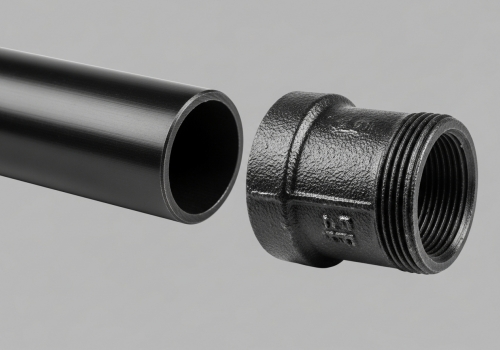
Many buyers believe these two products are interchangeable because they look similar, but they are very different. If you want to avoid future maintenance issues and safety hazards in your engineering projects, you must understand the details below.
Understanding how these pipes are made is the first step to making a smart purchasing decision. Black steel pipe is produced as seamless or welded carbon steel with a dark iron-oxide surface. Black iron pipe is made from malleable iron. This fundamental difference in the manufacturing process is the core of the black iron pipe vs black steel pipe comparison.
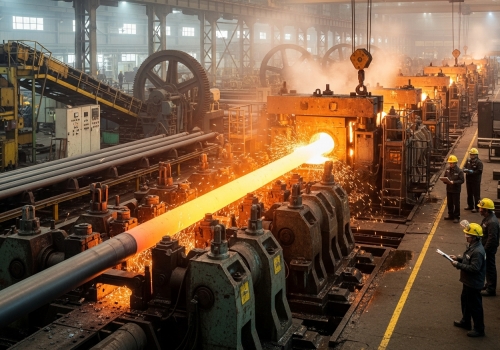
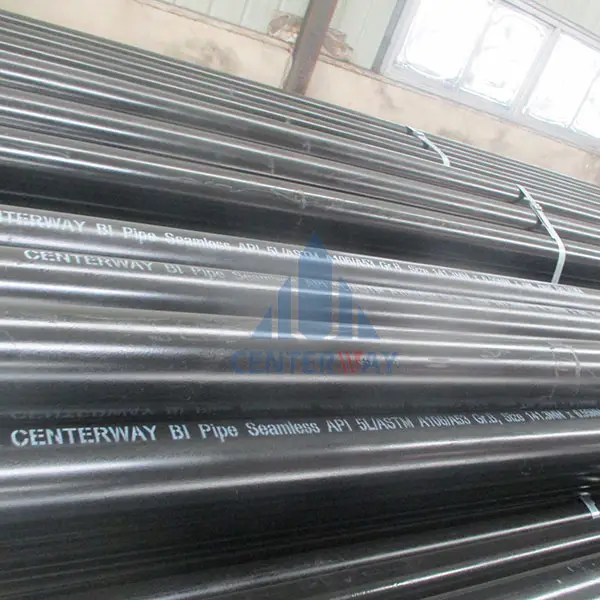
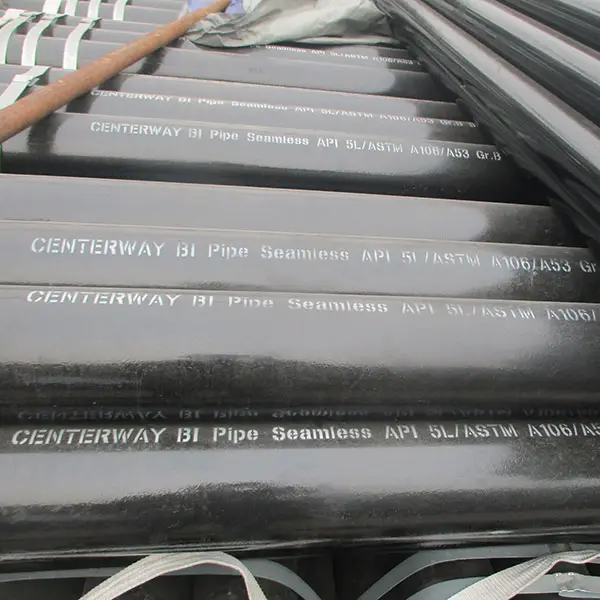
As a supplier with decades of experience at Centerway Steel, I often see purchasing managers struggle with these definitions. Let me break it down simply for you. Black steel pipe gets its name from the dark-colored iron oxide scale that forms on its surface during the manufacturing process. It is "un-galvanized," meaning it has no zinc coating. We produce these pipes strictly following standards like ASTM A53 or API 5L. They come in two main forms: seamless pipes (no seam) and welded pipes (ERW). On the other hand, what many people call "black iron pipe" is actually a form of mild steel or malleable iron. It is a softer material. It has a rough, grainy texture when you touch it. In the past, before the 1960s, this was very common in homes. Today, the term is often used loosely, but the material properties are not consistent compared to modern black steel. Here is a simple table to show the physical differences:
| Feature | Black Steel Pipe | Black Iron Pipe |
|---|---|---|
| Material | Carbon Steel (High Strength) | Malleable Iron / Mild Steel |
| Surface Texture | Smooth, delicate, cool to touch | Rough, grainy texture |
| Manufacturing | Seamless or Welded (High Tech) | Cast or Seamed |
| Standards | Strict (ASTM A53, ISO 9001) | Variable / Older Standards |
| Strength | High tensile strength | Lower strength, more malleable |
You need to know where each pipe fits best to ensure your project remains safe and compliant. Black steel pipes are the standard for fire sprinkler systems, high-pressure gas, and structural support. Black iron pipes are mostly used for low-pressure residential gas lines. This application split is critical when evaluating black iron pipe vs black steel pipe for your needs.
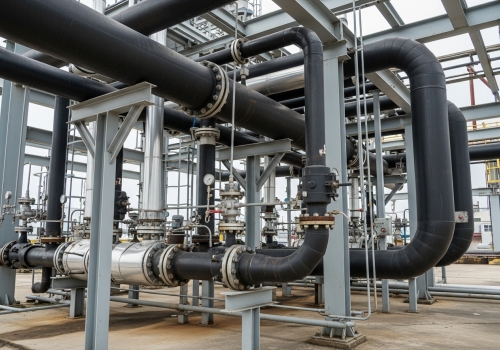
In my 18 years of experience working with construction projects, I have found that application is the deciding factor. Black steel pipe is the stronger choice. Because it can be welded, we use it for transporting gas and oil at high pressures. The welded joints are leak-proof and very durable. It is also heat resistant, which is why it is perfect for fire sprinkler systems. At Centerway Steel, we supply these to Fortune 500 oil and gas companies because they require that reliability. Black iron pipe has a major weakness: the connections. It is usually threaded, not welded. Over time, these threaded connections can leak. It is prone to corrosion. If you use black iron pipe for water lines, it will rust very quickly and fail. Therefore, we never recommend it for water transport. It is strictly for carrying natural gas or propane to your stove or heater in a residential setting. Cost is another factor you must consider. Initially, black steel pipe might cost about 20% more than black iron pipe. However, think about the long term. Black iron pipe requires more maintenance and repair due to leaks at the joints. Black steel pipe, with its superior strength and welded joints, saves you money on repairs and replacements. For a large EPC project, the "expensive" steel pipe is actually the cheaper option over five or ten years. Below is a breakdown of suitable applications:
| Application | Black Steel Pipe | Black Iron Pipe |
|---|---|---|
| Natural Gas (Industrial) | Highly Recommended | Not Recommended |
| Natural Gas (Home) | Suitable | Common Use |
| Fire Sprinklers | Standard Choice | Not Suitable |
| Water Transport | Not Recommended (Corrodes) | Never Use (Rusts Fast) |
| Connection Method | Welding (Strong) | Threading (Leak prone) |
Black steel pipe is the superior, modern choice for industrial and high-pressure applications, while black iron pipe is limited to residential gas lines. At Centerway Steel, we ensure you receive high-quality steel pipes that meet all international safety standards.



 English
 Español