Pragmatism, Integrity, Passion

Pragmatism, Integrity, Passion

Are you confused about which pipe material fits your next EPC project? Making the wrong choice leads to corrosion, leaks, and expensive project delays. Here is the definitive guide to using black steel pipes correctly. The short answer to "can you use black steel pipe for water" is yes, but with strict limits. It is standard for closed-loop fire sprinkler systems and hot water heating. However, you must never use it for potable drinking water because it corrodes quickly and contaminates the supply.
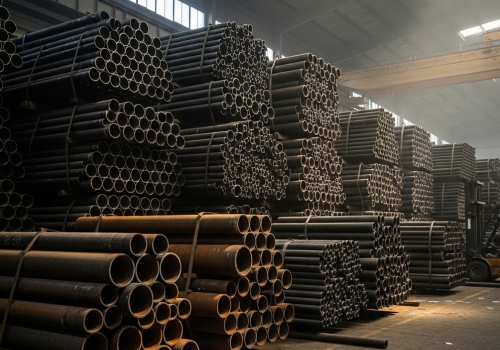
Many clients ask me if black steel is a cheap alternative for water lines. The answer is not simple. It depends entirely on the type of water and the system design. Let’s look at the details below.
Many buyers see the dark color but do not know what it actually is. This lack of knowledge can lead to ordering the wrong specification for your site. Black steel pipe is made of mild steel and gets its dark color from iron oxide formed during manufacturing. Unlike galvanized pipe, it has no zinc coating. This makes it cheaper but less resistant to rust.
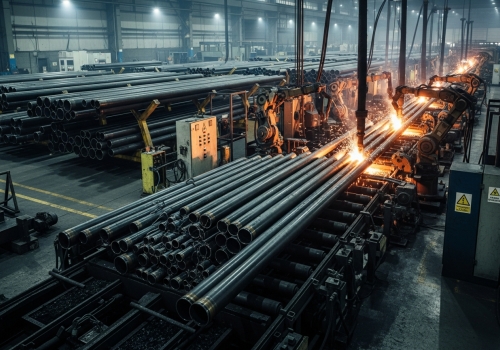
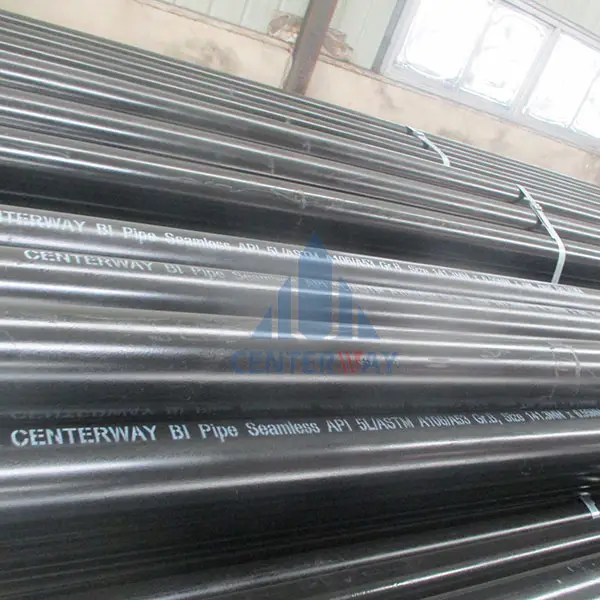
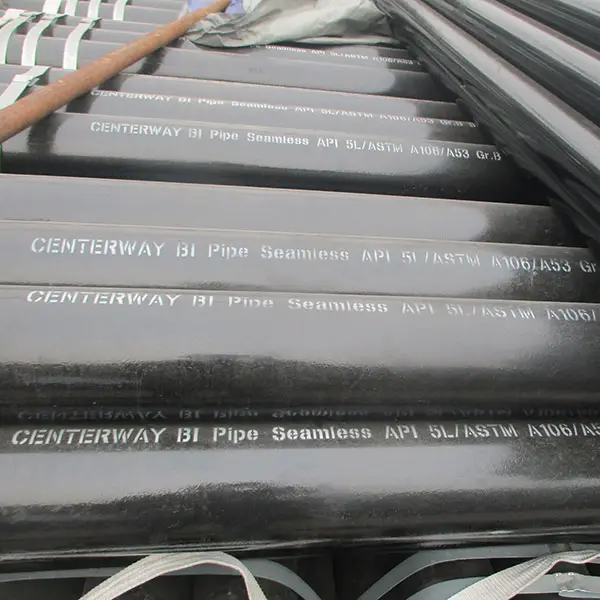
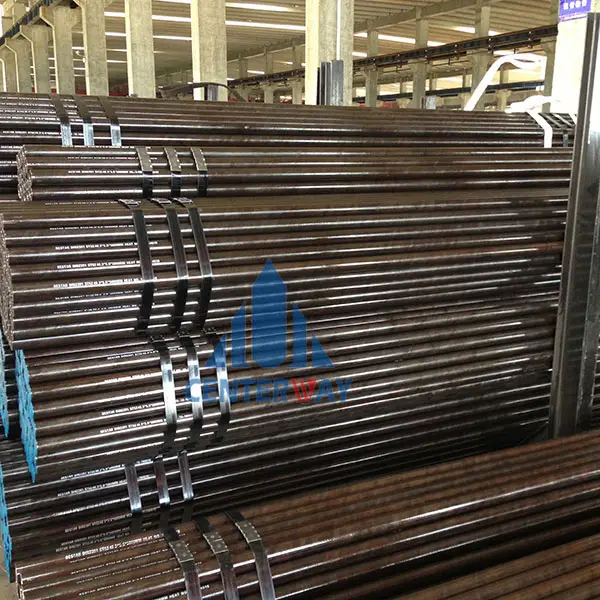
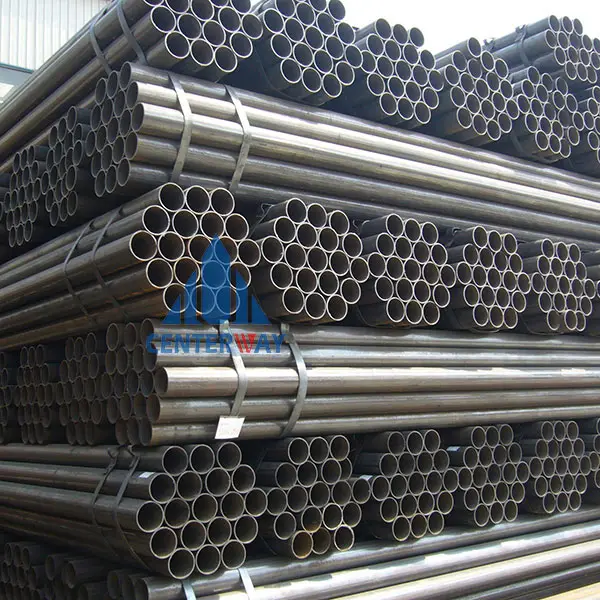
To understand if can you use black steel pipe for water effectively, you must first understand its structure. Black steel is essentially mild steel. During the manufacturing process, the surface forms a layer of dark iron oxide. This is not a paint; it is a natural result of heat. This thin layer provides very mild protection against corrosion, but it is not a heavy shield. At Centerway Steel, we produce both seamless and SSAW (Spiral Submerged Arc Welding) black steel pipes. For our EPC clients in the oil and gas sector, this material is the standard. It is strong, easy to weld, and very durable under pressure. Because it does not have a zinc coating like galvanized pipe, it is much more affordable. This cost difference is why project managers always want to use it. However, the lack of zinc is the main issue for water. Without zinc, the iron is exposed. When iron meets oxygen and water, rust forms. Below is a quick comparison of the structural differences:
| Feature | Black Steel Pipe | Galvanized Steel Pipe |
|---|---|---|
| Coating | Dark Iron Oxide | Zinc Layer |
| Corrosion Resistance | Low | High |
| Primary Use | Gas, Oil, Steam | Water, Outdoor Structures |
| Cost | Lower | Higher |
| Maintenance | High (if exposed) | Low |
In my 28 years of experience since 1996, I have seen many projects fail because designers ignored these basic chemical properties.
You might want to save budget on plumbing materials. But using the wrong pipe for drinking water can destroy your building's safety rating. Can you use black steel pipe for water that people will drink? The answer is a strict no. The pipe will rust, crumble, and fill the water with dangerous iron particles and bacteria.
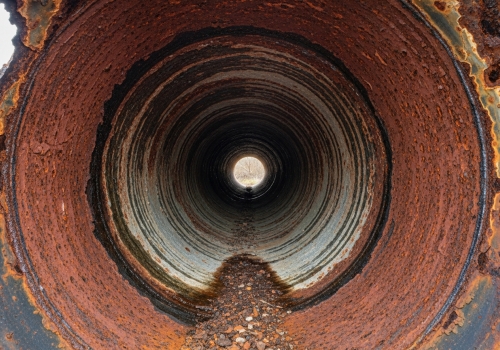
When we talk about potable water (drinking water), we are talking about an "open system." Fresh water brings in fresh oxygen constantly. This is the worst environment for black steel. The mineral content in tap water reacts with the steel wall. The pipe begins to oxidize from the inside out. First, you will notice the water turning brown or yellow. This looks bad and tastes metallic. But the real problem is structural. As the rust builds up, the inside diameter of the pipe gets smaller. This reduces water pressure. Eventually, the pipe wall becomes thin and leaks appear. For my clients in Germany and globally, I always advise against this. Even if you coat the outside, the inside remains vulnerable. Standards like ISO and ASTM generally prohibit black steel for potable water for this reason. However, there is a risk to health too. Rough, rusty surfaces inside a pipe are perfect hiding spots for bacteria. Cleaning a rusty pipe is impossible. So, while the pipe itself is strong, it ruins the quality of the water it carries. If you need to transport drinking water, we always recommend our galvanized or stainless steel options instead.
You might think black steel is useless for water based on the last section. That is wrong; it is actually the industry standard for specific non-drinking water systems. Black steel pipes are the top choice for fire sprinkler systems and HVAC loops. In these specific cases, the water does not bring in new oxygen, so the rust risk is very low.
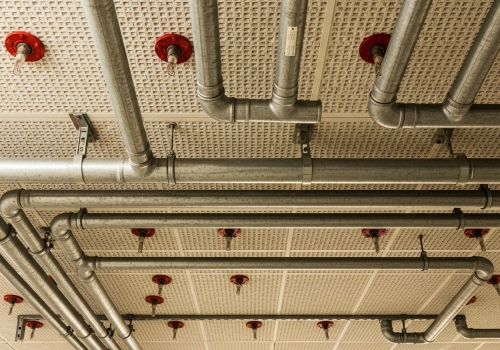
1. Steam Lines: Black steel handles high pressure and high heat perfectly.
2. Chilled Water Lines: If the insulation is good, it carries cold water efficiently in large AC systems.
3. Process Water: In oil refineries, non-potable water used for cooling machinery often runs through thick-wall black steel pipes because they are tough against physical damage.
If you cannot use black steel, you need a plan B. Knowing the right alternative saves you time during the procurement process. For potable water, you should choose galvanized steel, copper, or plastic options. These materials resist the corrosive effects of fresh, oxygenated water.
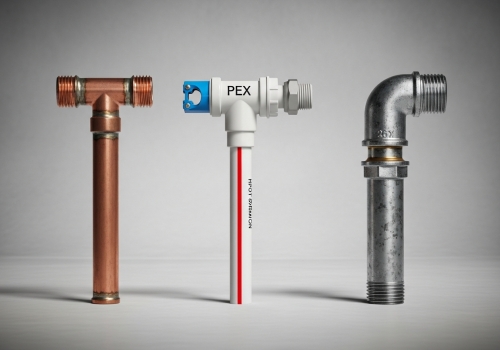
As a purchasing manager, you need to balance cost against lifespan. If you are building a residential project or a system for drinking water, black steel is off the table. Here is how the alternatives stack up against the products we manufacture at Centerway Steel. Galvanized Steel: This is essentially black steel with a hot-dipped zinc coating. It is our most common alternative. The zinc sacrifices itself to stop the steel from rusting. It lasts 40 to 50 years in standard conditions. It threads and installs just like black pipe, so your workers do not need new tools. Copper: This is the gold standard for small-diameter plumbing. It lasts forever and resists heat. However, it is very expensive and harder to install in large industrial sizes. Plastics (PVC/PEX): These are cheap and never rust. But, they are weak. They cannot handle high pressure or high heat. In an industrial setting like a power plant or refinery, plastic is often too fragile. To help you decide, I have created this decision matrix:
| Requirement | Black Steel | Galvanized Steel | Copper | PVC/PEX |
|---|---|---|---|---|
| Drinking Water? | NO | YES | YES | YES |
| Fire Sprinklers? | EXCELLENT | GOOD | RARE | RARE |
| High Heat? | EXCELLENT | GOOD | GOOD | POOR |
| High Pressure? | EXCELLENT | GOOD | MEDIUM | MEDIUM |
| Cost Efficiency | BEST | MEDIUM | LOW | GOOD |
At Centerway, we can provide protective coatings for black steel, such as 3LPE (3-Layer Polyethylene) or FBE (Fusion Bonded Epoxy). This allows you to use the strength of black steel while protecting it from corrosion, bridging the gap between these materials.
To summarize, can you use black steel pipe for water? Yes, for closed fire and heating systems, but never for drinking water. Choose the right material to ensure safety and longevity.



 English
 Español