Pragmatism, Integrity, Passion

Pragmatism, Integrity, Passion

You face a major risk when you buy pipeline materials for low temperature systems. Low quality welds crack under extreme stress, and this issue destroys your budget and timeline completely.
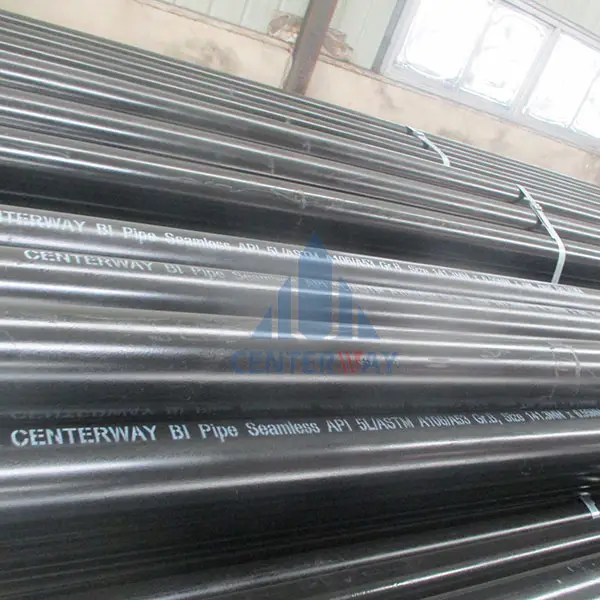
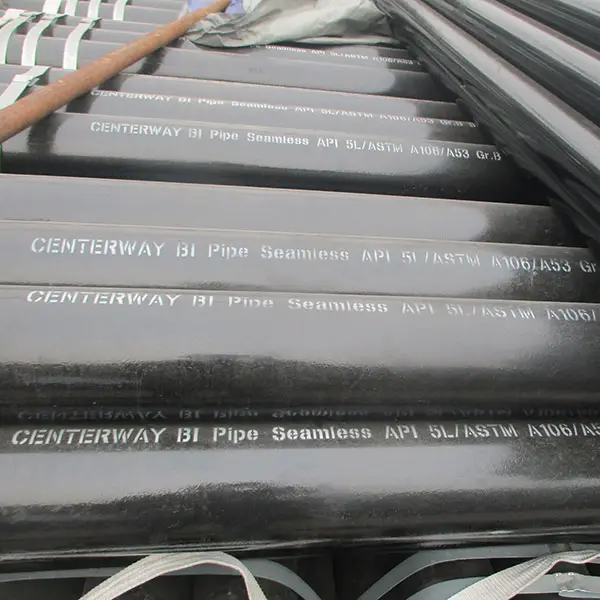
An ASTM A671 EFW pipe is an electric fusion welded steel pipe made from carbon steel plates. This specific pipe operates safely in atmospheric and lower temperatures across critical energy and construction industries.
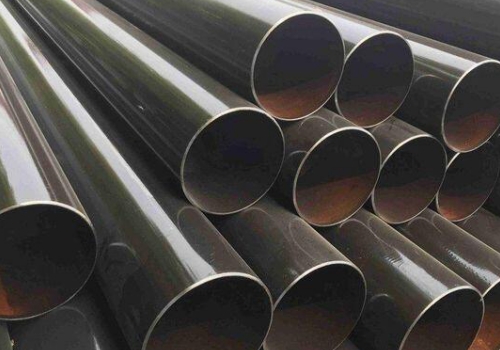
I know how hard it is to find a single supplier who handles all your pipeline needs. Let me share my experience with this material so you can make the right choice.
You can easily get confused by the many different grades and classes during the procurement process. Choosing the wrong specification leads to project failure, high replacement costs, and dangerous structural leaks.
The standard contains key grades like CC60, CC65, and CC70, which match different carbon steel plates. It also features classes from Class 10 to Class 22 based on post-weld heat treatment and testing.
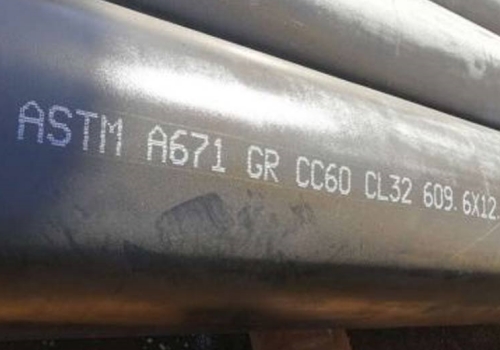
I always tell my engineering partners to look at the plate base first. The grade tells you exactly what kind of steel plate the factory used to make the pipe. For example, Grade CC60 uses ASTM A516 Grade 60 plates. Grade CC65 uses ASTM A516 Grade 65 plates. Grade CC70 uses ASTM A516 Grade 70 plates. Higher numbers mean the pipe has higher tensile strength.
The class designation tells you what happened to the pipe after the welding process. This part is critical for low temperature performance. Class 10 requires no heat treatment at all. Class 11 means the factory stress-relieved the pipe. Class 12 means they normalized the pipe. Class 22 means the team performed a full radiographic inspection on the weld seam. I compiled this clean table to help you compare them easily.
| ASTM A671 Grade | Plate Equivalent | Common Class | Heat Treatment Requirement |
|---|---|---|---|
| CC60 | ASTM A516 Grade 60 | Class 22 | Radiographically Inspected Weld |
| CC65 | ASTM A516 Grade 65 | Class 12 | Normalized After Welding |
| CC70 | ASTM A516 Grade 70 | Class 11 | Stress-Relieved After Welding |
If your supplier skips vital non-destructive testing, your pipeline will fail under pressure. Hidden defects inside the weld seam can cause catastrophic ruptures during high pressure steam transport or fluid distribution.
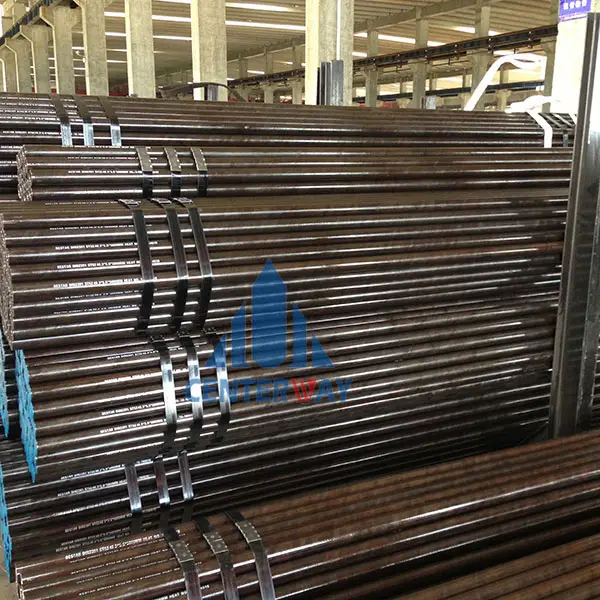
Factories manufacture an ASTM A671 EFW pipe by forming high quality steel plates into cylinders and welding them using electric fusion. Technicians then perform mandatory tension, hydrostatic, and non-destructive tests.
I have visited many manufacturing plants to inspect this process. The production team starts with heavy carbon steel plates. They use large machines to roll these plates into perfect cylindrical shapes. Next, the electric fusion welding machine creates a strong seam without adding manual filler material in a careless way. The automated system controls the heat and speed perfectly to keep the weld uniform.
We never skip testing because safety is our top priority. The factory performs standard tension tests to check the yield strength and elongation. They also do hydrostatic tests to prove the pipe does not leak under internal pressure. For critical projects, we run non-destructive testing like ultrasonic or radiographic checks to find hidden flaws. I always look at the supplementary requirements like the Charpy V-Notch impact test to ensure the steel stays tough in freezing environments.
| Test Type | Standard Requirement | Purpose of the Test |
|---|---|---|
| Tension Test | ASTM A671 Standard | Measures yield strength and ductility |
| Hydrostatic Test | Mandatory for All Pipes | Verifies pressure containment without leaks |
| Radiographic (NDT) | Required for Class 22 | Inspects the internal weld seam for flaws |
| Charpy V-Notch | Supplementary (S2) | Checks low temperature impact toughness |
Using the wrong pipe grade in a high pressure petrochemical plant causes immediate disaster. Standard pipes become brittle and crack when temperatures drop, which stops your operation and costs millions of dollars.
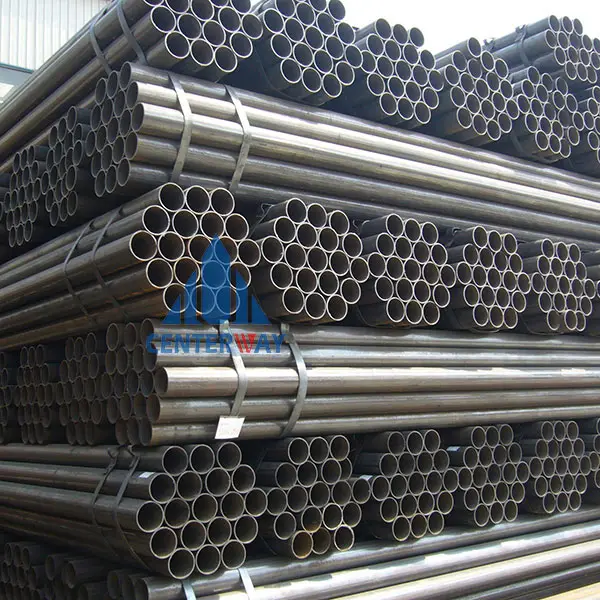
The ASTM A671 EFW pipe is ideal for power generation plants, petrochemical facilities, oil and gas transport, and urban pipeline construction. It works best in heavy thickness and large diameter systems.
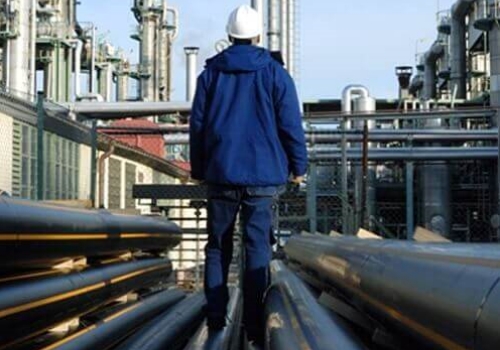
I have supplied thousands of tons of these pipes to major oil and gas companies globally. They use them in downstream refinery networks and cross-country transportation pipelines. The large diameter options allow these companies to move huge volumes of fluids efficiently. Because the pipe resists low temperatures, it performs flawlessly in cold climates and deep underground installations.
Power generation plants require reliable materials for high pressure steam lines. The heavy wall thickness of our electric fusion welded pipes handles the extreme thermal stress easily. We also provide these products for urban building construction and water network piping. My clients choose this material because it combines the strength of structural steel with the precision of modern automated welding.
| Industry Sector | Typical Application | Key Benefit of A671 Pipe |
|---|---|---|
| Petrochemical | Chemical fluid transport | Excellent low temperature resistance |
| Power Generation | High pressure steam lines | Heavy wall thickness handles thermal stress |
| Oil & Gas | Refinery distribution systems | Large diameter options maximize fluid flow |
| Construction | Coastal and port infrastructure | High structural strength and precision |
The ASTM A671 EFW pipe offers excellent strength and reliability for low temperature industrial applications. Centerway Steel provides high quality, fully tested pipeline solutions for your global projects.



 English
 Español