Pragmatism, Integrity, Passion

Pragmatism, Integrity, Passion

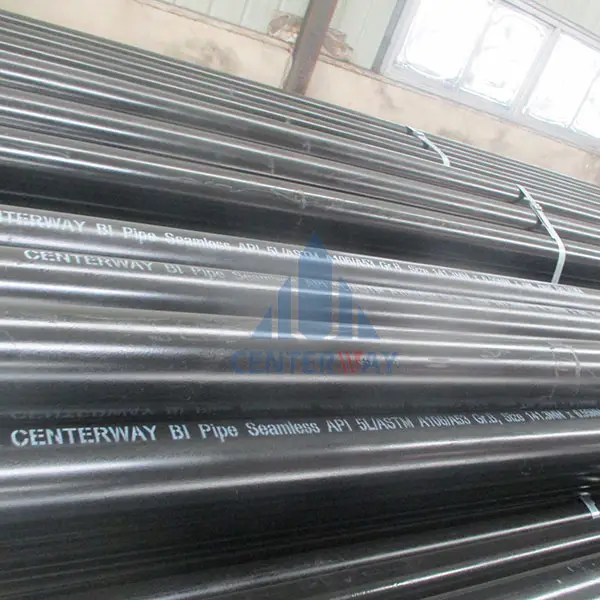
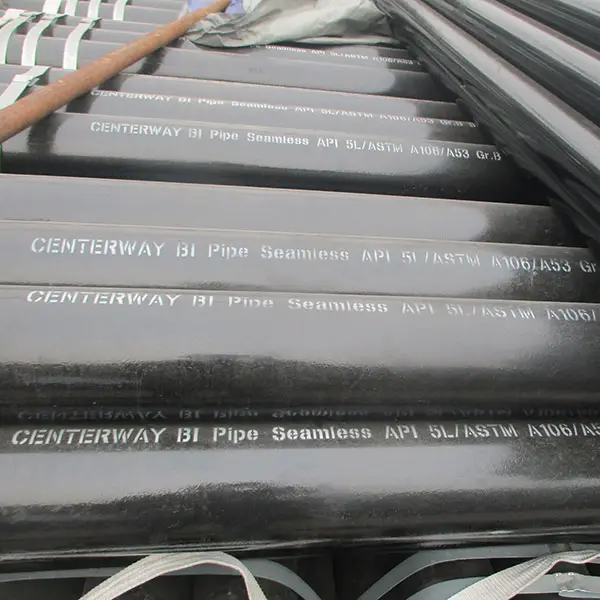
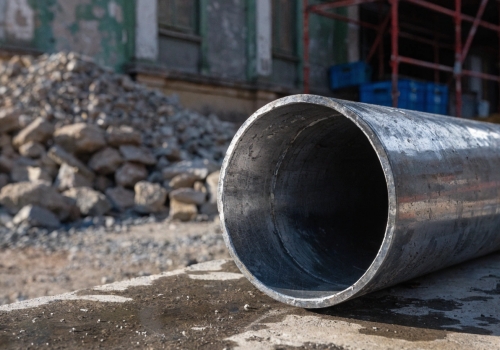
You look at the project blueprint. You see "SCH 40" written on every page. You feel unsure about what this specific specification means for your budget and safety. Schedule 40 steel pipe is the most common pipe grade used in construction and plumbing. It refers to a specific wall thickness defined by ASME standards, not just a diameter. It balances structural strength with cost-effectiveness. It is usually made from Grade A53 carbon steel.
I have seen many project managers struggle with these numbers. They buy the wrong pipes. They waste money on returns. I do not want you to make those mistakes.
You see numbers like 40, 80, and 160 on a quote. You worry that picking the wrong number will lead to a burst pipe. This fear is valid. The schedule number indicates the thickness of the pipe wall. It is non-dimensional. A higher number means a thicker wall. Schedule 40 is the standard wall thickness found in most general industries.
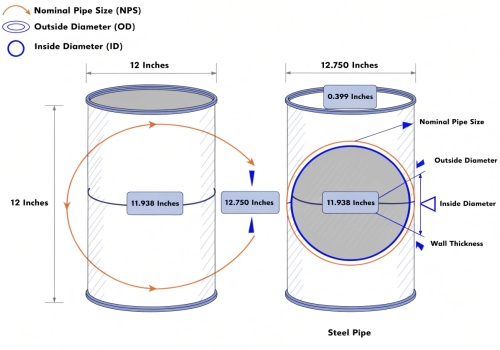
I have worked in the steel industry since 1996. In the old days, we only had three sizes. We had standard, extra strong, and double extra strong. This was not precise enough. Engineers needed more options. So, the industry created 14 different schedules. The most popular one is schedule 40 steel pipe. You need to understand the relationship between diameter and thickness. The outside diameter of a pipe stays the same for all schedules. A 4-inch pipe always measures 4.5 inches on the outside. This allows it to fit standard supports and fittings. The difference happens on the inside. As the schedule number goes up, the wall gets thicker. This reduces the inside space. The material takes up more room. I explain this to my clients often. You order by the Nominal Pipe Size (NPS). But you must check the schedule to know the true flow capacity. Schedule 40 offers a great balance. It gives you enough wall thickness for strength. It also keeps the inside wide enough for good flow. This is why we ship so much of it to our partners in over 100 countries.
You need precise measurements for your fabrication team. You fear the pipes will not align with your valves. This causes expensive delays on the job site. Schedule 40 steel pipe follows strict dimensions set by ASME B36.10M. It is typically made from mild steel with low carbon content. This makes it easy to cut, weld, and thread.
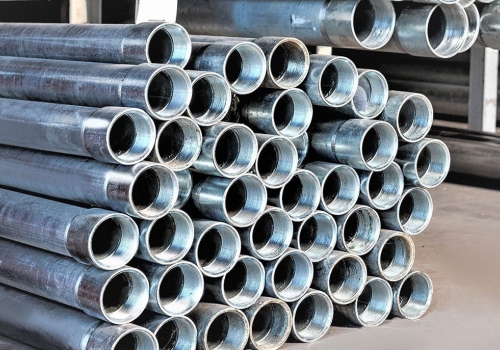
I want to share the technical details with you. Most schedule 40 pipe is Grade A53. This grade is very common. The steel has about 0.2% to 0.25% carbon content. This is low. It makes the pipe strong but not brittle. It is mostly iron. Iron rusts. We know this is a problem. Many customers ask me about corrosion. We often galvanize these pipes. We dip them in a layer of zinc. This protects the steel from rust. If you do not need zinc, you can buy "black steel" pipe. You should know the weight and size data. I use these numbers daily to calculate shipping costs for clients. Here is a simplified table for common sizes:
| Nominal Size (Inches) | Outside Diameter (Inches) | Wall Thickness (Inches) | Weight Per Foot (Lbs) |
|---|---|---|---|
| 1 | 1.315 | 0.133 | 1.68 |
| 2 | 2.375 | 0.154 | 3.65 |
| 4 | 4.500 | 0.237 | 10.79 |
| 6 | 6.625 | 0.280 | 18.97 |
You have a high-pressure application. You wonder if the standard pipe is strong enough. A failure here could ruin your reputation and safety record. The main difference is the wall thickness. Schedule 80 is thicker and heavier than schedule 40 steel pipe. Schedule 80 handles higher pressure. Schedule 40 is lighter and costs less.
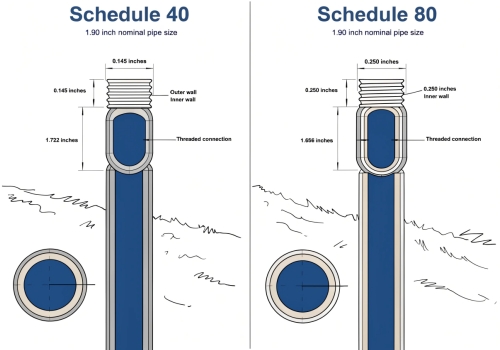
I see people confuse these two often. They look the same on the outside. Remember, the outside diameter is identical. The inside is where the change happens. Schedule 80 has a smaller hole because the walls are thicker. You might think thicker is always better. That is not true. Thicker pipe costs more. It is harder to install because it is heavier. It restricts flow. You only need Schedule 80 if the pressure demands it. There is a math formula to help you. I use this to double-check orders. The formula is: SCH = (1,000) * (P/S)
· S is the material stress limit. Let us look at a real example. Imagine your system has a working pressure of 450 psi. The S value for the steel is 12,000. The math looks like this: (1,000) * (450 / 12,000) = 37.5 The number 37.5 is very close to 40. This means Schedule 40 is the right choice. It is safe. If the number was 60, you would need Schedule 80. We supply both types at Centerway Steel. We advise our EPC customers to check these numbers. Do not pay for extra steel you do not need. But do not compromise on safety either.
You want to use this pipe for a major gas line project. You are unsure if it meets the industry codes. Using the wrong material is dangerous and illegal. This pipe is incredibly versatile. It is the top choice for water lines, gas lines, and architectural support. It works well in environments without extreme pressure. I have supplied this product to Fortune 500 companies like CNPC and Shell. They use it everywhere. It is the workhorse of the piping world. Here are the main areas where we see it used:
1. Oil and Gas Transport: It moves oil and gas in standard pressure lines.
2. Construction: We sell it for structural columns, handrails, and scaffolding. It is strong enough to hold weight.
3. Water Systems: It is standard for commercial water lines.
4. DIY Projects: People make furniture and shelves out of it. It looks industrial and cool. You must consider the yield strength. Standard A53 Grade B pipe has a yield strength of about 30,000 psi. Imagine a 1-inch pipe that is 4 feet long. It can hold about 300 lbs in the middle before it bends permanently. If you add more weight, it fails. Centerway Steel provides one-stop service for these industries. We do not just sell the pipe. We sell the fittings and valves too. We make sure everything fits together. We share our "China-made" quality with the world. Whether you are building an airport or a refinery, this pipe is likely on your list.
Schedule 40 steel pipe is the industry standard for a reason. It offers the perfect mix of strength, flow capacity, and price. It fits most water, gas, and structural needs. At Centerway Steel, we ensure you get the right schedule for your project.



 English
 Español